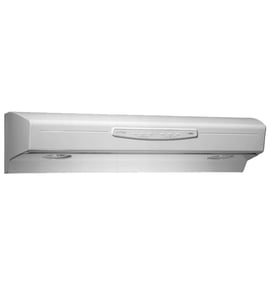




How to clean Kenmore kitchen hood vent?
For Kenmore range hood model 2335108012, we clean the hood vent by cutting power, removing the grease filter, degreasing it in hot soapy water, then wiping the hood interior and vent cover. Let everything dry fully before reinstalling and restoring power.
- Turn off the hood and switch off power at the breaker.
- Remove the grease filter(s); set any latches aside carefully.
- Soak the filter 15 to 30 minutes in hot water plus dish soap (add baking soda for heavy grease).
- Scrub gently with a soft brush; rinse with hot water.
- Wipe the hood underside, fan area you can reach, and the vent cover with a degreaser or warm soapy water.
- Dry completely, reinstall the filter, then restore power and test the fan.
- Avoid abrasive pads or oven cleaner on painted or stainless surfaces.
- Avoid spraying cleaner directly into switches or wiring.
- Avoid running the fan with wet filters; it can pull moisture into the blower area.
| Task | Typical frequency | Why |
|---|---|---|
| Wash grease filters | Every 2 to 6 weeks | Keeps airflow strong and reduces odors |
| Wipe hood underside | Weekly | Prevents sticky buildup |
| Clean vent cover and surrounding cabinet area | Monthly | Helps prevent drips and discoloration |
| Deep clean blower area (reachable surfaces) | Every 3 to 6 months | Reduces noise and improves performance |
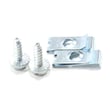
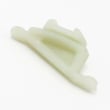
A bent filter frame or a worn latch can keep the filter from locking back in place. If the latch is damaged, replace the range hood filter latch S99420472.
A clean vent system helps your Kenmore hood move air efficiently, keeps the fan quieter, and reduces grease buildup that can shorten the life of parts like the fan motor and switch.
Last updated: February 2026
How to find range hood model number?
For Kenmore range hood model 2335108012, the model number is printed on a rating label attached to the hood. On most range hoods, we find it on the top of the hood, on the underside near the front edge, or behind the grease filter.
Check these common label locations (use a flashlight):
- Top of the hood (often near the duct connection)
- Underside of the hood (near the light lens or fan switch area)
- Behind the grease filter (remove the filter and look on the inner frame)
- Inside the wiring cover area (after turning power off at the breaker)
- Side wall inside the hood canopy (near mounting brackets)
- Turn the hood off; if you need to reach inside, switch power off at the breaker.
- Remove the grease filter (most drop out after releasing the latch).
- Look for a sticker or metal plate that lists MODEL and sometimes SERIAL.
- Write the model number exactly as shown (letters and numbers).
| What you see on the label | What it means | Why you need it |
|---|---|---|
| Model (example: 2335108012) | Exact hood model | Ensures correct parts fit |
| Serial | Production code | Helps match revisions |
| Electrical ratings | Volts/amps | Helps with safe troubleshooting |
We use the exact model number to match the correct Kenmore parts and diagrams, especially for items that vary by revision like the fan switch, motor, and light lens.
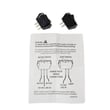
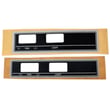
If your label is damaged or missing, the next best step is to match parts by what is installed, such as the switch S97016970 or the range hood light lens S99110437.
Last updated: February 2026
What is the life expectancy of a range hood?
Most range hoods, including the Kenmore 2335108012, last 10 to 20 years; 15 years is a solid typical expectation. Lifespan depends most on how often you cook, how well you keep grease out of the blower and wiring, and whether the fan motor and switches stay protected from heat and buildup.
These are the parts and areas that most often limit range hood life:
- Grease filters and latches that stop holding securely
- Fan switch contacts that wear or overheat
- Fan motor bearings (noise, slow start, or no start)
- Light lens and light area damage from heat and grease
- Vent damper and cover issues that restrict airflow
If you are already seeing symptoms, our troubleshooting steps in range hood fan doesn't work can help you pinpoint whether the issue is airflow, power, or a failing motor.
A little routine care keeps the blower wheel, motor, and wiring cooler and cleaner:
- Clean or replace the grease filter on a regular schedule (more often with frying)
- Wipe the underside and fan intake area to prevent grease from migrating into the motor
- Run the fan a few minutes after cooking to clear heat and moisture
- Keep the vent path clear (damper opens freely, no crushed ducting)
- Replace worn controls early so arcing does not damage wiring
| What you notice | Most likely cause | Typical fix direction |
|---|---|---|
| Fan is loud or rattling | Worn motor or damaged blade | Inspect/replace motor S97011222 or check the fan blade |
| Fan does not run on any speed | Failed switch or motor | Test/replace switch S97016970 first, then motor |
| Weak airflow | Grease buildup or vent restriction | Clean filter, check damper/duct, then inspect blower |
| Lights work but fan does not | Switch or motor circuit issue | Focus on switch, wiring, and motor |
A range hood that is kept clean and moving air properly runs cooler and draws less strain through the switch and motor. That directly improves reliability and helps you reach the longer end of the 10 to 20 year lifespan.
Last updated: February 2026
Why is the fan not working on my Kenmore range hood?
If the fan is not working on your Kenmore range hood model 2335108012, the most common causes are a failed fan switch, a loose or damaged wire connection to the blower motor, or a bad fan motor. Start with power and switch checks, then inspect the wiring and motor.
- Confirm the hood has power (try the light; check the kitchen breaker if both light and fan are dead).
- If the light works but the fan does not, the problem is usually the fan switch or the fan motor.
- Turn the fan knob or press the fan button through all speeds; a worn contact can fail on one speed first.
- Unplug the hood or switch off the breaker before opening any covers.
- Remove the filter and check for heavy grease buildup or an obstruction rubbing the blower wheel.
Here is what typically fails and what you will notice:
| What you notice | Most likely cause | What to check next |
|---|---|---|
| Fan does nothing on all speeds, light still works | Fan switch | Test/replace the switch S97016970 |
| Fan hums but will not spin, or spins slowly | Motor or stuck blower wheel | Check wheel for binding; consider the motor S97011222 |
| Fan runs but airflow is weak | Grease blockage or damper issue | Clean filters/duct; inspect the range hood vent damper cover S98005221 |
- Kill power at the breaker.
- Access the switch area and look for loose spade terminals or heat discoloration.
- Inspect the blower wheel for grease, wobble, or rubbing.
- Check the motor wiring for broken connectors; the range hood blower motor wire harness S97005678 is a common fix when wiring is damaged.
- If wiring is solid and the wheel spins freely by hand, the motor or switch is the next likely failure.
A non-working range hood fan reduces smoke and odor removal and can let grease and moisture build up faster in the hood and ducting. Fixing the switch, motor, or airflow restriction restores ventilation performance and helps prevent repeat failures.
If you want a step-by-step diagnostic path, use range hood fan doesn't work.
Last updated: February 2026
What are the parts of a range hood called?
On Kenmore range hood model 2335108012, the main parts are commonly called the hood canopy (housing), grease filter system, blower and motor, fan blade, venting pieces (damper and vent cover), lights (lens and socket), and the control switches. These are the names you will see in parts lists.
- Hood canopy (hood body): the metal shell that mounts under the cabinet
- Grease filter and latch: traps grease; latch holds the filter in place
- Blower and motor: moves air through the hood
- Fan blade: spins to pull air through the blower
- Controls (switches): turn fan speeds and lights on and off
- Light lens: covers and diffuses the bulb
- Damper and vent cover: directs airflow and helps reduce backdrafts
| Part listing name | What it affects | Example part you may see |
|---|---|---|
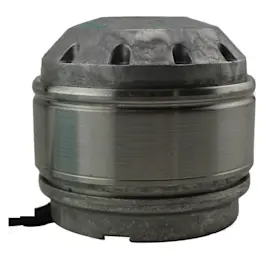
| Motor | Fan won’t run, weak airflow | Motor S97011222 |
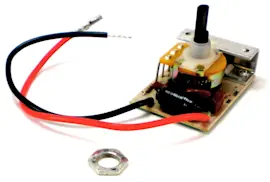
| Switch | Fan or lights not responding | Switch S97016970 |
| Range Hood Filter Latch | Filter won’t stay secured | Range hood filter latch S99420472 |
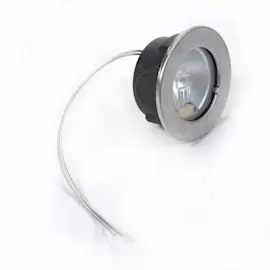
| Range Hood Light Lens | Light cover cracked or missing | Range hood light lens S99110437 |
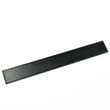
| Range Hood Vent Damper Cover | Backdraft, poor venting | Range hood vent damper cover S98005221 |
Parts diagrams group items by function (blower, lighting, controls, venting). Using the correct part name helps you match the right component and avoid ordering a similar-looking bracket, clip, or cover that will not fit.
- If the fan is dead or weak, start with the motor, blade, and venting path
- If lights work but the fan does not, focus on the fan switch and motor
- If the filter falls out, check the filter latch and retainer clips
For symptom-based help, use: range hood fan doesn't work and what are the most common range hood parts that need replacing.
Last updated: February 2026
How to remove range hood fan blade?
To remove the fan blade on your Kenmore range hood model 2335108012, we shut off power at the breaker, remove the grease filters, pop off the retainer clip from the motor shaft, then slide the blade straight off. Reinstall by fully seating the blade and reinstalling the clip.
- Turn off the circuit breaker to the range hood (do not rely on the wall switch).
- Let the bulbs and metal surfaces cool completely.
- Wear cut-resistant gloves; sheet metal edges and filters are sharp.
- Support the blower area so you do not bend the housing.
- Remove the grease filters to access the blower area.
- Locate the fan blade hub on the motor shaft.
- Use needle-nose pliers or a small flat screwdriver to remove the retaining clip.
- Pull the blade straight off the shaft; wiggle gently while pulling if needed.
- Clean grease from the blade hub and motor shaft before reinstalling.
- Push the blade back on until fully seated, then reinstall the clip and filters.
| What you see | What to do | Why it works |
|---|---|---|
| Blade will not slide off | Apply a small amount of penetrating oil to the shaft; wait 5 to 10 minutes | Loosens grease and light corrosion |
| Hub is glued by grease | Warm the hub with a hair dryer (no open flame) | Softens hardened grease |
| Blade wobbles after reinstall | Reseat the blade; replace the clip if it is stretched | Prevents vibration and noise |
- If the clip is bent or won’t hold tension, replace it with the retainer clip S99420420 or retainer clip S99420040.
- If the fan is noisy even with a secure blade, inspect the motor and consider the motor S97011222.
- For broader troubleshooting when the fan will not run, use range hood fan doesn't work.
A loose blade or weak retainer clip reduces airflow, increases noise, and can strain the motor. Correct seating on the motor shaft keeps the blower balanced and the venting performance consistent.
Last updated: February 2026