Owner’s manual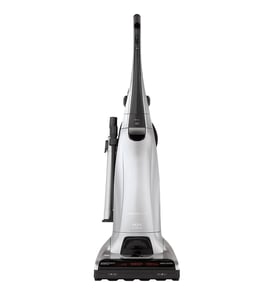

What is the number one rated upright vacuum cleaner?
There is no single, permanent “number one” upright vacuum; rankings change by year and by what’s being tested (pet hair, carpet deep-cleaning, hard floors, filtration, noise). For most homes, the best-rated choice is the one that matches your flooring and maintenance needs; use your Hoover UH30600 features as your baseline and compare from there.
How to pick the “#1” vacuum for your home
When we help customers choose an upright, we focus on performance and upkeep, not just brand hype:
- Flooring mix: carpet, area rugs, hard floors, or a combination
- Pet hair load: shedding level and whether hair wraps on the brush roll
- Filtration needs: HEPA-style filtration and sealed airflow paths (best for allergens)
- Maintenance time: how often you’re willing to clean filters, clear clogs, and cut hair off the brush roll
- Tools and reach: hose length, stair tool, crevice tool, upholstery tool
- Parts availability: belts, brush roll, filters, and hoses are common wear items
What “top rated” usually means (and what to check)
Different reviewers score different things. Use this quick checklist to compare models consistently.
| What’s being rated | What it affects | What to look for in an upright |
|---|---|---|
| Suction and airflow | Pickup on carpet and hard floors | Strong sealed suction, minimal leaks |
| Brush roll performance | Carpet agitation and pet hair pickup | Easy brush roll access, anti-wrap design |
| Filtration | Dust control and allergens | HEPA media, well-sealed bin/bag area |
| Ease of maintenance | Long-term performance | Washable filters, simple clog access |
Why it matters
A vacuum that is “#1 overall” can still perform poorly in your home if it is mismatched to your floors or if maintenance is difficult. Uprights like the Hoover UH30600 typically do best when the brush roll, belt, filters, and airflow path are kept clean and unobstructed.
Helpful resources for comparing and maintaining uprights
- Use the UH30600 owner’s manual to confirm your vacuum’s features, filter locations, and cleaning intervals.
- For broader upright troubleshooting and maintenance tips, see the vacuum repair-guides landing page.
Last updated: February 2026
What is the life expectancy of a Hoover vacuum?
Most Hoover vacuums typically last 5 to 8 years; a corded upright like the Hoover UH30600 often reaches the upper end of that range when filters, belts, and airflow paths are kept clean and clear. Heavy use and poor maintenance shorten lifespan.
Typical lifespan by vacuum type
| Vacuum type | Typical life expectancy | What usually limits lifespan |
|---|---|---|
| Corded upright (like UH30600) | 6 to 8 years | Belt and brush wear, clogs, motor strain |
| Cordless stick | About 5 years | Battery capacity loss |
| Canister | 6 to 10 years | Hose leaks, motor wear, seals |
What extends the life of your UH30600
- Empty the dirt cup or replace the bag before it overfills.
- Clean or replace filters on schedule (check the UH30600 owner's manual).
- Clear hair and string from the brush roll and end caps.
- Replace worn belts before they slip or break.
- Keep hoses and air passages clear to prevent motor overheating.
Signs it is near end-of-life (or needs a major repair)
- Suction stays weak after filter cleaning and clog checks.
- Brush roll stops or intermittently spins even with a new belt.
- Burning smell, loud grinding, or high-pitched squeal from the power head.
- Unit shuts off during use and restarts only after cooling.
- Cracked hoses, loose seals, or repeated clogs that return quickly.
Quick decision guide: repair vs replace
| If you see this | Try this first | Likely outcome |
|---|---|---|
| Weak pickup | Filter service, clog check | Often fixable |
| Brush not spinning | Belt and brush roll inspection | Often fixable |
| Loud motor noise or burning smell | Stop use; inspect for blockage and overheating | Motor may be failing |
Why it matters
A vacuum that is clogged or running with a slipping belt pulls more current and runs hotter; that extra strain is one of the fastest ways to shorten motor life.
For step-by-step troubleshooting paths, we use the vacuum symptoms landing page to match symptoms like “not suctioning well” or “shuts off during use” to the most common fixes.
Last updated: February 2026
What are the disadvantages of an upright vacuum?
Upright vacuums like the Hoover UH30600 can be great for carpet cleaning, but the common downsides are weight, bulk, and reduced reach in tight spaces. Depending on features, some uprights can also be less gentle on hard floors and less convenient on stairs.
Common disadvantages (what you’ll notice day to day)
- Heavier and bulkier to carry: Uprights are often harder to move up stairs and store in small closets.
- Less flexibility under furniture: The fixed body and power head can make low-clearance cleaning tougher.
- Stairs can be awkward: Even with a hose, the main unit is still large to manage.
- Hard-floor performance varies: If the brush roll cannot be shut off, it can scatter debris or be too aggressive on some floors.
- Cord management (corded models): You may need to switch outlets more often in larger rooms.
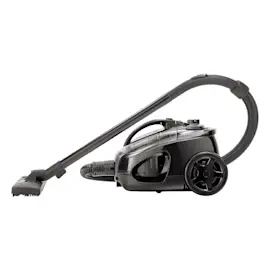
Quick comparison: upright vs canister
| Feature | Upright vacuum | Canister vacuum |
|---|---|---|
| Carpet cleaning | Strong, especially with a powered brush roll | Strong, depends on floor nozzle |
| Stairs | Often harder to handle | Often easier to carry |
| Under-furniture reach | Usually limited | Usually better |
| Storage | More vertical space, bulky | More flexible, can be awkward |
What to check on your Hoover UH30600
Use the UH30600 owner's manual to confirm which features your specific vacuum has, especially:
- Brush roll on/off (or automatic control)
- Hose length and onboard tools
- Filter and dirt cup maintenance steps
- Belt and brush roll inspection intervals
Why it matters
Most “upright vacuum problems” customers notice (poor pickup, debris scatter, brush roll issues) are tied to design tradeoffs plus maintenance items like filters, belts, and brush roll cleaning. Matching the vacuum style to your flooring and storage needs prevents frustration.
For repair and maintenance help, we recommend starting with the vacuum repair-guides landing page.
Last updated: February 2026
Which is the most powerful upright vacuum cleaner?
There is no single “most powerful” upright vacuum for every home because power depends on sealed suction, airflow, and how well the brush roll and nozzle seal work on your flooring. For real-world cleaning, many shoppers compare top-tier uprights like Dyson and Shark, then match features to carpet, hard floors, and pet hair needs.
What “most powerful” really means
When we talk about power in an upright vacuum, we look at a few practical measures, not just motor watts.
- Sealed suction: how strongly the vacuum pulls when the nozzle is sealed
- Airflow (CFM): how much air moves through the system (important for debris pickup)
- Brush roll agitation: how well it lifts hair and grit from carpet
- Nozzle seal and height control: keeps suction focused at the floor
- Filtration and clogs: a restricted filter or partial clog can make any vacuum feel weak
Quick comparison: how to choose a “powerful” upright
| If your main need is… | Prioritize… | Why it helps |
|---|---|---|
| Thick carpet and pet hair | Strong brush roll + good height adjustment | Improves deep carpet pickup |
| Hard floors and fine dust | Strong sealed suction + soft/adjustable floor setting | Prevents scatter and improves fine pickup |
| Whole-home cleaning | Easy-to-clean filters + clog access | Keeps performance consistent |
| Allergies | Sealed system + HEPA-style filtration | Reduces dust blow-by |
How to get maximum power from your Hoover UH30600
Even if you are comparing other uprights, we recommend keeping your Hoover UH30600 performing at its peak:
- Empty the dirt cup or replace the bag (depending on configuration) before it is overfilled
- Clean or replace filters on schedule
- Check the hose, wand, and floor nozzle for clogs
- Remove hair and string from the brush roll
- Replace worn belts so the brush roll spins at full speed
For model-specific maintenance steps and filter locations, follow the UH30600 owner's manual.
Why it matters
A vacuum that tests “powerful” can still clean poorly if the brush roll is stalled, the belt is stretched, or airflow is restricted. Restoring airflow and brush roll speed usually delivers a bigger improvement than chasing a higher-rated motor.
Last updated: February 2026