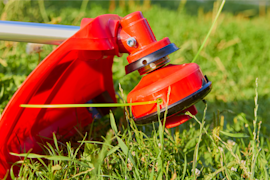

Are string trimmer heads interchangeable?
Most string trimmer heads are not automatically interchangeable across brands and models, including Craftsman model 636796234. Many heads can be made to fit if the mounting style matches or if you use the correct adapter hardware (thread size, left-hand vs right-hand threads, and shaft type all matter).
What has to match for a head to fit
Before buying a replacement head, we match these specs on the existing head and gearbox output:
- Mounting type: threaded arbor, bolt-on, or spline/drive shaft
- Thread size and pitch: common sizes vary by trimmer family
- Thread direction: some trimmers use left-hand threads (reverse)
- Shaft style: straight vs curved shaft can affect head compatibility
- Head capacity: line diameter range the head is designed to feed
Quick compatibility checklist (practical steps)
Use this process on your Craftsman 636796234:
- Remove the head and note whether it unthreads normally or “tightens” to remove (left-hand thread clue)
- Measure the arbor diameter and identify thread pitch (a thread gauge helps)
- Check for a retaining bolt inside the head (some are bolt-on, not threaded)
- Confirm the head accepts your preferred line size (for example, 0.065 in to 0.095 in is common)
- Compare those specs to the replacement head listing before ordering
Common outcomes (what you can expect)
| Situation | What it means | Best next step |
|---|---|---|
| Same thread size and direction | Direct swap is likely | Install and test feed |
| Thread size matches but direction differs | Head will not tighten correctly | Use the correct adapter or choose a matching head |
| Different mounting style (bolt-on vs threaded) | Not a direct fit | Choose a head designed for your mounting type |
| Line size mismatch | Poor feeding or breakage | Pick a head rated for your line diameter |
Why it matters
A mismatched trimmer head can loosen during operation, strip threads on the gearbox, or cause constant line-feed problems. Matching the arbor and thread direction first prevents most “doesn’t fit” returns and protects the drive system.
For step-by-step repair and maintenance help, use our line trimmer repair guides landing page.
Last updated: February 2026
What's the difference between a whipper, snipper, and a line trimmer?
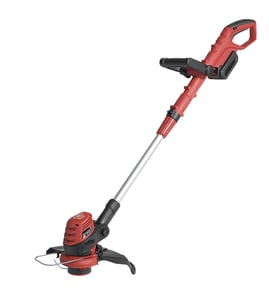
A whipper snipper and a line trimmer are the same tool in most everyday use; the terms vary by region. For your Craftsman 636796234 line trimmer, “line trimmer” is the standard name, and it’s built to cut grass and light weeds using a spinning nylon line.
Quick definitions (what people usually mean)
- Line trimmer: General term for a string trimmer that uses nylon line to cut.
- Whipper snipper: Common nickname for a line trimmer (often used in Australia and New Zealand).
- Snipper: Shortened slang for whipper snipper or line trimmer.
- Weed eater: Another common nickname for a line trimmer.
- Brush cutter (different tool): Uses a metal blade for thicker weeds, brush, and saplings.
How to tell if it’s a line trimmer or a brush cutter
| Feature | Line trimmer (string trimmer) | Brush cutter |
|---|---|---|
| Cutting method | Nylon line | Metal blade (or heavy-duty head) |
| Best for | Lawn edges, light weeds | Thick weeds, brush, woody growth |
| Typical feel | Lighter, faster trimming | Heavier, more torque-focused |
Why it matters
Using the right term helps you match the right cutting head, trimmer line diameter, and maintenance steps to the job. A line trimmer like the Craftsman 636796234 is ideal for edging and routine yard cleanup; a brush cutter is the better choice when line keeps breaking or the tool bogs down in heavy growth.
Helpful next step for performance and upkeep
If your trimmer is hard to start, runs rough, or won’t stay running, follow our DIY troubleshooting and tune-up steps in line trimmer repair guides landing page.
Last updated: February 2026
Which is better, .080 or .095 trimmer line?
For a Craftsman line trimmer like model 636796234, .080 inch line is better for lighter trimming and edging, while .095 inch line is better for heavier weeds and tougher cutting. The best choice is the thickest line your trimmer head is designed to feed reliably.
Quick comparison: .080 vs .095 line
| Line size | Best for | Tradeoffs you will notice |
|---|---|---|
| .080 in | Regular lawn edging, light grass, routine touch-ups | Smoother feeding, but wears faster in thick weeds |
| .095 in | Dense grass, weeds, fence lines, heavier-duty trimming | More durable, but can reduce RPM and may feed poorly if the head is not sized for it |
How we choose the right line size
Use these practical checks before you buy or spool up line:
- Check the trimmer head or spool label for the recommended diameter range.
- If your line keeps jamming, welding together, or not advancing, step down in size.
- If line breaks constantly in weeds, step up in size (only if the head supports it).
- Match line shape to the job: round for general use, twisted for lower noise, serrated for aggressive cutting.
- For best performance, use fresh line and store it sealed so it stays flexible.
Why it matters
Line diameter affects cutting load on the engine, spool feed performance, and how cleanly the trimmer cuts. Using too-thick line can bog a gas trimmer down and cause feed problems; using too-thin line can waste time because it breaks and wears quickly.
If your trimmer struggles after changing line
If your Craftsman 636796234 runs rough, stalls, or will not accelerate after you switch to heavier line, the issue is often tune-up related (spark plug, air filter, fuel system) rather than the line itself. Use our DIY steps in line trimmer runs rough to pinpoint the cause.
Last updated: February 2026
How do I know what strimmer line to buy?
For your Craftsman line trimmer model 636796234, choose trimmer line based on line diameter, line shape, and what you cut most often. Thicker line handles heavier weeds better, while thinner line feeds easier and is ideal for routine lawn edging.
Step 1: Pick the right line diameter
Most homeowner line trimmers use line in the 0.065 in to 0.095 in range. Use this as a practical guide:
- 0.065 in to 0.080 in: light trimming, fine grass, small yards
- 0.085 in: best all-around choice for typical grass and moderate weeds
- 0.095 in: thicker weeds and tougher conditions (may reduce runtime and can be harder to feed)
If your trimmer head or spool is designed for a maximum diameter, using thicker line than intended can cause poor feeding, overheating, or extra wear.
Step 2: Choose a line shape that matches your work
Line shape affects cutting aggressiveness and durability.
| Line type | Best for | Tradeoff |
|---|---|---|
| Round | Everyday trimming, smooth feeding | Less aggressive on thick weeds |
| Square or star | Faster cutting on heavier growth | Can wear faster and be noisier |
| Twisted | Quieter trimming, decent durability | Not always as aggressive as square |
Step 3: Match the line to common symptoms
If you are fighting performance issues, the line choice and setup often matter as much as the engine tune.
- Line keeps breaking: go slightly thicker, slow down near fences and rocks
- Line will not advance: check for overfilled spool, melted line, or wrong diameter
- Cuts poorly: switch to fresh line, consider square/star, verify correct length and feed
- Excess vibration: use round line and confirm even winding on the spool
Why it matters
The correct trimmer line reduces jams, improves cutting speed, and helps protect the trimmer head, spool, and drive components from unnecessary strain.
Helpful DIY guidance
For more line and cutting-head troubleshooting, use our solving common problems with line trimmer cutting lines resource.
Last updated: February 2026