
Is 30 minutes on the elliptical better than walking?
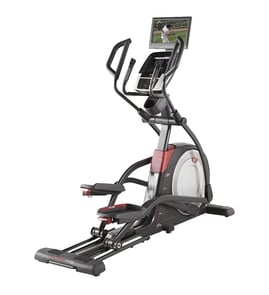
For most people, 30 minutes on a Horizon elliptical machine like model CSE3 is “better” than walking when the goal is higher calorie burn with lower joint impact; walking is often “better” for bone-loading impact, balance, and an easy-to-sustain daily habit.
| Goal | Elliptical | Walking |
|---|---|---|
| Joint impact | Lower impact on knees/hips | Higher impact (varies by pace/surface) |
| Calorie burn potential | Typically higher at similar perceived effort | Moderate; can rise with hills/incline |
| Muscle emphasis | More total-body if you use moving handles | More calves/hamstrings; strong gait pattern |
| Convenience | Indoor, consistent pace | Outdoor option; minimal equipment |
- You want a low-impact cardio workout (common for knee or hip sensitivity).
- You want higher intensity intervals without pounding.
- You want a fuller-body session by actively pushing and pulling the handles.
- You want consistent workouts regardless of weather.
- You want a simple routine you can do daily with minimal setup.
- You want more weight-bearing impact to support bone density.
- You want to build walking-specific endurance, balance, and gait efficiency.
- You prefer outdoor movement and easy recovery days.
- For calorie burn on the elliptical: increase resistance, add intervals (for example, 1 minute hard, 2 minutes easy), and keep posture tall.
- For calorie burn walking: add incline/hills, increase pace, or use short brisk intervals.
- For joint comfort: keep strides smooth on the elliptical; for walking, choose softer surfaces and supportive shoes.
Choosing between an elliptical workout and walking is really choosing the training effect: the elliptical helps you push intensity with less impact, while walking builds a durable daily movement habit and adds weight-bearing benefits.
For general DIY safety and planning before any fitness equipment checks or adjustments, use our are diy appliance repairs safe guide.
Last updated: January 2026
Are ellipticals good for losing weight?
Yes. Using a Horizon elliptical machine like model CSE3 is an effective way to lose weight because it can burn a high number of calories while staying low-impact on knees, hips, and ankles, which helps you work out consistently enough to create a calorie deficit.
Ellipticals support fat loss by combining steady cardio with optional upper-body engagement, so you can raise heart rate without the pounding you get from running.
- Low-impact cardio: easier to do more often, which drives results
- Adjustable resistance and incline (on many ellipticals): lets you increase intensity over time
- Full-body option: moving handles can add upper-body work and increase total effort
- Interval-friendly: short hard efforts plus recovery periods can boost calorie burn
- Joint-friendly cross-training: helps you keep exercising even if you are managing soreness
Use this as a starting point, then increase time or intensity every 1 to 2 weeks.
| Goal | Sessions per week | Session style | Typical time |
|---|---|---|---|
| Get consistent | 3 to 4 | steady pace | 20 to 35 min |
| Lose weight faster | 4 to 6 | mix steady + intervals | 25 to 45 min |
| Maintain weight | 2 to 4 | steady pace | 20 to 40 min |
These are the habits we see matter most for real-world results.
- Track time and intensity (resistance level, speed, or perceived effort)
- Aim for progressive overload: slightly harder each week
- Add 2 days of strength training (legs, glutes, back, core) to protect muscle while dieting
- Keep posture tall; avoid leaning heavily on the handles
- Pair workouts with a calorie-controlled eating plan (weight loss comes from a consistent deficit)
Weight loss is mostly about consistency. An elliptical is one of the easiest cardio machines to stick with because it is low-impact, scalable for beginners, and still intense enough for advanced interval training.
Related: are diy appliance repairs safe, how to find your appliance model number (and what it means for parts)
Last updated: January 2026
What are common problems with ellipticals?
Common problems on ellipticals like the Horizon CSE3 elliptical machine usually come down to noise, inconsistent resistance, console power issues, and loose or worn moving parts. Most symptoms trace back to drive components, pedal/arm hardware, or simple electrical connection problems.
- Squeaking, clicking, or grinding: often from dry pivot points, loose hardware, or worn rollers/bushings.
- Hard to pedal or “dragging” feel: commonly belt tension/alignment issues or binding in the crank/pedal arms.
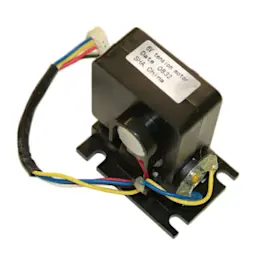
- Resistance not changing: can be a resistance motor issue, a stuck flywheel system, or a console-to-resistance wiring problem.
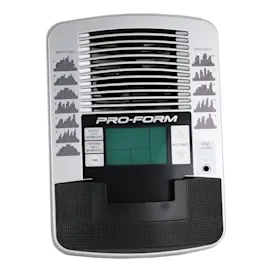
- Console won’t power on or resets: loose power jack, damaged wiring, or a failing power supply.
- Incline/ramp buttons not responding (if equipped): console keypad wear, wiring connection issues, or a failed incline motor.
- Unplug power, wait 60 seconds, then reconnect (simple reset).
- Tighten visible fasteners on pedals, crank arms, and handlebars.
- Inspect moving joints for side-to-side play and rubbing.
- Check wiring harness connections at the console mast and lower frame for looseness or pinched wires.
- Listen for where the noise starts (front drive area vs. pedal arms vs. rear rollers).
| Symptom | Most likely area | Typical fix |
|---|---|---|
| Squeak with each stride | Pedal arm pivots | Tighten, lubricate pivot points |
| Clicking under load | Crank/pedal hardware | Re-torque fasteners, inspect wear |
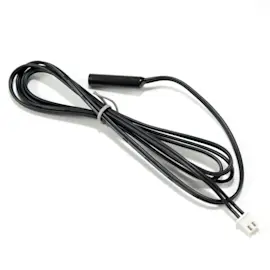
| No resistance change | Resistance system | Check wiring, test motor/sensor |
| Dead console | Power/wiring | Verify outlet, inspect cord and connections |
Ignoring noise, looseness, or resistance problems can accelerate wear on the drive system and joints, turning a simple adjustment into a bigger repair.
- Use a meter and basic electrical checks when the console or resistance acts up: how to use a multimeter to test electrical parts video
- If you find damaged wiring during inspection: how to repair broken or damaged wires video
Last updated: January 2026