Owner’s manual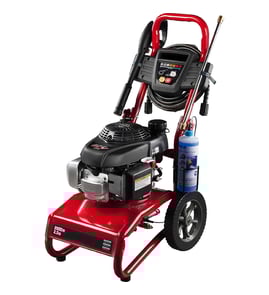

What are the most common issues with 919670280?
The most common issues we see with the Craftsman 919670280 gas pressure washer are no or low pressure, surging pressure, detergent not siphoning, water leaks at fittings, and hard starting or stalling. Most problems trace back to water supply restrictions, nozzle clogs, air leaks, or fuel and ignition maintenance.
Quick checks that fix many problems
- Confirm the garden hose delivers strong flow; use a 5/8-inch hose and avoid long, kinked runs.
- Purge air: connect water, squeeze the trigger until flow is steady, then start the engine.
- Clean the spray tip/nozzle; a partially blocked tip causes low pressure and surging.
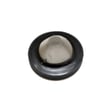
- Inspect the inlet screen at the water connection; rinse debris out.
- Check for suction-side air leaks (loose hose connections, cracked O-rings) that cause pulsation.
- Use fresh gasoline; old fuel commonly causes hard starting and stalling.
Symptom-to-cause guide
| Symptom | Most common cause | What to do first |
|---|---|---|
| No/low pressure | Clogged nozzle or inlet screen | Clean tip and inlet screen |
| Pressure surges | Air in system, nozzle partially clogged | Purge air; clean tip |
| Detergent not drawing | Wrong nozzle setting, clogged siphon tube | Use soap nozzle; clear tube |
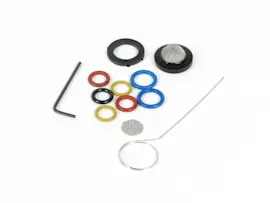
| Leaks at wand/hoses | Worn or pinched O-rings, loose couplers | Reseat couplers; replace O-rings |
| Starts then dies | Stale fuel, dirty carburetor, low oil shutdown (if equipped) | Replace fuel; check oil level |
Why it matters
Running the pump without adequate water flow or with trapped air overheats seals and valves quickly. Keeping the inlet screen clean, using the correct nozzle, and maintaining fuel quality prevents most repeat failures.
Model-specific help
Your Craftsman 919670280 owner’s manual covers the correct startup sequence, nozzle use, detergent pickup, and maintenance intervals that prevent low-pressure and engine-running issues.
Last updated: March 2026
What is the average lifespan of 919670280?
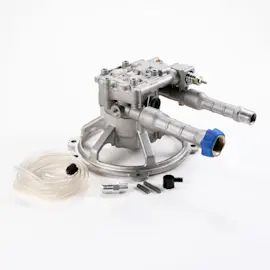
A Craftsman gas pressure washer like model 919670280 typically lasts 8 to 12 years with normal homeowner use and basic maintenance. The pump, unloader valve, and engine wear items usually determine the true service life more than the frame or hose set.
What affects lifespan the most
- Water quality: hard water and debris shorten pump and seal life
- Storage habits: freezing temperatures crack pumps and manifolds
- Run time: long continuous sessions build heat in the pump
- Oil and fuel care: stale fuel and skipped oil changes shorten engine life
- Operating technique: running without water flow damages the pump fast
Maintenance schedule that gets you to the high end
Use the intervals in the 919670280 owner's manual; these are the most common best practices for gas pressure washers:
| Task | Typical interval | Why it matters |
|---|---|---|
| Check engine oil | Every use | Prevents accelerated engine wear |
| Change engine oil | First 5 hours, then every 25 to 50 hours | Extends engine life |
| Inspect inlet screen/filter | Every use | Protects pump from grit |
| Flush pump after use | Every use | Reduces corrosion and mineral buildup |
| Fuel stabilizer for storage | Any storage over 30 days | Prevents carburetor varnish |
Signs your pressure washer is nearing end-of-life
- Pressure surges (often unloader or pump wear)
- Oil in the pump or milky oil (seal failure)
- Persistent low pressure after nozzle and inlet checks
- Engine hunts, stalls, or will not stay running (fuel system wear)
- Water leaks at the pump head or fittings that keep returning
Why it matters
Knowing the expected lifespan helps you decide whether to maintain, rebuild common wear areas (pump and fuel system), or replace the unit before a failure interrupts a job.
Last updated: March 2026
What is the normal residential gas pressure?
Normal residential natural gas pressure at the appliance is typically about 0.25 PSI (roughly 7 inches water column). That household gas-supply pressure is separate from the water pressure your Craftsman 919670280 gas pressure washer generates (rated 2400 PSI); use the Craftsman 919670280 owner's manual for the washer’s operating specs and safety guidance.
Typical residential gas pressure ranges
Most homes fall into one of these common ranges:
- Natural gas (low pressure): ~7 in. w.c. (about 0.25 PSI) at the appliance regulator
- Propane (LP) at the appliance: ~11 in. w.c. (about 0.4 PSI) after the regulator
- Utility “2 PSI” service (where used): higher pressure to the meter, then regulated down before appliances
| Fuel type | Typical pressure at appliance | Common unit |
|---|---|---|
| Natural gas | ~0.25 PSI | ~7 in. w.c. |
| Propane (LP) | ~0.4 PSI | ~11 in. w.c. |
How this relates to a gas pressure washer
Your Craftsman 919670280 is a gasoline-engine pressure washer (not natural-gas fueled). The “pressure” you see on this machine is water pressure produced by the pump.
- Rated water pressure: 2400 PSI
- Rated flow: 2.4 GPM
- Engine type: 4-cycle (uses separate engine oil and gasoline)
Why it matters
Gas pressure that is too low can cause weak flames, poor heating performance, or appliance shutdowns. Gas pressure that is too high can cause unsafe burner operation. If you are checking household gas pressure, use the correct manometer and verify readings at the appliance test port.
Last updated: January 2026