Owner’s manual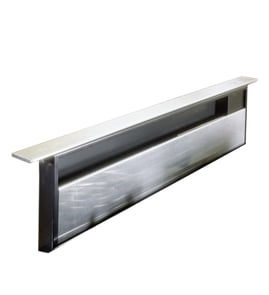



What are the cons of a downdraft range?
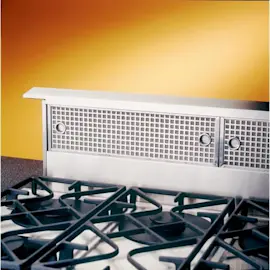
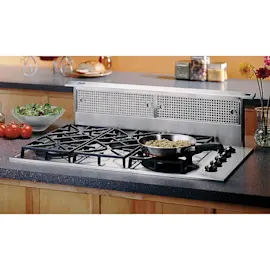
A downdraft setup (like the Jenn-Air JXD7036YS0 retractable vent used behind a cooktop) can struggle more than an overhead hood with heavy smoke and grease, especially during high-heat searing. Tall cookware can also block airflow, and the vent can affect gas-burner flame stability.
Main drawbacks to expect
- Less capture of smoke and grease: downdraft pulls air sideways and down, so rising heat and smoke can escape more easily.
- Tall pots reduce performance: large or tall utensils can block the intake; using rear burners helps.
- May require higher cooking heat: you may need a higher heat setting to get the same cooking results while the vent is running.
- Gas cooktop side effects: higher blower speeds can disturb flame stability and may cause flame-sensing igniters to keep sparking.
- More maintenance in the intake path: filters need regular cleaning and correct installation to keep airflow strong.
Tips that reduce the downsides (JXD7036YS0)
We recommend these habits for better real-world performance:
- Turn the vent on before you start cooking.
- Put tall cookware on the large rear element/burner when possible.
- If you have a gas cooktop and the flame wavers, lower the blower speed or increase the burner flame setting.
- Keep filters clean and seated fully; on this style of vent, the filter position can affect operation.
- Use the care and operating steps in the owner's manual to avoid unintentional vent raising and to keep the vent moving smoothly.
Quick comparison: downdraft vs. overhead hood
| Feature | Downdraft vent (like JXD7036YS0) | Overhead hood |
|---|---|---|
| Smoke capture at high heat | Moderate | Stronger |
| Tall pot interference | More likely | Less likely |
| Impact on gas flames | Possible | Usually minimal |
| Visual footprint | Low-profile | Visible hood |
Why it matters
If you do frequent high-heat frying, wok cooking, or heavy searing, capture efficiency is the difference between a kitchen that clears quickly and one that holds odors and grease. For mixed everyday cooking, a downdraft can work well when you use the right burner placement and keep airflow paths clean.
Last updated: February 2026
Do downdraft vents need to be vented outside?
For the Jenn-Air JXD7036YS0 downdraft ventilation system, we install it as a ducted vent that exhausts through the cabinet (bottom, left, or right) and then out of the home through the duct run. This model is designed around ducted exhaust, not simple in-cabinet recirculation. See the venting options in the JXD7036YS0 owner's manual.
Venting options for this model
The JXD7036YS0 can be configured to exhaust in different directions so you can route ductwork to an exterior wall or roof cap.
- Exhaust direction choices: bottom, left, or right
- The blower ships set up for bottom venting
- With a 6-inch round vent transition, left or right venting is recommended
- Seal all ceiling and wall openings around the duct run
- Follow local codes and ordinances for ducting and termination
What “vented outside” means in practice
A downdraft system still needs a complete duct path to the outdoors. The vent box exhaust direction only determines how the duct leaves the cabinet; the duct run then continues to an exterior termination.
| Installation choice | What changes | Common use case |
|---|---|---|
| Bottom venting | Duct exits the cabinet floor | Ducting routed down through floor/joists |
| Left venting | Duct exits left cabinet side | Ducting routed to an adjacent wall chase |
| Right venting | Duct exits right cabinet side | Ducting routed to an adjacent wall chase |
Damper note (important for outside venting)
If you vent out through the bottom and install the vent damper in the down position, the installation requires an exterior wall cap or roof cap that includes a damper at the exit end of the vent system. A working damper helps prevent backdrafts and outside air from entering the kitchen.
Why it matters
Downdraft ventilation performance depends on moving cooking smoke, steam, and odors out of the home. A properly sized, sealed duct run with the correct termination and damper prevents weak airflow, grease buildup, and backdrafting.
Last updated: February 2026
How long do downdraft ranges last?
Most downdraft ventilation setups used with a range or cooktop last 10 to 15 years with normal use and routine cleaning. For your Jenn-Air JXD7036YS0 downdraft vent system, keeping filters clean and the vent mechanism moving freely is what most directly extends service life.
Typical lifespan (what to expect)
Downdraft systems usually wear out from heat, grease buildup, and repeated raising and lowering of the vent.
- 10 to 15 years is the typical service life for a downdraft vent system
- Heavy cooking (high heat, frequent frying) shortens lifespan
- Regular filter cleaning and gentle surface cleaning extends lifespan
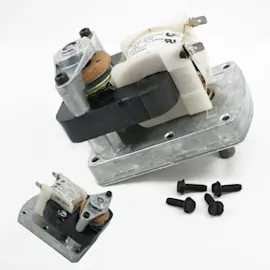
- Motorized lift parts and switches are the most common wear items
Maintenance that most affects lifespan
Follow the cleaning and operating guidance in the JXD7036YS0 owner's manual. In general, these habits prevent premature motor and switch problems:
- Clean the exterior with mild soap and water; wipe dry to prevent water marks
- Avoid abrasive cleaners and scouring pads that damage the finish
- Remove and clean filters frequently so airflow stays strong
- Keep liquids from seeping into the vent; turn the vent off immediately if a spill gets inside
- Let the unit dry naturally after a spill; do not raise the vent to “air it out”
Parts that commonly determine “end of life”
If the vent still looks good but performance drops, replacing a few key parts often restores normal operation.
| Symptom | Common cause | Example part for JXD7036YS0 |
|---|---|---|
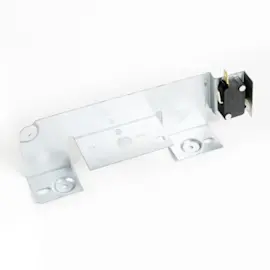
| Vent will not raise or retract reliably | Position sensing issue | Downdraft vent position switch W11230930 |
| Weak airflow or more smoke/odor | Clogged or damaged filter | Downdraft vent grease filter, 30-in W10422879 |
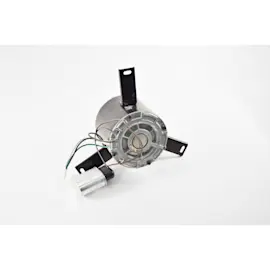
| Noisy, weak, or non-running blower | Worn blower assembly | Downdraft vent blower fan assembly W11672683 |
Why it matters
A downdraft vent that is struggling (dirty filters, restricted movement, or a failing blower) runs hotter and longer to do the same job. That extra strain accelerates wear on the blower motor, lift mechanism, and control components.
Last updated: February 2026
Is a downdraft vent worth it?
Yes, a downdraft vent can be worth it when you need ventilation without an overhead hood, especially in an island or a kitchen where ducting options are limited. For the Jenn-Air JXD7036YS0, it is designed to remove smoke, cooking vapors, and odors from the cooktop area when used correctly (filters installed, vent fully raised). See the owner's manual for operating and placement details.
When a downdraft vent is a good choice
A downdraft system is usually the right fit when your layout or design goals make a traditional range hood impractical.
- You have an island cooktop and do not want an overhead hood
- You have limited space for overhead cabinetry or a microwave hood
- You want a retractable vent that stays out of sight when not in use
- You cook mostly everyday meals (light to moderate smoke and grease)
- You can route ducting to a wall or roof cap with a damper (per typical installation requirements)
Tradeoffs to know before you decide
Downdraft ventilation is effective for many kitchens, but it has real limitations compared with a large canopy hood.
- Capture area is smaller, so it can be less effective for heavy smoke or high-heat searing
- Tall pots can block airflow; using rear burners helps
- You may need a higher heat setting while the vent is running
- On gas cooktops, airflow can affect flame stability; lowering blower speed or increasing flame can help
Quick comparison
| Feature | Downdraft vent (JXD7036YS0 type) | Overhead hood (typical) |
|---|---|---|
| Visibility | Retracts when off | Always visible |
| Best for | Islands, open sightlines | Most cooking styles |
| Heavy smoke/grease | Moderate | Strong |
| Gas flame interaction | Possible | Less common |
How to get the best performance from JXD7036YS0
These usage habits make a bigger difference than most people expect.
- Start the vent before you begin cooking
- Make sure the vent is fully raised before expecting full airflow
- Place large or tall utensils on the large rear element/burner area
- If the blower will not run, confirm the filters are pushed in fully to activate the switch
- If you hear unusual noises, check for obstructions and confirm the unit is seated correctly in the cutout
Why it matters
Ventilation affects comfort, indoor air quality, and how much heat and odor lingers after cooking. A downdraft vent is “worth it” when it matches your kitchen layout and cooking style, and when it is installed and used the way the system is designed to operate.
Last updated: February 2026