


What are common problems with Goodman air conditioners?
Common problems we see on Goodman central air conditioners like model CKJ36-1 include the outdoor unit not starting, weak cooling, short cycling, and buzzing or clicking noises. Many issues trace back to airflow restrictions, dirty coils, or failing electrical parts such as a run capacitor or contactor.
Most common symptoms and likely causes
- Outdoor unit will not run: failed contactor, weak capacitor, blown fuse/breaker, loose wiring
- Runs but does not cool well: dirty condenser coil, restricted indoor airflow, low refrigerant charge
- Starts then shuts off (short cycles): overheating from dirty coil, capacitor weakening, control or safety issue
- Humming/buzzing: capacitor struggling, contactor chattering, failing fan motor
- Ice on lines or indoor coil: low airflow (dirty filter/blocked vents) or refrigerant problem
Quick checks you can do safely
Turn off power at the disconnect and breaker before opening any panels.
- Confirm the thermostat is set to cool and the setpoint is below room temperature
- Replace/clean the indoor air filter and make sure supply and return vents are open
- Clear debris around the outdoor unit; keep at least 18 to 24 inches of clearance
- Look for obvious burnt wires or loose spade connectors (do not touch energized parts)
- If the unit clicks but the fan or compressor will not start, test the capacitor with a meter
For electrical testing basics, use our how to use a multimeter to test electrical parts video.
Parts that commonly fail on this model
If your CKJ36-1 will not start or is noisy at startup, these are frequent culprits:
| Symptom | Common part involved | What it does |
|---|---|---|
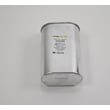
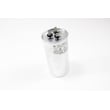
| Clicking but no start | Capacitor CAP050800440RTP | Helps start and run the compressor/fan motors |
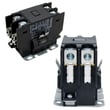
| Outdoor unit dead or intermittent | Contactor (25 amp) | Switches high voltage to the unit |
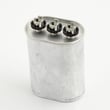
| Hard starting, humming | Capacitor 45 12769 | Run capacitor option used on some builds |
Why it matters
Airflow and electrical problems can quickly lead to compressor stress, higher energy use, and repeated shutdowns. Catching a weak capacitor or pitted contactor early often prevents bigger, more expensive failures.
Last updated: February 2026
What is the most expensive part to replace on an air conditioner?
On a central air conditioner like the Goodman CKJ36-1 condensing unit, the compressor is typically the most expensive single component to replace because it is the sealed, labor-intensive “heart” of the refrigerant system. When a compressor fails, repair costs often rise quickly due to diagnostics, refrigerant handling, and cleanup.
What usually drives the cost up
- Sealed-system labor: refrigerant recovery, evacuation, and recharge
- Root-cause fixes: a failed compressor can be caused by electrical issues, airflow problems, or contamination
- Additional parts: contactor, run capacitor, or filter drier may also need replacement
- Time on site: troubleshooting and electrical testing can add significant labor
- System age/condition: older systems often need more corrective work to prevent repeat failures
Common “big-ticket” AC parts (typical ranking)
| Part | Why it can be expensive | Notes |
|---|---|---|
| Compressor | Sealed-system repair plus high part cost | Often the top cost item |
| Outdoor fan motor | Motor cost plus labor | Can be moderate to high |
| Control board (on some systems) | Electronics cost | More common on advanced/inverter systems |
| Coil replacement | Labor-intensive, refrigerant work | Depends on access and condition |
Parts on this model page that are often involved in no-cool or hard-start issues
These are not usually the most expensive items, but they are common contributors to compressor-related symptoms:
- Capacitor CAP050800440RTP (run capacitor)
- Capacitor 60 CAP050600440RTP (run capacitor)
- Capacitor 45 12769 (dual run capacitor)
- Capacitor 40 12871 (run capacitor)
Why it matters
If the compressor is failing, replacing only a low-cost electrical part (like a capacitor) can lead to repeat breakdowns. A correct diagnosis helps you avoid replacing parts that are not the root cause and protects the new component from immediate damage.
Last updated: February 2026
What tonnage is Goodman CKJ36-1?
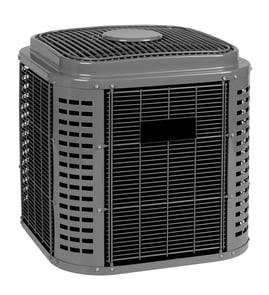
Goodman model CKJ36-1 is a 3-ton central air conditioner condensing unit. In Goodman model numbers, “36” typically indicates about 36,000 BTU/hr of cooling capacity, and 36,000 BTU/hr equals 3 tons.
Quick tonnage check (BTU to tons)
Use this conversion to sanity-check model sizing:
| Cooling capacity | Approx. tons |
|---|---|
| 24,000 BTU/hr | 2 tons |
| 30,000 BTU/hr | 2.5 tons |
| 36,000 BTU/hr | 3 tons |
| 48,000 BTU/hr | 4 tons |
| 60,000 BTU/hr | 5 tons |
Why the tonnage matters
Correct tonnage helps your system cool and dehumidify properly. A unit that is oversized can short-cycle and leave humidity high; a unit that is undersized can run constantly and still struggle on hot days.
If you are matching parts to the CKJ36-1
When ordering electrical parts for a 3-ton condensing unit, match the part by exact ratings and wiring configuration, not just tonnage.
Common parts that affect starting and running include:
- A run capacitor (match microfarads and voltage)
- A contactor (match coil voltage and amperage)
- Wiring connections and terminals (match layout and gauge)
If you are troubleshooting hard-starting or a condenser fan that will not run, these parts are often involved:
Basic safety and troubleshooting notes
Central AC condensing units use high voltage and stored electrical energy.
- Shut off power at the disconnect and breaker before opening the panel
- Discharge capacitors properly before handling
- Look for burned terminals, swollen capacitors, or pitted contactor contacts
- Use a meter to confirm voltage and component values
- Replace damaged wiring ends and connectors as needed
For electrical testing basics, we recommend: how to use a multimeter to test electrical parts video.
Last updated: February 2026
What is the average lifespan of a Goodman AC unit?
A Goodman central air conditioner (including the CKJ36-1 condensing unit) typically lasts 12 to 15 years. With correct sizing, solid installation, and consistent maintenance, it commonly reaches 15 to 20 years before major repairs or replacement become more cost-effective.
What affects lifespan the most
- Maintenance frequency: keeping the outdoor coil clean and airflow unrestricted
- Electrical health: stable voltage and tight, clean connections (reduces contactor wear)
- Run capacitor condition: weak capacitors strain the compressor and fan motor
- Refrigerant circuit integrity: leaks and moisture shorten compressor life
- Operating conditions: coastal salt, heavy debris, and extreme heat increase wear
Maintenance checklist that extends service life
- Shut off power and rinse the outdoor coil from the inside out (low pressure)
- Keep 18 to 24 inches of clearance around the unit; trim shrubs and remove leaves
- Replace/clean the indoor air filter on schedule (most homes: every 1 to 3 months)
- Inspect the disconnect and wiring for heat damage; repair safely as needed using how to repair broken or damaged wires video
- Test capacitors and electrical components with a meter using how to use a multimeter to test electrical parts video
Common “end of life” signs vs. fixable issues
| Symptom | Often fixable | Often points to replacement planning |
|---|---|---|
| Hard starting, humming, fan slow to spin | Run capacitor, contactor | Compressor struggling repeatedly |
| Short cycling | Thermostat/airflow/electrical | Compressor protection trips often |
| Rising electric bills | Dirty coil, weak capacitor | Declining compressor efficiency |
| Frequent service calls | Specific part failures | Multiple major sealed-system issues |
Parts that commonly restore reliable operation
If your CKJ36-1 is otherwise in good shape, these parts often solve “won’t start” or “runs poorly” complaints:
- Capacitor CAP050800440RTP (run capacitor)
- Capacitor 60 CAP050600440RTP (run capacitor option used on some builds)
- Capacitor 40 12871 (run capacitor option used on some builds)
- Capacitor 45 12769 (dual run capacitor option used on some builds)
Why it matters
A central AC’s lifespan is usually limited by compressor stress and electrical wear. Keeping airflow strong and electrical components healthy reduces overheating and hard starts, which are the two biggest life-shorteners for a condensing unit.
Last updated: February 2026
What AC parts are most commonly replaced?
For a Goodman CKJ36-1 condensing unit, the most commonly replaced items are the electrical start/run and switching components that handle high current. In real-world repairs, that usually means run capacitors and the contactor; both can cause no-cool, hard-start, or outdoor unit not running symptoms.
Most common replacements (and why)
- Run capacitor: weak capacitance can keep the compressor or condenser fan from starting.
- Contactor: worn or pitted contacts can stop power from reaching the compressor and fan.
- Filter drier: commonly replaced any time the sealed system is opened for refrigerant work.
- Wiring/connectors: overheated terminals and loose spade connectors create intermittent failures.
- Fan motor or compressor: less frequent, but major failures when they occur.
Model-matched examples from the CKJ36-1 parts list
Quick symptom-to-part guide
| What you notice at the outdoor unit | What it often points to | What to check first |
|---|---|---|
| Hums but will not start | Weak/failed capacitor | Capacitor |
| Clicks but fan/compressor do not run | Bad contactor contacts or capacitor | Contactor, capacitor |
| Runs intermittently, terminals look dark | Heat-damaged connection | Wiring/connectors |
| Cooling issues after refrigerant repair | Restriction/moisture control | Filter drier |
How we recommend checking the common failures
- Turn off power at the disconnect and breaker before removing the service panel.
- Look for a swollen capacitor, oil residue, or melted terminals.
- Test capacitors with a meter that reads capacitance (µF).
- If the repair involves refrigerant or a filter drier, use a qualified HVAC technician.
Related DIY help:
Why it matters
Capacitors and contactors are small parts, but they control whether the compressor and condenser fan can start and run. Replacing a weak capacitor early reduces hard-start stress that can shorten compressor life.
Last updated: February 2026