

Can you still get parts for Briggs & Stratton engines?
Yes. We still carry replacement parts for Briggs engines like model 135202-0237-01, and many common service items remain available (ignition, starting, seals, gaskets, and small hardware). The key is matching the exact engine model and type code so you get the correct fit.
Use these quick checks to avoid wrong-part returns:
- Confirm the full engine model number: 135202-0237-01
- Match the engine type and trim (often stamped on the blower housing or valve cover area)
- Compare your old part’s shape, mounting holes, and wire/connector style
- If the engine won’t start, test spark and kill-switch wiring before replacing parts
- For internal repairs, plan to replace gaskets and seals during reassembly
These are examples of parts available for this model that often solve no-start, hard-start, or oil-leak issues:
| Symptom or job | Part to consider | What it affects |
|---|---|---|
| No spark, intermittent spark | Briggs & stratton lawn & garden equipment engine ignition coil 397358 | Spark generation and ignition timing |
| Rope won’t retract or won’t pull | Briggs & stratton lawn & garden equipment engine recoil starter 497830 | Manual starting system |
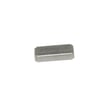
| Sheared flywheel key after impact | Briggs & statton key 222698S | Flywheel alignment and ignition timing |
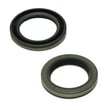
| Oil seep at crank area | Briggs & statton oil seal 299819S | Helps prevent oil leaks |
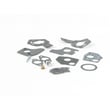
| Reassembly after teardown | Briggs & statton lawn & garden equipment engine gasket set 495603 | Sealing between engine components |
Briggs engines use many similar-looking parts across different model families. Ordering by the exact model (and matching the original part style) prevents ignition misfires, starting problems, air leaks, and oil leaks caused by incorrect components.
Last updated: February 2026
How do I find the specs for my Briggs & Stratton engine?
For a Briggs 135202-0237-01 lawn and garden engine, the fastest way to get the correct specs is to use the engine’s Model, Type, and Code numbers stamped on the engine. Those numbers identify the exact build so you can match horsepower class, tune-up parts, and service details.
Look for a stamped label or etched numbers on the engine in one of these common spots:
- On the blower housing (recoil starter shroud)
- On the valve cover
- Near the spark plug
- Near the muffler or muffler heat shield
- On the engine block above the oil fill or dipstick area
Write the numbers down exactly as shown, including dashes.
Once you have Model, Type, and Code, you can match key specifications and service items such as:
- Correct spark plug type and gap
- Oil type and crankcase capacity
- Governor and idle speed settings
- Carburetor and gasket configuration
- Ignition system type and coil air gap
- Flywheel and starter style
| Number | What it identifies | Why it matters |
|---|---|---|
| Model | Engine family and basic design | Gets you into the right parts breakdown |
| Type | Exact component configuration | Ensures the right carburetor, muffler, tank, etc. |
| Code | Build date and revision | Helps match running changes and updates |
These parts are commonly involved when specs and symptoms overlap (no-start, weak spark, kickback):
- Inspect the flywheel key for shearing after a sudden stop; replace with Briggs & statton key 222698S
- Test for spark and replace the coil if needed; see Briggs & stratton lawn & garden equipment engine ignition coil 397358
- If the rope will not retract or the starter slips, check the starter assembly; see Briggs & stratton lawn & garden equipment engine recoil starter 497830
Briggs engines can look similar across multiple builds, but the Type and Code can change ignition, carburetion, and gasket details. Using the stamped numbers prevents ordering the wrong parts and helps you apply the correct service settings.
Last updated: February 2026
What are the most common issues with 135202-0237-01?
The most common problems we see on the Briggs 135202-0237-01 lawn and garden engine are no-start conditions, weak or no spark, hard starting from recoil issues, and oil leaks. These symptoms usually trace back to ignition, starting components, or worn seals and gaskets.
- Engine will not start: verify the flywheel key is intact and ignition is not being grounded
- No spark or intermittent spark: test the ignition coil and kill switch circuit
- Hard to pull or rope will not retract: inspect the recoil starter and starter rope condition
- Oil seepage: look for wetness around crank seals and gasket surfaces
- Runs rough after starting: check for air leaks at intake gaskets and general engine condition
If your symptoms match, these model-matched parts are frequent fixes:
- No spark: Briggs & stratton lawn & garden equipment engine ignition coil 397358
- No-start after hitting an object: Briggs & statton key 222698S
- Pull-start problems: Briggs & stratton lawn & garden equipment engine recoil starter 497830 and Briggs & statton rope 280406S
- Oil leaks and air leaks: Briggs & statton oil seal 299819S and Briggs & statton lawn & garden equipment engine gasket set 495603
| Symptom | Most likely area | Best next step |
|---|---|---|
| No spark | Ignition/kill circuit | Test coil, then inspect switch wiring |
| Rope won’t retract | Recoil assembly | Check spring tension, pulley wear, rope fray |
| Starts then dies | Air/fuel or air leak | Inspect intake gasket surfaces, check for loose fasteners |
| Oil leak | Seals/gaskets | Clean engine, run briefly, recheck for fresh oil trail |
On small Briggs engines, a single failed ignition component, sheared flywheel key, or leaking gasket can mimic bigger problems. Checking the common wear items first saves time and prevents unnecessary teardown.
Last updated: March 2026