




Can I replace dishwasher parts myself?
Yes. Many repairs on your GE ZDT925SIN8II dishwasher are DIY-friendly if you can safely shut off power and water, remove a few screws, and reassemble parts correctly. We recommend starting with mechanical parts (rollers, seals, filters) before moving to electrical controls or water-fill components.
Good DIY repairs vs. better left to a pro
Usually good DIY jobs
- Cleaning or replacing the filter and checking the sump area
- Replacing rack hardware like the dishwasher lower dishrack roller WD12X26146
- Replacing a door spring such as the dishwasher door spring WD03X20316
- Replacing a tub or vent seal if you can access it without removing the dishwasher
Often better for experienced DIYers or a technician
- Water-fill issues involving the dishwasher water inlet valve WD15X26078
- Drain or wash performance problems tied to sensors like the dishwasher turbidity sensor WD21X22830
- Control and wiring repairs (risk of miswiring and repeat failures)
Safety steps we follow before any repair
- Turn off power at the breaker (do not rely on the door switch)
- Shut off the dishwasher water supply valve
- Protect the floor; keep towels ready for residual water
- Take photos of wire connectors and hose routing before removal
- Use the correct driver/bit to avoid stripping screws
Quick “is this repair worth DIY?” checklist
| What you’re replacing | Typical difficulty | Common tools |
|---|---|---|
| Rack rollers/springs | Easy | Screwdriver, pliers |
| Seals/gaskets | Medium | Screwdriver, cleaning brush |
| Inlet valve/sensors | Medium to hard | Nut driver, pliers, multimeter |
| Control boards/harnesses | Hard | Multimeter, ESD-safe handling |
Why it matters
DIY repairs can save time and money, but dishwashers combine electricity and water. Starting with simpler parts helps you avoid leaks, no-start conditions, and repeat error codes after reassembly.
For troubleshooting help when the dishwasher shows a code or beeps, use GE electronic dishwasher error codes.
Last updated: February 2026
What are the commonly replaced parts in a dishwasher?
For the GE ZDT925SIN8II dishwasher, the most commonly replaced parts are the ones that handle filling, washing, draining, and door sealing. In real-world repairs, we most often see wear in the door latch, inlet valve, wash system sensors, rack rollers, and gaskets because they deal with heat, moisture, and daily movement.
Most common dishwasher parts that get replaced
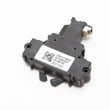
- Door latch and strike parts (door will not start, or pops open mid-cycle): GE dishwasher door latch lock WD21X10490
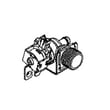
- Water inlet valve (won’t fill, fills slowly, or overfills): dishwasher water inlet valve WD15X26078
- Filters (poor cleaning, debris recirculating): dishwasher fine filter assembly WD12X25995
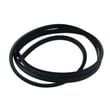
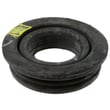
- Door and tub seals (leaks at the front or around the tub): dishwasher door vent seal WD08X10092, dishwasher tub gasket WD08X23477
- Rack hardware (rack falls off track, hard to roll): dishwasher lower dishrack roller WD12X26146
- Wash performance sensors (odd cycle behavior, poor cleaning, or draining issues tied to sensing): GE dishwasher pressure sensor WD21X25468, dishwasher turbidity sensor WD21X22830
Quick symptom-to-part cheat sheet
| Symptom | Common part area | Example part for ZDT925SIN8II |
|---|---|---|
| Won’t start, beeps, or stops when you close the door | Door latch system | WD21X10490 door latch lock |
| Not filling or weak fill | Fill system | WD15X26078 water inlet valve |
| Not cleaning well | Filtration or sensing | WD12X25995 fine filter assembly; WD21X22830 turbidity sensor |
| Leaking | Seals and gaskets | WD08X10092 vent seal; WD08X23477 tub gasket |
| Rack won’t roll smoothly | Rack rollers/rails | WD12X26146 lower dishrack roller |
Why it matters
Replacing the correct part restores normal wash pressure, proper water level, and a tight door seal. That prevents repeat issues like cloudy dishes, standing water, and leaks that can damage cabinets.
Helpful next step for diagnosis
If your GE dishwasher is flashing lights or showing an error, match the code first; it narrows the repair to the right system. Use GE electronic dishwasher error codes to identify what the control is detecting before ordering parts.
Last updated: February 2026
What is the average lifespan of a GE dishwasher?
A GE dishwasher typically lasts 10 to 12 years with normal household use. For your GE ZDT925SIN8II, consistent cleaning, good water quality, and quick fixes for leaks or draining problems are what most often push lifespan toward the longer end of the range.
Typical lifespan range (what to expect)
Most dishwashers fall into a predictable window based on use and care:
| Use and care level | Typical lifespan | What usually ends the run |
|---|---|---|
| Light use, well maintained | 12 to 15 years | Pump wear, control issues |
| Average family use | 10 to 12 years | Drain/wash performance decline |
| Heavy use, minimal maintenance | 8 to 10 years | Leaks, motor/pump strain |
What extends the life of a GE dishwasher
We see these habits make the biggest difference:
- Clean the filter area regularly; trapped debris makes the wash pump work harder.
- Keep spray arms clear of labels, seeds, and broken glass.
- Use the right detergent amount; excess suds can cause poor washing and leaks.
- Run hot water at the sink before starting a cycle to improve cleaning and reduce re-washes.
- Fix small leaks early; a worn seal can turn into cabinet and floor damage.
Parts that commonly affect longevity
When performance drops, these are frequent wear items that can restore normal operation:
- Dishwasher fine filter assembly WD12X25995 (clogging can reduce wash pressure)
- Dishwasher water inlet valve WD15X26078 (slow fill can lead to weak cleaning)
- Dishwasher tub gasket WD08X23477 (leaks around the tub opening)
- Dishwasher sump gasket WD08X27458 (leaks underneath, near the sump)
Why it matters
A dishwasher near the end of its lifespan often shows up as longer cycles, poor cleaning, standing water, or intermittent stopping. Checking error history and addressing the first failing part usually prevents repeat breakdowns.
If you’re seeing an error code, we use the GE electronic dishwasher error codes guide to match the code to the most likely cause and part.
Last updated: February 2026
What is the most common problem with GE dishwashers?
The most common problems we see with GE dishwashers (including model ZDT925SIN8II) are not draining, leaking, and not starting. In many cases, the fix is basic maintenance (filter cleaning, checking the drain path) or a simple part failure such as a latch, gasket, or inlet valve.
Most common issues and what they usually point to
- Not draining or standing water: clogged filter/sump area, blocked drain hose, or a sensor issue such as the GE dishwasher pressure sensor WD21X25468.
- Leaking at the door or bottom: worn seals or gaskets such as the dishwasher tub gasket WD08X23477 or a sump seal like the dishwasher sump gasket WD08X27458.
- Won’t start or stops mid-cycle: door not latching, control not sensing a closed door, or a failed latch such as the GE dishwasher door latch lock WD21X10490.
- Not filling or fills slowly: water supply shutoff partially closed, inlet screen clogged, or a failed dishwasher water inlet valve WD15X26078.
- Poor cleaning: restricted filtration, spray arm blockage, or wash system issues (often shows up as cloudy glasses or grit).
Quick checks we recommend before replacing parts
- Reset power: turn the breaker off for 1 minute, then back on.
- Confirm the door closes firmly: listen for a solid latch “click.”
- Clean the filter area: remove debris from the sump and fine filter area.
- Check the drain path: verify the sink/disposer connection is clear and the hose is not kinked.
- Verify water supply: make sure the shutoff valve is fully open and hot water is available.
Symptoms-to-part cheat sheet (common matches)
| Symptom | Most likely area | Example part for ZDT925SIN8II |
|---|---|---|
| Won’t start, beeps, or won’t run | Door latch/door sensing | GE dishwasher door latch lock WD21X10490 |
| Not filling or fills slowly | Water inlet | Dishwasher water inlet valve WD15X26078 |
| Leaks at door/tub edge | Tub/door sealing | Dishwasher tub gasket WD08X23477 |
| Overfills, fill errors, odd water level behavior | Pressure sensing | GE dishwasher pressure sensor WD21X25468 |
Why it matters
Drain, fill, and door-latch problems can look like “control board” failures, but they are often caused by a blocked drain path, a weak seal, or a door that is not being sensed as locked. Checking the basics first prevents repeat leaks, poor cleaning, and cycle interruptions.
Last updated: February 2026





