Owner’s manual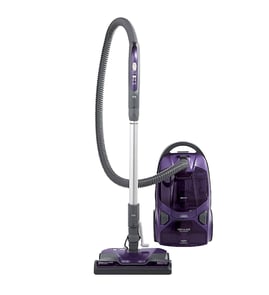


Does the Kenmore vacuum 400 series bagged canister have a retractable cord?
Yes. The Kenmore canister vacuum model 12581414610 uses a cord reel, so the power cord retracts into the canister for storage; hold the plug while rewinding so it does not whip. For model-specific operating steps, follow the 12581414610 use and care guide.
How to retract the cord safely
- Turn the vacuum off and unplug it from the outlet.
- Keep the cord straight and free of tangles.
- Press the cord rewind control (cord reel).
- Hold the plug as the cord rewinds so it does not snap back.
- Stop rewinding if the cord binds; pull out a little cord and try again.
What “retractable cord” means on this model
On 12581414610, “retractable” refers to a spring-loaded cord reel inside the canister that winds the cord back in. This is different from a manual wrap system where you loop the cord around hooks.
| Feature | Retractable cord reel | Manual cord wrap |
|---|---|---|
| Storage | Cord winds inside canister | Cord wraps on exterior hooks |
| Common issue | Plug can whip if not held | Cord can slip off hooks |
| Convenience | Faster put-away | Slower put-away |
If the cord will not retract (quick checks)
- Check for a kinked cord near the canister entry point.
- Pull the cord out 1 to 2 feet, then try rewinding again.
- Inspect the plug end for damage that could catch.
- If the reel runs but slips, the internal rewind mechanism may be worn and typically requires repair.
Why it matters
A working retractable cord helps prevent cord damage, reduces trip hazards during storage, and keeps the canister vacuum easier to put away after cleaning.
Last updated: February 2026
How long do Kenmore canister vacuums last?
Most Kenmore canister vacuums last 8 to 12 years with normal household use and routine maintenance. For Kenmore model 12581414610, keeping airflow strong (clean filters, clear clogs, replace wear items like belts and brush rolls) is what most directly extends service life; see the 12581414610 use & care guide.
Typical lifespan and what changes it
A canister vacuum’s life is usually limited by motor wear, overheating events, and neglected airflow restrictions.
- Longer life when you replace bags/filters on time and keep the hose and wands clear
- Shorter life when you run with restricted airflow (full bag, clogged filter, blocked nozzle)
- Brush roll and belt wear can reduce cleaning performance long before the motor fails
- Overheating trips (thermal protector) are a sign to correct airflow problems immediately
Quick maintenance schedule (simple and effective)
Use this as a practical baseline; follow your manual for the exact intervals and steps.
| Item | What to do | Why it helps lifespan |
|---|---|---|
| Bag and airflow path | Replace bag when full; remove clogs | Prevents overheating and motor strain |
| Filters | Clean or replace when dirty | Maintains suction and cooling airflow |
| Power nozzle brush roll | Remove hair and string regularly | Reduces load on the nozzle drive |
| Belt | Replace if stretched, slipping, or broken | Restores agitation and reduces drag |
Parts that commonly wear out first
These are normal wear items; replacing them on time keeps the vacuum performing like it should.
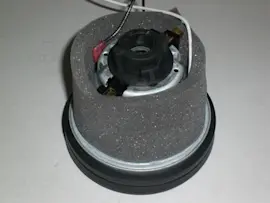
- Vacuum foam filter 4370713 (restricted filters reduce suction and cooling airflow)
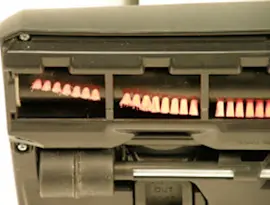
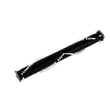
- Vacuum beater bar KC84REEJZ000 (worn bristles reduce carpet cleaning)
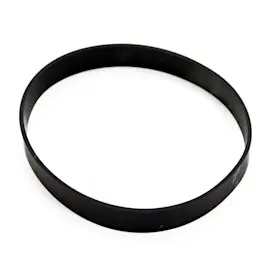
- Vacuum beater bar belt KC28SBZTZ000 (slipping belt reduces brush roll speed)
Why it matters
Strong airflow is both cleaning power and motor cooling. Your 12581414610 includes a thermal protector that can shut the motor off if airflow is blocked; preventing repeated overheating events is one of the best ways to get the full 8 to 12 years.
Last updated: February 2026
What are the disadvantages of a canister vacuum?
Canister vacuums like the Kenmore 12581414610 clean very well, but the tradeoffs are portability and convenience: you pull a separate canister behind you, manage a hose and wand, and store more pieces. They also need routine bag and filter care to keep airflow strong (see the 12581414610 owner's manual).
Common disadvantages (what owners notice most)
- Bulkier to store: You store a canister plus hose, wand, and floor nozzle.
- More to maneuver: The canister can bump furniture or snag on corners and thick rugs.
- Less “grab-and-go”: Quick cleanups can feel slower because you assemble attachments and manage the cord.
- More bending and pulling: Dragging the canister and repositioning the hose can be tiring in tight spaces.
- Ongoing maintenance: Bags and filters must be checked; restricted airflow reduces pickup.
Performance downsides tied to airflow and clogs
Your Kenmore canister relies on open airflow paths. When airflow is restricted, suction drops and the check-bag indicator can change color.
What to check first (in order):
- Dust bag condition and seating
- Motor safety filter and exhaust filter cleanliness
- Hose, wand, and nozzle for clogs
- Power nozzle agitator area for debris buildup
| Symptom | What it feels like | Most common cause |
|---|---|---|
| Weak pickup | Leaves lint behind | Full bag or dirty filter |
| Intermittent power nozzle | Brush stops but canister runs | Agitator jam or overload trip |
| Hard to push on carpet | “Sticking” or dragging | Height setting, brush roll drag, or debris |
Why it matters
Most “canister vacuum disadvantages” come down to convenience and upkeep. If we keep the bag, filters, and brush path clean, a canister vacuum typically delivers strong suction and great edge cleaning, but it still takes more handling than an upright.
Last updated: February 2026
What is the best canister vacuum on the market today?
There is no single “best” canister vacuum for everyone; the best choice depends on your flooring, pets, allergies, and whether you prefer bagged or bagless. If you already own the Kenmore canister vacuum model 12581414610, keeping it maintained (bag changes, filters, and clog checks) delivers strong day-to-day performance. See the 12581414610 owner's manual for the exact care steps and features.
How we recommend choosing the “best” canister vacuum
Use these factors to match a vacuum to your home and cleaning habits:
- Flooring mix: hard floors vs. carpet; carpet usually benefits from a powered nozzle and brush roll
- Allergies: look for sealed filtration and HEPA-level exhaust filtration
- Pets: prioritize strong agitation, easy hair removal from the brush roll, and clog resistance
- Bagged vs. bagless: bagged is typically cleaner for disposal; bagless avoids ongoing bag purchases
- Noise and handling: canister weight, hose reach, wand comfort, and swivel steering
What “best” looks like by shopper type
| If you care most about... | What to prioritize | Typical result |
|---|---|---|
| Deep carpet cleaning | Powered nozzle, brush roll, strong airflow | Better pickup in carpet pile |
| Hard floors and area rugs | Floor brush, suction control | Less scatter, better control |
| Low-maintenance ownership | Easy bag access, simple filter service | More consistent suction |
| Pet hair | Brush roll design, easy clog access | Fewer tangles and stalls |
Getting top performance from your Kenmore 12581414610
A “best vacuum” is often the one that is maintained correctly. For this Kenmore model, we focus on the same items the manual calls out for poor suction and airflow restriction:
- Change the dust bag when full; the check bag indicator can also come on when airflow is blocked
- Check for clogs in the hose, wand, and airflow passages
- Clean or replace filters when dirty (motor safety filter and exhaust filter)
- Keep the PowerMate belt path and agitator area clear of string and debris
- Replace worn brush roll and belt when agitation drops
If the brush roll is not cleaning like it used to, common wear items include the vacuum beater bar KC84REEJZ000 and the vacuum beater bar belt KC28SBZTZ000.
Why it matters
Canister vacuums lose cleaning power most often from restricted airflow (full bag, dirty filters, or a clog) or reduced agitation (worn belt or beater bar). Fixing those basics restores suction and pickup without replacing the entire vacuum.
Last updated: February 2026
What model is my Kenmore vacuum?
Your Kenmore canister vacuum’s model number is printed on the Model and Serial Number Plate on the vacuum. For model 12581414610, the Use & Care Guide also shows the model as 125.81414610, which is the same model number with a dot format.
Where to find the model number on the vacuum
We recommend checking these common locations first:
- On the canister body near the hood or rear area
- On the underside of the canister (bottom plate)
- Near the cord rewind area or power cord entry point
- Inside the canister hood area (open the hood and look around the rim)
- On the original carton label (if you still have the packaging)
For the exact plate location and how Kenmore formats the number, use the 12581414610 owner’s manual.
How to read the number you find
Kenmore model numbers are often printed in more than one style. Here is what to look for:
| What you see on the label | What it means | What to use for parts |
|---|---|---|
| 12581414610 | Standard model number format | 12581414610 |
| 125.81414610 | Same model number with dot separators | 12581414610 |
| Serial number (letters and numbers) | Identifies your specific unit | Keep for service records |
Why it matters for parts and troubleshooting
Using the exact model number helps us match the correct Kenmore parts and diagrams for your canister vacuum, especially for items that vary by version.
- Filters and dust bag related parts can differ by model series
- Power nozzle parts (like a beater bar or belt) are model-specific
- Hose and wand connections can vary by revision
If you are replacing a worn brush roll or belt on this model, common related parts include the vacuum beater bar KC84REEJZ000 and the vacuum beater bar belt KC28SBZTZ000.
Last updated: February 2026
Where to find model number on Kenmore canister vacuum?
On Kenmore canister vacuum model 12581414610, the model number is printed on the Model and Serial Number Plate on the vacuum. We recommend writing down both the model and serial number before ordering parts or calling for help; you will be asked for both.
Where to look on the vacuum
Check these common locations first (the plate is a label or small metal tag):
- On the canister body, near the rear wheels or bottom edge
- On the underside of the canister (tip the unit carefully to view)
- Near the cord reel area or cord exit point
- Inside the bag compartment cover area (near the bag mount)
- Along the back or side panel of the canister housing
For a diagram of parts and features that helps you identify the canister sections, use the owner's manual.
What to record (and why)
Having the full information prevents ordering the wrong Kenmore parts, filters, or attachments.
| What to record | Example for this vacuum | Why it matters |
|---|---|---|
| Model number | 12581414610 | Matches the correct parts list and diagrams |
| Serial number | (varies by unit) | Helps identify production details when getting support |
| Purchase date | (your date) | Useful for service history and reference |
Tips for reading the label
- Use a flashlight; the plate is often in a shaded spot.
- Wipe dust off the label with a dry cloth so the digits are clear.
- Copy the number exactly, including periods or dashes if shown.
- If the label is worn, take a close-up photo and zoom in.
Why it matters
Kenmore canister vacuums can look similar across model series, but parts like bags, filters, and PowerMate components are model-specific. Using the exact model number keeps your replacement parts accurate and avoids returns.
Last updated: February 2026
Who makes Kenmore canister vacuums now?
Kenmore is a brand name, so the company that manufactures a Kenmore canister vacuum can vary by model and production run. For Kenmore model 12581414610, use the product identification details in the 12581414610 owner's manual to match the correct parts and support information for your exact vacuum.
How to identify the manufacturer for your specific Kenmore model
We recommend using the model and serial number plate on the vacuum (the manual notes you will need the complete model and serial numbers when requesting information).
- Locate the model and serial number plate on the canister
- Record the full model number (12581414610) and the serial number
- Check the rating label for additional identifiers (factory code, production code, or supplier code)
- Use the manual’s help line information if you need model-specific support
- When ordering parts, match by model number first, then confirm the part ID
Why the “maker” can differ across Kenmore vacuums
Kenmore has sourced vacuums from different manufacturers over time. That is why two Kenmore canister vacuums can look similar but use different hoses, wands, filters, or PowerMate components.
| What you have | What it tells you | Why it matters |
|---|---|---|
| Model number (12581414610) | Exact product family | Ensures correct diagrams and parts |
| Serial number | Production run details | Helps confirm revisions/compatibility |
| Part ID (example: KC28SBZTZ000) | Exact replacement identifier | Prevents ordering the wrong part |
Parts compatibility matters more than the brand’s supplier
Even when the original manufacturer changes, the practical goal is getting the right fit and function for your vacuum’s cleaning head, airflow path, and filtration.
Common examples on this model include:
- Brush roll and belt wear items (PowerMate performance)
- Filters that affect suction and motor protection
- Hose and wand components that affect airflow and electrical connections
If you are troubleshooting poor agitation on carpet, the vacuum beater bar belt KC28SBZTZ000 is a common wear item to check alongside the brush roll.
Why it matters
Knowing who “makes” Kenmore today is less important than identifying your exact model and serial number; that is what determines the correct Kenmore parts, warranty coverage terms, and the right repair steps.
Last updated: February 2026