Owner’s manual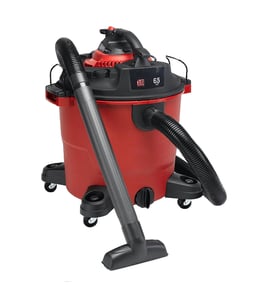





Where to find model number on Craftsman Wet-Dry Vac?
On the Craftsman 12504267621-3 5-gallon wet/dry vacuum, the model number is typically printed on the product rating label (often a gray sticker) on the lid or upper tank area. Look for a line that starts with “MOD” or “Model” followed by the number.
Where to check on the vacuum
Most Craftsman wet/dry vacs place the model/serial label in one of these spots:
- On the lid near the handle or power switch area
- On the upper tank (motor head) near the cord wrap
- On the back side of the tank near the hose port
- Under the lid lip where it meets the tank
- On the bottom of the tank (less common)
What the label usually looks like
The label is usually a small sticker or plate with several fields. Here is what to look for:
| Label field | What it means | What to copy |
|---|---|---|
| MOD / Model | Model identifier | 12504267621-3 |
| Serial / S/N | Unit-specific serial number | Optional for parts |
| Volts / Amps | Electrical rating | Not needed for parts |
Why the model number matters
We use the model number to match the correct diagrams and parts for your exact vacuum version. That helps you avoid ordering a similar-looking part that does not fit.
If the label is missing or unreadable
Use these practical options to identify the unit:
- Check your original paperwork and compare it to the 12504267621-3 owner’s manual
- Look for a partial imprint or “shadow” where the sticker used to be on the lid
- Match key components to diagrams by confirming a known part, such as the float 551005103
Last updated: January 2026
How long does a wet-dry vacuum last?
A Craftsman 5-gallon wet/dry vacuum like model 12504267621-3 typically lasts 5 to 7 years with regular use and basic maintenance; many last longer when filters are kept clean, airflow stays unrestricted, and wet pickups are handled correctly per the 12504267621-3 owner's manual.
Typical lifespan and what affects it
Wet/dry vac life is mostly driven by motor load, filtration, and how often it ingests fine dust or liquids.
- Light DIY use (garage, car, small messes): often 7+ years
- Frequent shop use (sawdust, drywall dust): often 3 to 6 years
- Wet pickup habits: frequent wet use without proper float function can shorten life
- Storage and cord care: heat, kinks, and drops add wear
Signs it is nearing end of life
If these keep happening after basic cleaning and checks, replacement or repair is usually the next step.
- Noticeably reduced suction even with an empty tank
- Motor surging or cutting out during use
- Burning smell or excessive heat at the motor housing
- Unusual noise (grinding, rattling) that is new
- Frequent clogging from fine dust
Quick maintenance that extends lifespan
These steps reduce motor strain and help maintain suction.
- Empty the tank before debris reaches the intake level
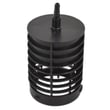
- Keep the filter area clean; inspect the filter cage for damage or looseness
- Confirm the float moves freely for wet pickup; replace a sticking float with the float 551005103
- Check hoses and wands for blockages; remove packed debris
- Let the unit dry after wet pickup to prevent odor and corrosion
Common “symptom to fix” guide
| Symptom | Most common cause | What to do first |
|---|---|---|
| Weak suction | Clog or restricted airflow | Clear hose/wand, empty tank, clean filter area |
| Shuts off during wet pickup | Float closing due to high water level | Empty tank, verify float movement |
| Loud rattling | Loose internal component or debris in airflow path | Inspect tank inlet, hose, and attachments |
Why it matters
A wet/dry vacuum that is kept flowing freely (clean tank, clear hose, working float, intact filter support) runs cooler and draws less strain on the motor, which is the biggest factor in how long model 12504267621-3 will last.
Last updated: January 2026
What is the best wet-dry vacuum to buy?
For most homeowners, the “best” wet-dry vacuum is the one that matches your cleanup size and how often you use it. If you already own the Craftsman model 12504267621-3 (a 5-gallon wet/dry vacuum), it is a strong choice for small-to-medium messes when it has the right filter setup and the float system is working correctly; see the 12504267621-3 owner's manual for recommended configurations.
How to choose the right wet/dry vacuum
Focus on these practical factors first:
- Tank size (gallons): 5-gallon units are easier to store; 12 to 16-gallon units reduce dump trips.
- Suction and airflow: Look for strong pickup for sawdust, drywall dust, and wet spills.
- Filter system: Fine dust needs a properly seated filter and cage; wet pickup needs the correct setup.
- Hose and wand reach: Longer reach reduces moving the canister; extensions help floors and ceilings.
- Mobility: Casters matter if you roll it around a garage or shop.
- Noise and duty cycle: Frequent shop use benefits from a more robust motor and cooling.
Quick match guide (common use cases)
| Your main job | Best fit | Why |
|---|---|---|
| Small garage, car interior, quick spills | 5 to 6-gallon wet/dry vacuum | Compact, fast setup, easy storage |
| Woodworking and renovation cleanup | 12 to 16-gallon wet/dry vacuum | Fewer empty-outs, better for heavy debris |
| Mostly wet pickup (flooded area, large spills) | Larger tank + reliable float shutoff | More capacity and safer wet operation |
If you already have Craftsman 12504267621-3, make it perform like “the best”
A lot of “my shop vac is weak” complaints come down to airflow restrictions or incorrect wet/dry setup. We recommend these checks:
- Clean and correctly reinstall the shop vacuum filter cage assembly 551006104 so the filter seats evenly.
- Confirm the float 551005103 moves freely; a stuck float can reduce suction or shut off wet pickup.
- Inspect the hose and wand for clogs; even a small blockage kills airflow.
- Check the lid seal and canister rim for cracks or debris that cause air leaks.
- Empty the tank before it gets too full; debris can obstruct the inlet.
Why it matters
Choosing the right capacity and keeping the filter cage, float, and seals in good shape prevents suction loss, protects the motor during wet pickup, and reduces downtime when you are cleaning up sawdust, ash-like dust, or water.
Last updated: January 2026