Owner’s manual
 View engine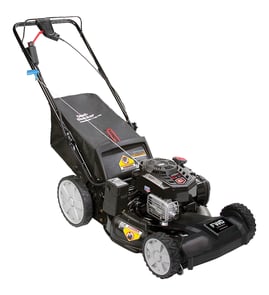



How much does it cost to repair a hydrostatic transmission on a lawn mower?
A hydrostatic transmission repair is typically a riding-mower cost; your Craftsman 917377520 is a walk-behind rotary lawn mower and does not use a hydrostatic transmission. For hydrostatic riding mowers, repairs commonly range from a fluid service or linkage fix to a full transaxle replacement, which is the highest-cost scenario.
Typical cost ranges (hydrostatic riding mowers)
Hydrostatic systems vary by brand and design, but these ranges are common in the field.
- Basic service (fluid, filter, purge, adjustments): about $150 to $400
- Drive belt and pulley related repairs: about $100 to $350 (plus parts)
- Hydrostatic transaxle replacement (parts only): about $700 to $1,300
- Replacement installed by a pro (parts + labor): about $1,500 to $2,500
What affects the price most
- Whether the issue is external (belt, idler, linkage) or internal (pump/motor wear)
- If the unit is serviceable (fluid/filter) or sealed (often replaced as an assembly)
- Labor time to remove the transaxle (varies by mower frame and deck layout)
- Collateral wear (axle seals, pulleys, mounting hardware)
Quick comparison: hydrostatic vs your walk-behind drive
| Feature | Hydrostatic riding mower | Craftsman 917377520 walk-behind |
|---|---|---|
| Drive type | Pump and hydraulic motor | Belt-driven self-propel system |
| Common “won’t move” causes | Low fluid, air in system, worn pump | Worn belt, worn drive control, debris in drive |
| Typical fix | Service or replace transaxle | Replace belt or drive control |
Why it matters
If a mower “won’t move,” it is easy to assume the transmission failed. On the 917377520, the most common causes are in the self-propel drive system, not a hydrostatic unit. Checking the drive belt condition and control operation first usually saves time and money.
Helpful DIY resources
- Use our owner's manual to identify the drive system and maintenance points for the 917377520.
- If your walk-behind mower will not self-propel, follow the steps in lawn mower wont move troubleshooting video motion drive failure.
Last updated: February 2026
Should I use 87 or 89 gas for lawn mower?
For your Craftsman rotary lawn mower model 917377520, use regular unleaded gasoline (87 octane). Higher octane (89) does not improve performance in a typical small mower engine; the bigger priority is using fresh, clean fuel and handling it safely as described in the owner's manual.
What to use (and what to avoid)
- Use 87 octane unleaded from a busy station (fresher fuel).
- Use fresh gasoline; stale fuel is a common no-start cause.
- Keep the fuel container clean to prevent dirt or rust from getting into the tank.
- Avoid storing the mower indoors with gasoline in the tank where fumes could reach a flame or spark.
- Clean up spills before starting the engine and let a hot engine cool before refueling.
87 vs 89: quick comparison
| Fuel choice | Works in model 917377520? | When it makes sense | What matters more |
|---|---|---|---|
| 87 octane (regular) | Yes | Normal mowing and storage routines | Freshness, clean container, safe handling |
| 89 octane (mid-grade) | Yes, but unnecessary | Only if 87 is unavailable | Freshness, clean container, safe handling |
Why it matters
Most mower starting and running complaints come from fuel quality and storage, not octane. The manual troubleshooting guidance points to issues like stale fuel and water in fuel as common reasons a mower will not start, so choosing fresh gas and storing it correctly prevents downtime.
If the mower will not start after refueling
Check these common items first:
- Confirm you actually have fuel in the tank.
- If fuel is old, drain and refill with fresh gasoline.
- If you suspect water in fuel, drain the tank and carburetor, then refill.
- Check the spark plug wire connection.
- Inspect the blade area for a loose blade or damaged adapter (it can affect starting and safety).
Last updated: February 2026
What are the most common lawn mower repairs?
The most common repairs on a Craftsman rotary lawn mower like model 917377520 involve basic tune-up and wear items: fixing no-start conditions, restoring power, stopping surging, and correcting vibration or poor cutting. These problems usually trace back to fuel, ignition, airflow, or blade and drive components.
Most common repairs we see
- Won’t start or hard starting: old fuel, dirty carburetor passages, fouled spark plug, clogged air filter
- Runs rough or surges: restricted fuel flow, dirty carburetor, air leak, partially clogged filter
- Loss of power or stalling in grass: dull blade, clogged deck, dirty air filter, fuel restriction
- Excessive vibration: bent/damaged blade, loose blade hardware, damaged blade adapter
- Self-propel won’t pull or slips: worn/stretched drive belt, worn gears, drive control issues
Quick checks before you buy parts
- Shut the engine off, let all moving parts stop, then disconnect the spark plug wire (per the owner's manual).
- Confirm the blade is tight and not bent; replace if nicked, cracked, or badly worn.
- Check for grass buildup under the deck; heavy buildup can mimic power loss.
- Inspect the drive system for belt wear, glazing, or slack.
Parts that commonly solve these issues (when worn)
| Symptom | Common fix | Example part for this model |
|---|---|---|
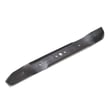
| Poor cut, vibration | Replace blade and inspect adapter | Lawn mower mulching blade 532406713 |
| Self-propel slips or won’t move | Replace drive belt | Belt 532157769 |
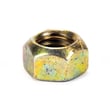
| Blade won’t stay tight | Replace locking hardware as needed | Lock nut 596322601 |
Why it matters
These repairs are mostly preventative maintenance. Replacing wear parts on schedule helps your 22-inch deck cut cleaner, reduces engine strain, and prevents damage from running with a loose or unbalanced blade.
Last updated: February 2026
What year is Craftsman Model 917377520?
Craftsman model 917377520 is identified by its model number, but the year of manufacture is determined from the serial number date code on the mower, not from the model number itself. You can find the serial decal on the rear of the mower housing and decode it using the owner's manual.
Where to find the date information
Look for the model and serial number decal:
- Location: rear of the lawn mower housing
- It lists the model number and serial number
- Record the serial number for future parts lookup and service history
How to decode the year from the serial number
Many Craftsman walk-behind mowers use a serial number format that includes a date code. Use this quick checklist:
- Find the serial number on the rear decal
- Look for a 6-digit date-style sequence within the serial number
- Decode it as MMDDYY (month, day, year)
- Example: 072811 = July 28, 2011
Date-code example table
| Code format | What it means | Example | Result |
|---|---|---|---|
| MMDDYY | Month, day, year | 072811 | July 28, 2011 |
| MMDDYY | Month, day, year | 031205 | March 12, 2005 |
Why it matters
The build date helps us match the correct parts and specs for your mower, especially for items that can vary by production run (drive components, control cables, and deck hardware). Once you have the serial number, you can confidently select parts like the lawn mower mulching blade 532406713 or belt 532157769 that fit your 917377520.
Helpful tips while you are checking the decal
- Clean the decal area gently so the numbers are readable
- Write the serial number down exactly as shown
- Keep the date of purchase noted for maintenance tracking
- Use the manual specs for service items like oil type and blade bolt torque
Last updated: February 2026