Owner’s manual
 Error Codes


Do I need a 20 or 30 amp breaker for a water heater?
For the Kenmore 153320892HT electric water heater, the breaker size depends on the element wattage configuration: 20 amps for 3800W operation (with 12 AWG copper wire) or 30 amps for 5500W operation (with 10 AWG copper wire). Confirm your heater’s rating plate and follow the wiring chart in the owner's manual.
Use the water heater’s element wattage and the matching wire gauge. This model family supports both 3800W and a 5500W conversion for the lower element.
- 3800W setup (typical): 20-amp, 2-pole breaker; 12 AWG copper
- 5500W conversion: 30-amp, 2-pole breaker; 10 AWG copper
- Match breaker size to wire size (breaker protects the wire)
- Use a dedicated circuit for the water heater
- If the run is over 90 feet, wire sizing can change; follow local electrical code guidance
| Element wattage at 240V | Minimum copper wire size | Maximum breaker size |
|---|---|---|
| 3800W | 12 AWG | 20A |
| 5500W (lower element conversion) | 10 AWG | 30A |
An undersized breaker can trip repeatedly and leave you with no hot water; an oversized breaker can fail to protect the wiring, increasing the risk of overheated wires and damage. Correct breaker and wire sizing also helps the thermostats and heating elements operate reliably.
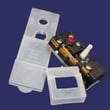
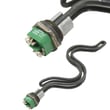
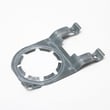
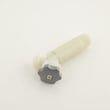
If you are troubleshooting “no hot water” or slow recovery after confirming the breaker is correct, these model-matched parts are commonly involved:
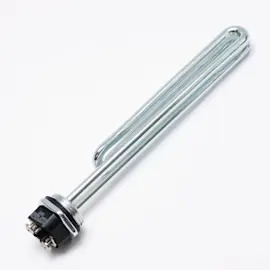
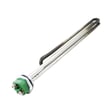
- Element 100108346 (heating element)
- Element 100093526 (heating element)
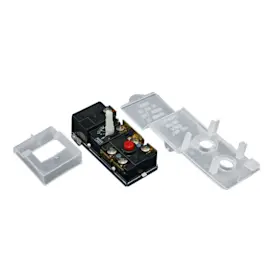
- Water heater thermostat 100108683 (upper thermostat)
- Water heater adjustment knob 100108781 (temperature control knob)
Last updated: February 2026
What's the difference between a 4500 watt and a 5500 watt hot water heater?
A 5500-watt electric water heater (or element setting) heats water faster than a 4500-watt setup, so you get quicker recovery after showers and heavy use. On the Kenmore 153320892HT, the lower element is convertible up to 5500 watts on a 240-volt system; the tradeoff is higher electrical demand.
- Recovery time: 5500W restores hot water faster after the tank is drawn down.
- Electrical load: higher wattage pulls more amps, so wiring and breaker sizing matter.
- Element compatibility: your heater must be designed for that wattage (or have a convertible element).
- Operating cost: cost per gallon heated is similar; 5500W mainly changes how fast energy is delivered.
- Heat output feel: you do not get “hotter” water just from wattage; temperature is controlled by the thermostat.
This model is factory set to run at 3800 watts, and the lower element can be converted to 5500 watts on 240 volts. Before converting, the manual calls out these requirements:
| Setting | Voltage | Typical circuit requirement | What you gain |
|---|---|---|---|
| Lower element at 3800W (factory) | 240V | Lighter electrical demand | Standard recovery |
| Lower element at 5500W (converted) | 240V | 30A circuit with 10 AWG wiring | Faster recovery |
For the exact conversion steps and safety notes, follow the owner's manual.
Use the rating plate and whether the heater was converted:
- If you need a replacement 3800W, 240V element, use element 100108346.
- If the heater was converted to 5500W, use element 100093526.
- Replace the element seal if it is disturbed or leaking; use water heater heating element gasket 100108379.
Wattage affects how quickly your Kenmore Power Miser 12 electric water heater can recover, but it also determines whether your home’s electrical circuit (breaker size and wire gauge) can safely support that faster recovery.
Last updated: February 2026
What is the life expectancy of a Kenmore water heater?
Most Kenmore electric water heaters, including model 153320892HT, typically last 8 to 12 years. Lifespan depends most on water quality, how much sediment builds up in the tank, and whether key wear items like the anode rod and heating elements are maintained.
- Water hardness and sediment: more minerals means faster buildup and more strain on the elements.
- Anode rod condition: a depleted anode rod speeds up tank corrosion.
- Operating temperature: higher thermostat settings increase wear and scale.
- Leak history: recurring leaks at fittings or the drain valve can lead to corrosion and damage.
- Maintenance habits: periodic draining and inspection helps prevent premature failure.
We recommend using the maintenance steps and safety notes in your owner's manual.
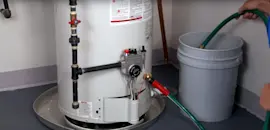
- Flush a few gallons from the drain valve periodically to reduce sediment.
- Inspect and replace the anode rod when it is heavily worn.
- If hot water is slow to recover, test the thermostats and elements.
- Replace element seals if you see seepage around an element.
- Keep access panels and insulation properly in place after service.
| Symptom | Likely area to check | Example part for this model |
|---|---|---|
| Not enough hot water | Heating element, thermostat | Element 100108346, water heater thermostat 100108683 |
| Water around element cover | Element gasket | Water heater heating element gasket 100108379 |
| Rumbling or popping | Sediment buildup | Drain and flush per owner's manual |
| Slow hot water delivery | Dip tube | Water heater dip tube 100108708 |
A water heater usually fails from tank corrosion or overheating caused by sediment. Replacing wear parts (especially the anode rod) and keeping sediment under control helps protect the tank, which is the most expensive component.
Last updated: February 2026
What is usually the most common water heater problem?
For the Kenmore 153320892HT electric water heater, the most common problems we see are not enough hot water (often tied to a heating element or thermostat issue) and noise from sediment buildup in the tank. Both problems reduce efficiency and can make recovery time much longer; check the owner's manual for model-specific troubleshooting steps.
- No hot water or not enough hot water: slow recovery, lukewarm water, or hot water runs out quickly.
- Rumbling or popping sounds: sediment on the bottom of the tank heating up and releasing bubbles.
- Water too hot: thermostat set too high or thermostat not regulating correctly.
- Rotten egg smell: water chemistry reacting with the anode rod.
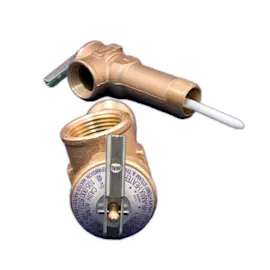
- Dripping from the temperature-pressure relief valve: pressure issues, sometimes related to thermal expansion.
Before any inspection behind access panels, turn power OFF at the breaker (electric shock hazard).
- Confirm the disconnect switch (if present) is ON and the home’s power is not interrupted.
- Verify the thermostats are set to the desired temperature.
- If you had very hot water and then none, check for a high-temperature shutoff condition (reset procedure is in the manual).
- In cold weather, expect longer heat-up time because incoming water is colder.
- Look for plumbing leaks at fixtures or piping that can mimic “no hot water.”
If troubleshooting points to a failed component, these are common replacements listed for model 153320892HT:
| Symptom | Likely part area | Example part on this model |
|---|---|---|
| No/low hot water | Heating circuit | Element 100108346 or element 100093526 |
| Water temp swings | Temperature control | Water heater thermostat 100108683 |
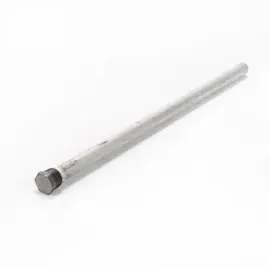
| Rotten egg odor | Corrosion protection | Anode rod 100108660 |
Sediment buildup and failing electrical controls force the heater to run longer, waste energy, and can trigger nuisance shutoffs. Catching the cause early helps restore normal hot water and reduces strain on the tank.
Last updated: February 2026
What is the average cost of a 50 gallon electric water heater?
A typical 50-gallon electric tank water heater costs $400 to $1,000 for the unit, and $2,000 to $3,200 for a common installed total (labor plus basic materials). Your Kenmore 153320892HT is an 80-gallon Power Miser 12 electric water heater; use the owner's manual to match capacity and electrical configuration before budgeting.
- Tank size: 50-gallon vs. larger tanks (larger usually costs more)
- Heater type: standard electric tank vs. heat pump (heat pump costs more)
- Electrical work: breaker, wiring, disconnect, or element wattage conversion
- Plumbing updates: shutoff valve, expansion tank, piping changes
- Permits and local labor rates: varies by area and job complexity
| Cost item | Typical range | What it includes |
|---|---|---|
| 50-gallon electric tank (unit only) | $400 to $1,000 | Standard residential tank-style electric heater |
| Heat pump water heater (unit only) | $2,000+ | Higher efficiency, higher upfront cost |
| Installed total (50-gallon electric tank) | $2,000 to $3,200 | Labor plus common fittings and hookup materials |
Because 153320892HT is an 80-gallon model, replacement pricing typically runs higher than a 50-gallon unit. If you are repairing instead of replacing, the manual’s parts information for this model family calls out element options based on whether the heater was converted to a higher wattage.
Common repair parts for “no hot water” or “not enough hot water” include:
- Element 100108346 (replacement element option)
- Element 100093526 (replacement element option)
- Water heater thermostat 100108683
Choosing the correct capacity and electrical rating helps avoid slow recovery, nuisance breaker trips, and premature heating element wear. Confirming your configuration first also prevents ordering the wrong element wattage.
Last updated: February 2026