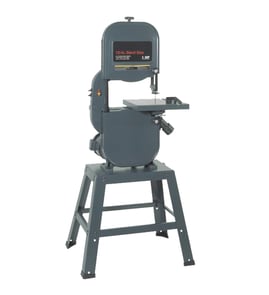

How much does a Delta 28 203 weight?
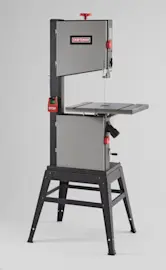
The Delta 28-203 14-inch wood cutting band saw typically weighs about 250 to 257 lb, depending on the exact stand, motor, and accessories installed. That heavier weight is normal for a 14-inch cast-iron style band saw and helps it cut smoothly with less vibration.
What affects the weight on a Delta 28-203?
A small range is common because band saws are often configured a few different ways.
- Stand type (open stand vs. enclosed cabinet style)
- Motor size and mounting (some setups use different motors)
- Fence, miter gauge, and extension table installed
- Dust collection port or aftermarket guards
- Mobile base added under the saw
Quick reference
| Item | Typical weight impact | What to expect |
|---|---|---|
| Base saw and stand | Highest | Most of the 250 to 257 lb total |
| Motor | Medium | Can shift weight slightly |
| Fence and table add-ons | Low | Usually only a few pounds |
| Mobile base | Low to medium | Adds weight but improves moving |
Why it matters
Knowing the weight helps us plan safe moving and setup. A 250+ lb band saw like the Delta 28-203 is stable for resawing and curve cuts, but it also needs a solid floor, a safe lifting plan, and the right transport method.
Safe moving and setup tips
- Unplug power and remove the blade before moving.
- Lower the upper blade guide and lock the table tilt.
- Remove accessories (fence, miter gauge) to reduce shifting weight.
- Use a dolly or hand truck rated above 300 lb.
- Move with at least two adults; keep the saw upright to avoid tipping.
For more help identifying the exact model tag before ordering parts or accessories, use how to find your appliance model number (and what it means for parts).
Last updated: February 2026
What is the 3-tooth rule for bandsaws?
The 3-tooth rule is a bandsaw blade selection guideline: when cutting on your Delta 28-203 14-inch wood cutting band saw, you want at least 3 teeth in the cut at all times so the blade tracks smoothly and the teeth do not snag, strip, or break.
How to apply the 3-tooth rule (quick steps)
- Measure the material thickness (the direction the blade teeth travel through).
- Choose a blade TPI (teeth per inch) so about 3 to 6 teeth are engaged in the cut.
- For thicker stock, use a lower TPI (coarser teeth) for better chip clearance.
- For thin stock, use a higher TPI (finer teeth) to keep enough teeth engaged.
- If the cut burns, wanders, or chatters, re-check TPI, blade tension, and guide setup.
Simple TPI selection examples
| Material thickness (approx.) | Typical blade choice | What you are preventing |
|---|---|---|
| 1/8 in. to 1/4 in. | 14 to 18 TPI | Tooth snagging and vibration |
| 3/8 in. to 1 in. | 6 to 10 TPI | Rough cut and poor tracking |
| 1 in. to 4 in. | 3 to 6 TPI | Packed gullets and overheating |
Why it matters
Keeping at least three teeth engaged spreads cutting forces across multiple teeth. That improves control, helps the gullets carry sawdust out of the kerf, reduces blade wear, and gives you a cleaner cut on a 14-inch wood cutting band saw like the Delta 28-203.
Related DIY reading
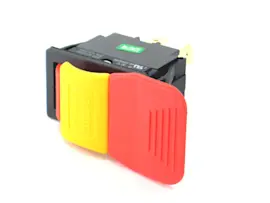
If you are also troubleshooting power, switches, or wiring on a band saw, use these basics to work safely and diagnose correctly:
Last updated: February 2026
Why are band saws so expensive?
Band saws cost more because you are paying for rigidity, accuracy, and durability: heavy frames (often cast iron or thick steel), precisely machined wheels and guides, a reliable motor and drive system, and safety-focused guarding. On a Delta 28-203 14-inch wood cutting band saw, those build-quality factors matter as much as cutting capacity.
What drives the price on a 14-inch wood band saw
- Heavy frame and trunnions: More mass reduces vibration and helps the saw track straight.
- Wheel and tire quality: Balanced wheels and good tires improve blade tracking and reduce flutter.
- Blade guide system: Better guides and bearings hold the blade steady during curves and resawing.
- Motor and electrical components: A dependable motor, switch, and wiring add cost but improve reliability.
- Fit and finish: Machined tables, accurate fences, and solid adjustments take time to manufacture.
Upfront price vs. total cost of ownership
Even if two saws look similar, long-term costs can differ based on how hard you run the saw and what you cut.
| Cost area | What you pay for | What it affects |
|---|---|---|
| Blades | Width, tooth count, and quality | Cut quality, drift, blade life |
| Wear items | Tires, guide bearings/blocks | Tracking stability, accuracy |
| Tune-ups | Alignment and adjustments | Vibration, straight cuts |
| Dust control | Hoses, fittings, cleanup time | Safety, visibility, bearing life |
How to get the most value from your band saw
- Match the blade to the job (narrow for curves, wider for straighter cuts and resawing).
- Keep tension and tracking set correctly before precision work.
- Set guides close to the blade without pinching; this reduces wandering.
- Clean pitch and sawdust buildup from the table and lower cabinet.
- Replace worn tires or guides early; worn parts make a good saw feel “cheap.”
Why it matters
A band saw that stays aligned and tracks consistently wastes fewer blades, cuts more accurately, and is safer to use. That is why higher-quality machines often cost more up front, especially when you factor in maintenance and consumables over time.
For help locating the correct model number when ordering parts or diagrams, use how to find your appliance model number (and what it means for parts).
Last updated: February 2026