View engine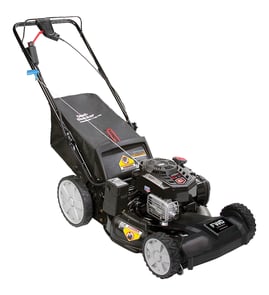



Should I use 87 or 89 gas for lawn mower?
For the Craftsman rotary lawn mower model 917377321, we use 87-octane unleaded gasoline (regular) for normal operation. Using 89-octane does not improve performance in typical walk-behind mower engines; the bigger priority is using fresh fuel and keeping ethanol content at 10% or less (E10).
- Octane: 87 (regular)
- Ethanol: E10 or less (avoid higher-ethanol blends)
- Fuel freshness: Use fuel that is 30 days old or less (or treat it with stabilizer)
- Storage: Store in an approved gas can, tightly sealed
- Mixing: Do not mix oil into the gas unless your engine is a 2-cycle (most are 4-cycle)
Small 4-cycle mower engines are designed to run on regular unleaded. Higher octane fuel mainly helps prevent knock in high-compression engines; it is not a “more powerful” fuel for most walk-behind mowers.
Ethanol-related fuel issues are a top cause of “won’t start” complaints after storage. Use these habits to reduce carburetor varnish and moisture problems:
- Buy only what you will use in a few weeks
- Add fuel stabilizer if fuel will sit more than 30 days
- Keep the tank and can caps tight to limit moisture absorption
- If storing for the season, run the engine dry or stabilize the fuel before storage
| Fuel choice | Works in most mowers? | When it makes sense |
|---|---|---|
| 87 octane (E10 or less) | Yes | Everyday mowing, best default |
| 89 octane (E10 or less) | Yes | Only if 87 is unavailable |
| E15/E85 | No | Avoid; can cause running and starting problems |
Using the right fuel helps the mower start easier, run smoother, and reduces carburetor and fuel-system problems that can lead to extra repairs.
For more seasonal fuel and storage best practices, follow our guide: how to winterize a lawn mower.
Last updated: February 2026
What year is Craftsman Model 917377321?
Craftsman model 917377321 is a model number, and it does not reliably encode the mower’s build year by itself. To identify the year, we use the product’s date code (typically found on the ID tag/label on the mower deck or frame) and decode that stamped number.
Look for a sticker or metal tag on the mower; common locations include:
- Top of the mower deck near the engine
- Rear of the deck near the bagger door
- Side of the deck near a rear wheel
- Handle bracket area (left or right side)
Once you find the tag, write down the serial/date code exactly as shown.
Many Craftsman outdoor power products use a 6-digit date code format that reads:
| Digits | Meaning | Example |
|---|---|---|
| 1-2 | Month (MM) | 07 = July |
| 3-4 | Day (DD) | 28 |
| 5-6 | Year (YY) | 11 = 2011 |
So a code like 072811 typically indicates July 28, 2011.
Knowing the build date helps us match the correct parts and revisions for your Craftsman rotary lawn mower, especially for wear items like the drive system and cutting components.
If you are ordering parts for model 917377321, these are common items where exact fit matters:
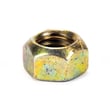
- Blade and blade mounting hardware
- Self-propel drive belt and pulleys
- Wheel, dust cover, and drive gears
- Height adjuster components
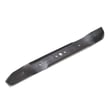
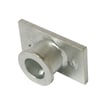
For example, if you are servicing the cutting system, match the blade and adapter to your mower’s setup: lawn mower mulching blade 532406713 and lawn mower blade adapter 581547901.
Last updated: February 2026
How many HP is a 170cc lawn mower?
A 170cc lawn mower engine is typically about 4 to 5 horsepower (HP) in real-world cutting conditions. On a Craftsman walk-behind mower like model 917377321, the exact HP rating depends on the engine’s RPM and torque curve, so cc is the more reliable way to compare engines.
Engine displacement (cc) tells you cylinder size, but horsepower depends on how the engine is tuned and tested.
Common factors that change the HP number:
- Governed engine speed (RPM) under load
- Torque output and where it peaks
- Carburetor and ignition tuning
- Emissions calibration
- How the manufacturer reports power (gross vs. net)
For walk-behind rotary mowers, these specs predict performance better than a single HP number:
- Engine cc (170cc is a solid mid-range size)
- Blade size and deck design (mulching vs. bagging)
- Blade condition (sharpness and balance)
- Drive system condition (belt and pulleys on self-propelled models)
If your mower is leaving uncut grass or bogging down, a fresh blade often makes the biggest difference; the lawn mower mulching blade 532406713 is a common wear item on this model.
| Engine size | Typical working HP range | Best for |
|---|---|---|
| 140 to 160cc | 3.5 to 4.5 HP | Smaller yards, lighter grass |
| 170cc | 4.0 to 5.0 HP | Average yards, mulching/bagging |
| 190 to 210cc | 5.0 to 6.5 HP | Thick grass, hills, heavy bagging |
HP is often used for marketing, but cc plus maintenance is what keeps a mower cutting strong. A sharp blade, clean deck, and a healthy drive system reduce strain on the engine and improve cut quality.
For blade service steps and safe removal tips, use our guide: how to sharpen a lawn mower blade.
Last updated: February 2026
Can I use gas from the gas station for my lawn mower?
Yes. Your Craftsman 917377321 rotary lawn mower runs on fresh, clean gasoline from a gas station; the key is using the right octane and keeping fuel from sitting long enough to varnish the carburetor and clog fuel passages.
- Use fresh unleaded gasoline (buy what you’ll use in the next 30 days).
- 87 octane is the normal choice for walk-behind mowers.
- Choose ethanol-free gas when it’s available; it stores better and reduces moisture issues.
- If you must use E10 (10% ethanol), treat it as short-storage fuel and don’t leave it in the tank over the off-season.
- Avoid old gas from cans that have been sitting for months.
Fuel problems usually show up after storage, not while you’re mowing.
- For storage longer than about 30 days, either:
- Run the tank low and add fuel stabilizer, then run the engine a few minutes to pull treated fuel into the carburetor, or
- Drain the tank and run the engine until it stops to reduce fuel left in the carburetor.
- Store gas in an approved container, tightly sealed, away from heat sources.
Common signs include hard starting, surging, stalling, or needing choke to keep running.
- Drain and replace with fresh fuel.
- Check for water or debris in the fuel.
- If the mower still won’t self-propel after fuel is corrected, inspect the drive system; a worn belt is common on walk-behind mowers (see belt 532157769).
Modern pump gas (especially ethanol blends) can absorb moisture and leave deposits as it ages. That buildup restricts carburetor jets and fuel flow, which is one of the most common reasons a mower won’t start after sitting.
| Situation | What we recommend | Why |
|---|---|---|
| Mowing weekly | Fresh 87 octane | Reliable starting and power |
| Fuel may sit 2 to 4 weeks | Add stabilizer | Slows oxidation and varnish |
| Off-season storage | Drain or stabilize and run | Prevents carburetor clogging |
For more prevention tips, use our guide: how to keep lawn mower gas from going bad.
Last updated: February 2026
What is the best gas lawn mower under $300?
For under $300, the best gas walk-behind mower is a simple, serviceable 21 to 22-inch machine that starts reliably and cuts cleanly. Your Craftsman model 917377321 is a self-propelled rotary mower; keeping the blade and drive system in top shape delivers the biggest real-world “best mower” improvement.
- Deck size: 21 to 22 inches for most small to mid-size lawns.
- Self-propelled drive: worth it for slopes, thicker grass, or larger yards.
- Mulching capability: reduces bagging and improves finish.
- Easy height adjustment: consistent cut height with less hassle.
- Parts availability: blade, belt, wheels, and hardware should be easy to replace.
| If your yard is… | Best choice under $300 | Why it works |
|---|---|---|
| Flat and small | Push mower | Lowest cost, fewer drive parts |
| Sloped or medium | Self-propelled mower | Less effort, steadier pace |
| Leaves lots of clippings | Mulching setup | Cleaner look, fewer bags |
A mower feels “better” when it cuts evenly and the self-propel drive pulls consistently. These are the most common fixes that restore performance:
- Replace a dull or bent blade with the lawn mower mulching blade 532406713.
- If the self-propelled drive slips or the mower will not move, inspect and replace the belt 532157769.
- If you have vibration, uneven cutting, or the blade seems to loosen repeatedly, inspect the lawn mower blade adapter 581547901.
Most complaints about “cheap mowers” come from a worn blade, slipping drive belt, or a damaged blade adapter. Restoring those wear items on a self-propelled Craftsman like 917377321 improves cut quality, traction, and engine load immediately.
For maintenance steps that keep cut quality high, follow how to sharpen a lawn mower blade.
Last updated: February 2026