Owner’s manual
 Error Codes


Are GE side-by-side refrigerators good?
GE side-by-side refrigerators like model GSS25GGHJCWW are a solid choice for everyday use because they typically deliver consistent cooling, easy access to fresh and frozen food, and convenient features such as an ice maker and water dispenser. For the best long-term results, proper setup and routine maintenance matter most; see the GSS25GGHJCWW owner’s manual for model-specific use and care.
Side-by-side refrigerators are popular because they balance storage and accessibility. In most homes, “good” comes down to temperature stability, usable shelf space, and how reliably the dispenser and ice maker work.
Common strengths
- Tall, easy-to-reach refrigerator section with adjustable shelves and door bins
- Separate freezer section that keeps frozen items organized vertically
- Built-in ice and water dispenser convenience
- Straightforward controls and everyday usability
Common tradeoffs
- Narrower shelf width than many French door models (wide platters can be tricky)
- Ice makers can sound loud during harvest cycles
- Dispenser performance depends heavily on water pressure and filter condition
Use these habits to get the best results from a GE side-by-side like GSS25GGHJCWW:
- Replace the water filter about every 6 months or sooner if flow slows
- Keep doors closing tightly; avoid overloading door bins
- Allow airflow around vents; do not block return ducts with food packages
- Set temperatures to safe, steady targets and avoid frequent changes
- Clean condenser area periodically to support efficient cooling
| Item | Good target | Why it matters |
|---|---|---|
| Fresh food temp | 37°F to 40°F | Food safety and freshness |
| Freezer temp | 0°F | Ice quality and frozen food life |
| Water pressure | 25 to 120 psi | Dispenser and ice maker fill reliability |
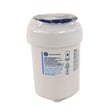
Most “bad refrigerator” complaints trace back to setup, airflow, or water system maintenance. A fresh filter and correct water pressure help the dispenser and ice maker work consistently; for this model’s compatible filter and replacement interval guidance, we recommend using the refrigerator water filter MWFP and following the steps in the how to replace the water filter in a GE refrigerator guide.
Last updated: January 2026
What is the most common problem with a GE refrigerator?
The most common issue we see with a GE refrigerator like model GSS25GGHJCWW is a cooling problem (fresh food too warm, freezer not holding temp, or temperature swings). In many cases, the root cause is airflow restriction, dirty condenser coils, or a failed cooling/defrost component.
- Confirm the temperature settings were not accidentally changed.
- Make sure the doors fully close and seal all the way around.
- Avoid overpacking; blocked vents reduce airflow between sections.
- Clean dust from the condenser area (unplug power first).
- Listen for the evaporator fan; a failed fan often causes warm fresh food.
| Symptom | Likely cause | What to check next |
|---|---|---|
| Freezer cold, fridge warm | Airflow problem or evaporator fan issue | Inspect vents and consider the refrigerator evaporator fan motor WR60X10307 |
| Frost buildup on back wall | Defrost system problem | Defrost heater and thermostat; see GSS25GGHJCWW owner's manual for access guidance |
| Both sections warm | Dirty condenser, sealed system, or control issue | Clean coils; check for compressor running and condenser fan airflow |
| Ice maker/dispenser acting up with normal temps | Ice path jam or chute door not sealing | Keep items out of the ice bin; inspect chute door and solenoid |
These are model-matched parts we often see involved when troubleshooting temperature issues:
- Refrigerator evaporator fan motor WR60X10307 (moves cold air through the cabinet)
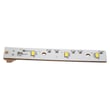
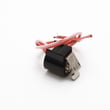
- GE profile refrigerator temperature sensor WR55X10025 (reports temperature to the control)
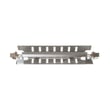
- Refrigerator defrost heater WR51X10055 (melts frost off the evaporator)
- Refrigerator defrost bi-metal thermostat WR50X10065 (helps control defrost heating)
Cooling problems can spoil food quickly and can also trigger secondary symptoms like weak ice production, water dripping at the dispenser, or unusual fan noise. Catching airflow and defrost issues early helps prevent heavier wear on the compressor.
For model-specific operating tips and care steps, use the GSS25GGHJCWW owner's manual.
Last updated: January 2026
What is the average lifespan of a GE refrigerator?
Most GE refrigerators average 12 to 16 years of service life, and many run 10 to 20 years with normal use. For your GE GSS25GGHJCWW side-by-side refrigerator, steady temperatures, clean airflow, and routine water-filter care are the biggest factors that help it reach the high end of that range (see the GSS25GGHJCWW owner's manual).
Lifespan depends on how hard the refrigerator works (room temperature, door openings, load, and maintenance).
- 10 to 12 years: heavier use, dusty environments, poor airflow around the cabinet
- 12 to 16 years: typical household use (most common)
- 16 to 20 years: consistent maintenance and stable operating conditions
- 20+ years: less common; usually simpler units with fewer dispenser-related wear items
| What affects lifespan most | What to do | Parts commonly involved |
|---|---|---|
| Heat and restricted airflow | Keep vents clear; clean dust buildup | Condenser area (no specific part needed) |
| Water quality and flow restriction | Replace the filter on schedule | GE refrigerator water filter MWFP |
| Ice maker and dispenser wear | Keep ice path clear; address slow fill early | Refrigerator water valve WR57X33326, GE refrigerator ice maker kit WR30X10093 |
| Frost buildup and temperature swings | Fix defrost issues promptly | Refrigerator defrost heater WR51X10055, refrigerator defrost bi-metal thermostat WR50X10065 |
These steps reduce compressor run time and prevent common cooling and water-system failures.
- Keep the refrigerator level so doors seal and close consistently
- Leave space around the cabinet for ventilation (especially at the back and bottom)
- Replace the water filter about every 6 months (or sooner if flow drops)
- Avoid overpacking; blocked air vents cause warm spots and longer run times
- If you hear a new buzzing or clicking during water dispensing, check the inlet valve and filter first
A refrigerator usually fails early from heat stress, poor airflow, or water/ice system strain. Simple upkeep helps the sealed system (compressor, condenser, evaporator) run fewer hours per day, which is the biggest driver of long-term reliability.
Last updated: January 2026