Owner’s manual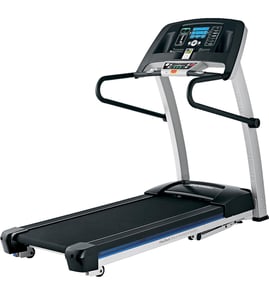

What does the 76 stand for?
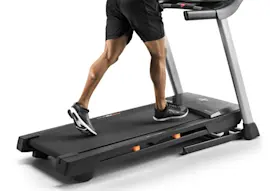
On the Horizon RCT7 treadmill, “7.6” is a model designation used to identify the specific treadmill version in the RCT series; it is not a speed, incline, circuit rating, or a feature setting. For model-specific identification details, use the RCT7 owner's manual.
You’ll typically use the “7.6” designation when you are:
- Matching the correct parts diagrams and parts list for your Horizon treadmill
- Confirming compatibility before ordering a replacement component
- Looking up console functions, program keys, and adjustment procedures
- Referencing electrical requirements (for example, recommended circuit capacity)
The “7.6” label is commonly misunderstood. On the RCT7, it does not indicate:
- Top speed (mph)
- Motor horsepower
- Belt length or width
- Incline percentage range
- Electrical amperage (the manual separately recommends a 20 amp circuit for best performance)
| Item | What it represents | Where to confirm |
|---|---|---|
| RCT7.6 (or “7.6”) | Model/series identifier | RCT7 owner's manual |
| Speed/incline/programs | Operating features and settings | Console section in the manual |
| Power requirements | Outlet/circuit guidance | Electrical/safety section in the manual |
Using the exact model identifier (RCT7.6) prevents ordering the wrong treadmill parts and helps ensure you follow the correct procedures for adjustments like belt centering and safe operation.
Last updated: February 2026
What is the typical lifespan of a treadmill?
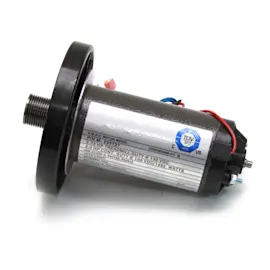
A home treadmill like the Horizon RCT7 typically lasts 7 to 10 years with normal residential use and routine care. Consistent cleaning, correct power setup, and regular deck lubrication are the biggest factors that keep the drive motor, motor controller, and walking belt from wearing out early.
- Usage volume: daily running wears the walking belt and deck faster than occasional walking.
- Maintenance: dust buildup and a dry deck increase friction and load on the drive motor.
- Power quality: using a dedicated circuit helps protect electronics.
- Environment: indoor, climate-controlled rooms reduce corrosion and electrical issues.
- Belt and deck condition: a slipping or off-center belt accelerates wear.
The RCT7.6 user guide calls out two habits that directly prevent premature component failure:
| Task | When to do it | Why it matters |
|---|---|---|
| Clean motor area and vacuum debris | Regularly (especially if you see dust or belt particles) | Reduces overheating and electrical board stress |
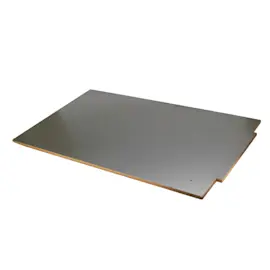
| Lubricate the running deck | Every 6 months or about 150 miles | Lowers friction so the belt, deck, and motor last longer |
For the exact lubrication procedure and safety steps (power switch off, unplug, loosen rear roller bolts, re-tension), follow the RCT7 owner’s manual.
- Walking belt slips, slows down, or needs frequent re-tensioning
- Belt will not stay centered even after adjustment
- Burning smell, repeated breaker trips, or intermittent power
- Console powers up but the belt will not start
A good next step for symptom-based troubleshooting is our guide: treadmill console powers up but the treadmill won't start.
Most “treadmill lifespan” problems are really friction and heat problems. A clean motor compartment and a properly lubricated deck reduce load on the drive system, which is what typically determines whether a treadmill reaches the 7 to 10 year range.
Last updated: February 2026
Is the Horizon RCT7 at worth buying?
The Horizon RCT7 (RCT7.6 series) is worth buying when you want a home treadmill focused on consistent cardio workouts, basic console features, and a foldable footprint. For the best fit, compare your space, noise expectations, and maintenance comfort level using the RCT7 owner's manual.
- Space and placement: plan for clearance behind the deck and stable flooring (a rubber mat helps reduce vibration noise).
- Noise expectations: a light thumping sound from the belt over the rollers is normal, especially when new.
- Power setup: confirm you have a nearby outlet and that you can access the on/off switch by the power cord.
- Maintenance comfort: you should be willing to do basic belt alignment and tension checks.
- Workout goals: best for walking, jogging, and steady running routines rather than specialized training features.
| If you want... | The RCT7 is a good fit when... | Consider something else when... |
|---|---|---|
| A reliable home cardio option | you will use it several times per week and keep up with basic upkeep | you want a large touchscreen or advanced app-first experience |
| A quieter experience | you can use a mat and place it away from walls | you need near-silent operation in an upstairs or shared-wall room |
| Lower hassle ownership | you can follow routine checks from the manual | you prefer zero-maintenance equipment |
Most treadmill “regret” comes from mismatched expectations: noise in a home setting, not planning the location, or skipping simple maintenance that keeps the walking belt tracking smoothly and reduces wear on the drive system.
Start with power and safety-key basics, then follow a symptom-based path in treadmill console powers up but the treadmill won't start.
Last updated: February 2026