Owner’s manual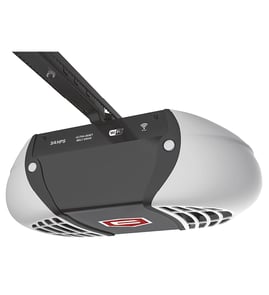


Is it cheaper to repair or replace a garage door opener?
Repairing a Craftsman garage door opener like model 13957915 is cheaper when the problem is small (photo eyes out of alignment, wall control issues, light/socket problems, minor wiring). Replacing the opener is the better value when the unit is older (typically 12+ years), has repeated failures, or needs major internal repairs.
A practical cost rule we use
In most homes, repair makes sense when the fix is quick and parts and labor stay modest; replacement makes sense when you are paying for multiple visits or major teardown.
- Repair when the opener runs but acts up (intermittent closing, lights blinking, remote range issues).
- Replace when the motor/drive system is failing, the opener is unreliable, or safety features cannot be set correctly.
- Replace when repair estimates approach $300 to $500 or more.
- Repair when the door itself is the real issue (binding, out of balance) and the opener is fine.
- Always follow the setup and safety checks in the owner's manual.
What to check before you decide
Many “opener problems” are actually door or sensor problems. These checks help you avoid paying for the wrong repair.
- Safety sensors: confirm both sensors are aligned and unobstructed.
- Door balance: a poorly balanced door can cause force and reversal problems.
- Force and travel settings: incorrect settings can prevent full open/close.
- Wall control and wiring: loose connections can mimic a bad logic board.
- Light bulb type: this model warns that LED bulbs can reduce remote range/performance; use an A19 incandescent (100W max) or CFL (26W, 100W equivalent) as specified.
Repair vs. replace comparison
| Situation | Usually best choice | Why |
|---|---|---|
| Sensors misaligned, minor wiring, remote programming | Repair | Low cost, fast fix |
| Opener is 12+ years old with frequent breakdowns | Replace | Better long-term reliability |
| Major drive/motor issue or repeated internal failures | Replace | Labor and parts add up |
| Door is heavy, binding, or not balanced | Repair the door system first | Opener cannot work correctly on a bad door |
Why it matters
A garage door opener must reverse properly and be tested after adjustments; the manual calls for monthly safety reversal testing using a 1-1/2 inch object or a 2x4 laid flat. If you cannot get consistent safe operation, replacement is the smarter path.
Helpful troubleshooting resource
If your opener is flashing lights or showing a diagnostic pattern, use our Craftsman error codes guide to narrow the problem before you spend money on parts or a new unit.
Last updated: February 2026
Where can I buy Craftsman garage door opener parts?
You can buy replacement parts for your Craftsman garage door opener model 13957915 through Sears PartsDirect by using the model-based parts listing to match the exact component you need. For diagrams, accessory callouts, and setup details that help you identify parts, use the owner's manual.
How we recommend finding the right part for model 13957915
- Confirm the full model number on the opener’s label: 13957915
- Use the parts diagrams to identify the exact assembly (motor unit, rail, sensors, wall control)
- Match the part description to your symptom (won’t close, no power, remote won’t work)
- Check for accessory compatibility before ordering (Smart Control items, rail extensions)
- Review installation and adjustment steps so you don’t replace a good part unnecessarily
Common parts and accessories you may be shopping for
The manual for Craftsman 13957915 lists several common accessories that customers often replace or add:
| Item type | What it does | When you typically need it |
|---|---|---|
| Connectivity accessory (hub) | Helps enable monitoring/control features | Weak Wi-Fi at the opener location or connectivity needs |
| Smart control panel | Wall control with diagnostics and lock feature | Wall control issues, diagnostics needs, upgrade |
| Rail extension kit | Allows a taller door to open fully | 10-foot door height |
| Safety sensor mounting brackets | Helps mount sensors to wall or floor | Sensor alignment or mounting problems |
Before you order: quick checks that prevent wrong-part purchases
Wi-Fi and smart features
If you are buying parts related to Smart Control or connectivity, we recommend checking Wi-Fi signal strength at the opener location first:
- Strong signal: installation and connection typically go smoothly
- Weak signal: connection may work, but reliability can suffer
- No signal: plan on moving the router closer or using a range extender
Error codes and diagnostics
If your opener is flashing lights or showing a diagnostic pattern, use Craftsman error codes to narrow the failure to a specific circuit, sensor issue, or travel/force setting.
Why it matters
Garage door opener parts are highly model-specific. Using the model 13957915 parts breakdown and the manual-based accessory list helps you order the correct component the first time and avoid repeat troubleshooting.
Last updated: February 2026
What is the life expectancy of a Craftsman garage door opener?
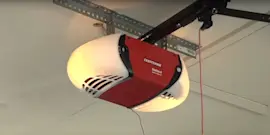
Most Craftsman garage door openers, including model 13957915, typically last 10 to 15 years with normal residential use. The motor often lasts longer than wear items (like gears, sensors, and remotes), so performance issues can show up before the opener fully fails.
Typical lifespan: what lasts longest vs. what wears out first
A garage door opener is a system; some parts age faster than others.
- Motor: commonly the longest-lasting component
- Drive gear and internal gears: wear with cycles and door balance issues
- Safety reversing sensors: can fail from misalignment, sun glare, or wiring damage
- Wall control and remotes: wear from heavy use, battery leakage, or interference
- Rail/trolley hardware: can loosen or wear if the door binds
What affects life expectancy the most
These factors have the biggest impact on how long your Craftsman opener runs reliably:
- Door balance and spring condition (an unbalanced door overworks the opener)
- Daily cycles (more opens/closes per day shortens lifespan)
- Temperature swings and humidity in the garage
- Vibration and mounting stability (loose mounting increases wear)
- Maintenance habits (periodic checks help prevent early failures)
Quick check: is it aging normally or failing early?
Use this table to judge what you are seeing.
| Symptom | Common cause | What to do next |
|---|---|---|
| Door reverses or will not close | Sensor alignment/obstruction | Clean/align sensors; verify indicator lights |
| Motor runs but door barely moves | Worn gear, binding door | Check door movement by hand; inspect drive components |
| Intermittent remote range | Battery/interference | Replace battery; reprogram if needed |
| Opener strains or stops mid-travel | Force/travel out of adjustment or door resistance | Confirm door is balanced; then adjust per manual |
Why it matters
Aging openers usually do not fail all at once; they start needing more force, lose consistent travel limits, or develop sensor-related closing problems. Keeping the door balanced and doing periodic safety checks helps the opener reach the full 10 to 15 year range.
For model-specific operating and safety check guidance, follow the periodic check and adjustment steps in the 13957915 owner's manual.
Last updated: February 2026
What are the common problems with Craftsman garage door openers?
Common problems on the Craftsman garage door opener model 13957915 include safety reversing sensor issues that prevent closing (often with light bulbs flashing), remote or wall-control problems (lock feature on, lost programming), and normal mechanical wear that causes noise or inconsistent travel. Use the owner's manual for model-specific checks and settings.
Most common symptoms and what they usually mean
- Door will not close and opener lights flash: safety reversing sensors are misaligned or briefly obstructed.
- Remote won’t run the opener: wall control lock feature is on, remote needs reprogramming, or the remote battery is weak.
- Opener light stays on when the door is open: sensor beam is obstructed or the motion/sensor feature is triggering the light.
- Beeping every 30 seconds: the opener was activated by an unattended-close feature (for example, Timer-to-Close or smart control).
- Grinding, clicking, or jerky movement: common wear in the drive system (gears, sprocket, chain/belt tension) or a door that is out of balance.
Quick checks we recommend first (safe, fast, and effective)
- Check the photo eyes: confirm both sensor LEDs are steady (not flickering) and nothing blocks the beam.
- Inspect the door itself: with the opener disconnected, the door should lift smoothly and stay about halfway open (a heavy door can mimic opener failure).
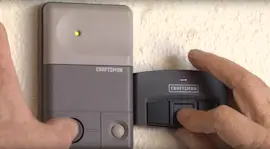
- Verify the wall control lock setting: unlock it before troubleshooting remotes.
- Reprogram the remote/keypad: especially after power outages or if a neighbor’s remote triggers your door.
- Look for hanging items on the door: straps, bike hooks, or insulation can break the sensor beam during closing.
Common problems at a glance
| Problem area | Typical symptom | What to do next |
|---|---|---|
| Safety reversing sensors | Won’t close; lights flash | Realign sensors; clear obstructions; confirm steady LEDs |
| Remote/wall control | No response | Check lock feature; reprogram remote; replace battery |
| Smart/unattended close features | Beeping every 30 seconds | Review smart/TTC settings and alerts |
| Door balance/track issues | Reverses, strains, or stops | Check door balance and track condition before adjusting opener |
Why it matters
Most “opener problems” are actually sensor alignment, control settings, or door balance issues. Fixing those first prevents unnecessary force adjustments and reduces wear on the motor and drive components.
Helpful troubleshooting resources
- For diagnostic light patterns and code-based troubleshooting, use our Craftsman error codes guide.
Last updated: February 2026