Owner’s manual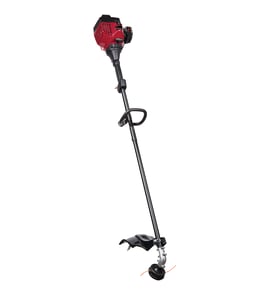



Which is better, .080 or .095 trimmer line?
For the Weed Eater BC2400-TYPE, 0.080 inch (2 mm) line is the better choice because it is the specified size for safe feeding and proper line advance. Using 0.095 inch line can jam the head, prevent advancing, and increase wear.
What our BC2400-TYPE manual specifies
The BC2400-TYPE is designed to run only 0.080 inch (2 mm) diameter line. That size feeds correctly through the trimmer head and advances as intended when you tap the head on the ground. See the line specification and operating notes in the owner's manual.
Quick comparison: 0.080 vs 0.095
| Line size | Best for | What it means on BC2400-TYPE |
|---|---|---|
| 0.080 in (2 mm) | Standard trimming and edging | Correct fit; advances properly; recommended |
| 0.095 in | Heavier-duty cutting on trimmers designed for it | Too thick for this head; can bind and not advance |
If you want longer line life, do this instead
Rather than upsizing line diameter, we recommend adjusting technique and setup so the line lasts longer and the head stays cooler.
- Run less than full throttle for light trimming and around obstacles
- Use full throttle only when needed (mowing or sweeping)
- Keep the shield installed so the line limiter can control line length
- Tap the head on grass, not concrete or asphalt (hard surfaces wear the head fast)
- Keep line at the maximum length allowed by the limiter for best cutting efficiency
Why it matters
Correct line diameter is a safety and performance issue. On the BC2400-TYPE, the wrong size can stop line advance, make the head overheat, and lead to poor cutting. The right 0.080 inch line also helps the trimmer run smoother with less vibration.
Last updated: February 2026
What's the difference between a weedeater and a string trimmer?
A “Weed eater” and a “string trimmer” are the same type of tool; both use a spinning nylon line to cut grass and weeds along edges. “Weed Eater” started as a brand name, while “string trimmer” is the generic product name used across brands.
What the names usually mean
In everyday use, these terms refer to the same outdoor power equipment:
- Weed eater: common nickname; often used for any line trimmer
- String trimmer: generic name used in manuals and parts diagrams
- Weed wacker: another common nickname
- Line trimmer: another generic term (often used in parts listings)
For your Weed Eater BC2400-TYPE, the owner's manual uses “trimmer” terminology and focuses on safe operation, correct cutting methods, and using the proper cutting line.
What matters for parts and maintenance
When you’re ordering parts or doing maintenance, the name is less important than matching the model number and the correct component.
Common items people replace on gas line trimmers include:
- Fuel tank cap (helps prevent leaks and fuel evaporation)
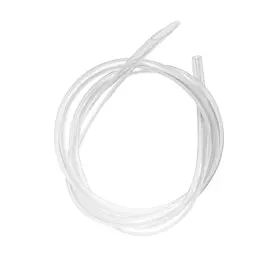
- Fuel filter and fuel lines (helps prevent hard starting and stalling)
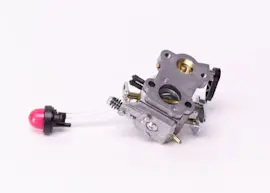
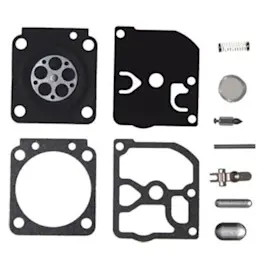
- Carburetor gaskets/diaphragms (helps restore proper fuel metering)
- Kill switch (helps shut the engine off reliably)
Examples of model-matched parts on this page
| Part type | What it affects | Example part on this model page |
|---|---|---|
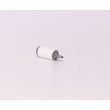
| Fuel system | Starting, idling, acceleration | Engine fuel filter 530095646 |
| Carburetor sealing | Air leaks, lean running, surging | Carburetor gasket 530019243 |
| Engine shutoff | Ability to stop engine | Kill switch 530069572 |
Why it matters
Using the generic term “string trimmer” helps you find the right instructions and parts faster, especially when you’re comparing items like cutting line size, shields, and fuel system components. For example, the manual specifies using 0.080 in (2 mm) cutting line and warns against using wire, rope, or string.
Last updated: February 2026
How to start a gas line trimmer?
To start your Weed Eater BC2400-TYPE gas line trimmer, set it on a flat surface, turn the ON/OFF switch to ON, prime the fuel system, then use FULL CHOKE for a cold start and pull the starter rope until it fires. Follow the exact choke steps in the owner's manual.
Cold-start steps (most common)
- Place the trimmer on a flat surface with the trimmer head clear of anything it could hit.
- Move the ON/OFF switch to ON.
- Slowly press the primer bulb 6 times (press and let it return each time).
- Move the choke lever to FULL CHOKE.
- Pull the starter rope until the engine attempts to start.
- Move the choke lever to HALF CHOKE; pull the starter rope until the engine runs (limit repeated pulls).
- After it starts, let it run briefly, then move the choke to OFF CHOKE and allow it to warm up before trimming.
If it will not start (quick checks)
These items commonly cause hard starting on a 2-cycle trimmer:
- Old fuel or incorrect fuel mix; drain and refill with fresh, properly mixed fuel.
- Flooded engine; move choke to OFF and pull to clear excess fuel (then restart normally).
- Plugged fuel filter or restricted fuel flow; inspect and replace the craftsman lawn & garden equipment engine fuel filter 530095646 if fuel delivery looks weak.
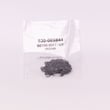
- Carburetor diaphragm or gasket issues; rebuild with the husqvarna lawn & garden equipment engine carburetor diaphragm and gasket kit 530069844 if priming does not pull fuel.
- Ignition shutoff problem; confirm the switch is ON and the wiring is intact (a failed lawn & garden equipment kill switch 530069572 can prevent spark).
What you should see at each step
| Step | Normal result | If not, suspect |
|---|---|---|
| Primer bulb pressed | Bulb fills and you see fuel movement | Air leak, clogged filter/line, carb diaphragm issue |
| FULL CHOKE pull | Engine “pops” or tries to start | No fuel, no spark, flooded |
| HALF CHOKE pull | Engine starts and runs | Choke not moving correctly, fuel delivery problem |
Why it matters
Correct priming and choke position reduce starter-rope pulls, prevent flooding, and help the carburetor pull fuel through the fuel lines. That protects the starter system and gets you trimming faster and safer.
Last updated: February 2026
What is the most reliable string trimmer?
The most reliable string trimmer is the one that matches your workload (light edging vs. thick weeds) and is maintained correctly. For a gas trimmer like the Weed Eater BC2400-TYPE, reliability comes from correct line size, proper line-advance technique, and a clean, leak-free fuel system (see the owner's manual).
What “reliable” means in real use
- Starts easily hot and cold
- Idles steadily and the head stops turning at idle
- Feeds line consistently without constant jams
- Runs without fuel leaks or excessive vibration
- Has replaceable wear parts available
Gas vs. battery reliability (quick comparison)
| Type | Best for | Reliability advantage | Most common issue |
|---|---|---|---|
| Gas | Heavy weeds, long sessions | High power, quick refuel | Fuel system gumming, air leaks |
| Battery | Small to medium yards | Easy starting, low routine maintenance | Battery aging, limited runtime |
BC2400-TYPE reliability tips we follow
These are the operating habits that prevent the most common “unreliable” symptoms.
- Use only 0.080 in (2 mm) cutting line; other sizes can feed poorly and wear the head faster
- Advance line by tapping the trimmer head on grass at full throttle; avoid concrete/asphalt to reduce wear
- Release the throttle and let the engine return to idle when not cutting
- Inspect for loose/damaged parts and repair fuel leaks before each use
- Stop the engine and disconnect the spark plug before maintenance (except carburetor adjustments)
Parts that often fix reliability problems
If your trimmer will not shut off, bogs, or will not stay running, these parts commonly restore normal operation.
- Lawn & garden equipment kill switch 530069572
- Craftsman lawn and garden equipment engine fuel filter 530095646
- Line trimmer fuel tank cap 530014347
- Husqvarna lawn and garden equipment engine carburetor diaphragm and gasket kit 530069844
Why it matters
Most “unreliable trimmer” complaints trace back to incorrect line/head operation or restricted fuel delivery. Using the specified 0.080-inch line and keeping the fuel system sealed and clean prevents repeat starting and power issues.
Last updated: February 2026