
What is an air conditioner and heater combo called?
An air conditioner and heater combo is most commonly called a heat pump when one system provides both heating and cooling by reversing refrigerant flow. For the Trane WCC030F100BF specifically, it’s a packaged heat pump (an all-in-one outdoor unit that combines heating and cooling components).
Common names you’ll hear (and what they mean)
- Heat pump: One system heats and cools; it switches modes with a reversing valve.
- Packaged heat pump: Heat pump components are housed together in one cabinet (like WCC030F100BF).
- Packaged unit: General term for an all-in-one outdoor HVAC unit; can be heat pump or gas/electric.
- Dual-fuel (hybrid) system: A heat pump paired with a gas furnace for cold-weather efficiency.
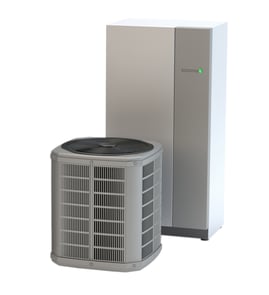
- AC and furnace split system: Cooling is one unit (outdoor condenser) and heating is a separate furnace.
Quick comparison
| Name | Heating source | Cooling source | Typical setup |
|---|---|---|---|
| Heat pump | Refrigeration cycle | Refrigeration cycle | Split or packaged |
| Packaged heat pump | Refrigeration cycle | Refrigeration cycle | All-in-one outdoor cabinet |
| Dual-fuel (hybrid) | Heat pump + gas furnace | Heat pump | Split system |
| AC/furnace combo | Gas furnace | AC condenser | Split system |
Why the name matters when troubleshooting or ordering parts
Using the right term helps match the right diagrams, electrical checks, and replacement parts for your Trane packaged heat pump.
- A heat pump has controls and components you won’t see on straight AC-only systems (for example, defrost control logic and a reversing valve circuit).
- A packaged unit routes airflow, electrical, and refrigerant components differently than a split system.
- “Dual-fuel” changes what you troubleshoot first in heating mode (furnace vs. heat pump).
Helpful next steps for owners
- Confirm whether your system is packaged or split by checking if the air handler and coil are inside (split) or everything is in one outdoor cabinet (packaged).
- When diagnosing electrical issues, use safe test practices and reference a schematic if available.
- For basic electrical troubleshooting skills, use our guides: how to use a multimeter to test electrical parts video and how to tell if a fuse is blown.
Last updated: February 2026
What are common problems with trane systems?
Common problems we see with Trane systems like the Trane WCC030F100BF packaged heat pump are usually airflow restrictions, electrical control issues, and refrigerant-related faults. These problems often show up as weak heating or cooling, short cycling, icing, unusual noises, or the outdoor unit not running.
Most common issues (and what they look like)
- Dirty or clogged air filter: reduced airflow, coil icing, poor comfort
- Dirty indoor or outdoor coil: longer run times, higher energy use, icing in cooling
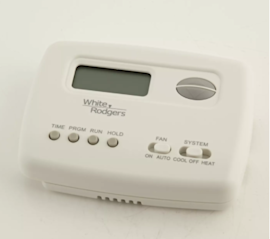
- Thermostat or low-voltage control problem: no heat/cool call, erratic cycling
- Capacitor or contactor failure: outdoor fan or compressor will not start, humming
- Refrigerant leak or incorrect charge: weak cooling, icing, frequent cycling
- Drain or moisture issues (cooling mode): water around the unit, musty odor
Quick checks we recommend before scheduling service
- Confirm thermostat settings: correct mode (HEAT/COOL), setpoint, and fresh batteries if applicable.
- Replace the air filter: a restricted filter is the most common cause of airflow complaints.
- Check breakers and disconnect: a tripped breaker can stop the compressor or blower.
- Look for obvious airflow blockages: closed registers, crushed duct, debris around the outdoor section.
- Listen and observe: note whether the indoor blower runs, and whether the outdoor fan and compressor start.
What you can safely test (basic electrical diagnostics)
If you are comfortable using a meter, these guides help confirm common electrical failures:
- Use how to use a multimeter to test electrical parts video to check for power and basic component readings.
- Use how to tell if a fuse is blown if the unit is completely dead or a control fuse keeps opening.
- Use how to repair broken or damaged wires video if you find brittle insulation, loose spade terminals, or rodent damage.
Symptom-to-likely-cause guide
| Symptom | Common cause | Typical next step |
|---|---|---|
| Runs but does not cool well | Dirty filter/coil, low refrigerant | Replace filter; clean coil; have charge checked |
| Short cycling | Airflow restriction, thermostat issue, overheating | Filter and coil check; verify thermostat wiring |
| Outdoor unit will not start | Contactor/capacitor, power issue | Check disconnect/breaker; test components |
| Ice on lines/coil | Low airflow or low refrigerant | Replace filter; stop cooling; schedule service |
Why it matters
Packaged heat pumps depend on correct airflow and stable electrical controls. When airflow drops or a control component starts failing, the system can ice up, overheat, or cycle rapidly, which increases wear on the compressor and can raise energy costs.
Last updated: February 2026
How much is a combined heating and cooling system?
A combined heating and cooling system typically costs about $10,000 to $20,000 installed for many homes; the final price depends on capacity, efficiency rating, ductwork condition, electrical upgrades, and labor. For a Trane packaged heat pump like model WCC030F100BF, equipment and installation details drive most of the total.
Typical installed cost ranges
These are common U.S. installed price bands for a combined HVAC replacement (equipment plus labor):
- Packaged heat pump (like WCC030F100BF): $9,000 to $18,000
- Split AC + gas furnace: $10,000 to $20,000
- Ductless heat pump (multi-zone): $8,000 to $22,000
- Major ductwork replacement/additions: add $2,000 to $8,000+
| Cost driver | What changes the price most | What to check first |
|---|---|---|
| System size (tons/BTU) | Oversized or undersized replacements can raise labor and comfort issues | Existing nameplate data and home load needs |
| Efficiency (SEER2/HSPF2) | Higher efficiency usually costs more upfront | Utility goals and local climate |
| Electrical and controls | New disconnect, wiring, thermostat, breakers | Panel capacity and existing wiring condition |
| Ductwork and airflow | Leaks, poor returns, undersized ducts | Visible duct condition and airflow complaints |
What we recommend budgeting for (line items)
When you compare quotes, make sure these items are clearly listed:
- Equipment (packaged heat pump cabinet, compressor, coils)
- Labor (removal, setting the unit, connections)
- Refrigerant work (evacuation, charge, leak check)
- Electrical (disconnect, whip, fusing, control wiring)
- Air distribution (duct transitions, plenums, sealing)
- Start-up and commissioning (temperature split, static pressure, defrost check)
Why it matters
A low price that skips airflow setup, duct sealing, or proper charging often leads to higher utility bills, comfort problems, and repeat service calls. Paying for correct sizing and commissioning protects performance and lifespan.
Helpful DIY reading before you schedule service
If you are comparing bids or troubleshooting power issues around the unit, our guide on how to use a multimeter to test electrical parts video helps you understand basic electrical checks (always shut off power at the disconnect and breaker first).
Last updated: February 2026
Why was the Trane WCC030F100BF discontinued in the USA?
Trane typically discontinues packaged heat pump models like WCC030F100BF when newer designs replace them to align with updated U.S. efficiency requirements (such as SEER2), refrigerant direction, and current production standards. “Discontinued” means it is no longer manufactured, not that it cannot be serviced.
What “discontinued” means for your WCC030F100BF
- The exact model is no longer produced or sold as new equipment.
- Replacement parts may be superseded by updated or substitute components.
- Some assemblies may only be available in revised versions.
- Repair decisions often depend on compressor health, controls, and the refrigerant circuit.
Common reasons HVAC models get discontinued
For U.S. packaged heat pumps, discontinuation is usually driven by regulation and product evolution:
- Efficiency standard updates (SEER2 testing and compliance)
- Refrigerant transitions (industry movement away from higher-GWP refrigerants over time)
- Platform redesigns (cabinet, blower, control board, sensors)
- Component standardization (fewer unique parts across model families)
- Feature updates (diagnostics, staging, noise improvements)
How we recommend confirming replacements and matching parts
Use this checklist to match the correct component by specs and wiring:
- Verify the data plate shows WCC030F100BF exactly.
- Record the serial number to identify the production run.
- Identify the failed part by function (indoor blower, outdoor fan, heating, cooling).
- Match electrical ratings (voltage, microfarads for capacitors, coil voltage for contactors).
- If wiring is involved, test and label before moving any wires.
For safe electrical checks, use: how to use a multimeter to test electrical parts video
Quick repair triage
| Symptom | Common causes | Best next step |
|---|---|---|
| Breaker trips | Shorted compressor, grounded wire, failed capacitor | Electrical testing first |
| Outdoor fan not running | Capacitor, motor, control issue | Test capacitor and motor |
| Poor heating/cooling | Airflow issue, coil condition, refrigerant problem | Check airflow and coils |
Why it matters
Knowing why WCC030F100BF was discontinued sets expectations: you may need an updated substitute component, but many repairs stay straightforward when you match specifications and wiring correctly.
Last updated: February 2026
What is the average life expectancy of a trane furnace?
For Trane HVAC equipment like the Trane WCC030F100BF packaged heat pump, the typical life expectancy is 15 to 20 years. If you actually have a separate gas furnace, that equipment also commonly runs 15 to 20 years with consistent maintenance and proper airflow.
Make sure you are identifying the right equipment
Packaged heat pumps and furnaces are maintained differently. The WCC030F100BF is a packaged heat pump (heating and cooling in one outdoor cabinet), so you will be checking coils, fan motors, capacitors, and electrical controls more than furnace-only components.
Use this quick check:
- Packaged heat pump: outdoor cabinet; uses refrigerant; has a compressor and coils
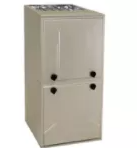
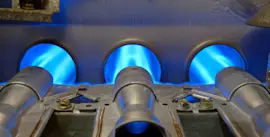
- Gas furnace: indoor cabinet; uses burners; has a flue/vent pipe
- Split system: outdoor condenser plus indoor air handler or furnace
If you need help confirming what you own, use how to find your appliance model number (and what it means for parts).
What affects packaged heat pump lifespan most
- Coil condition (dirty or corroded coils reduce efficiency and strain the compressor)
- Airflow (restricted filters, blocked returns, or dirty blower increase run time)
- Electrical health (weak capacitors, pitted contactors, overheated wiring)
- Refrigerant system health (leaks and improper charge shorten compressor life)
- Outdoor environment (salt air, lawn chemicals, debris, and standing water)
Replace vs. repair planning guide
| Age of unit | Typical best move | Why it matters |
|---|---|---|
| Under 10 years | Repair and maintain | Major components usually have strong remaining life |
| 10 to 15 years | Repair if costs are reasonable | Targeted repairs often restore reliability |
| 15 to 20+ years | Plan replacement | Compressor and coil wear become more common |
| Frequent breakdowns | Consider replacement | Downtime and cumulative repair cost rise quickly |
Why it matters
A packaged heat pump near end-of-life runs longer to meet demand, which increases energy use and accelerates wear on the compressor and fan motors. Routine cleaning and electrical checks help you avoid peak-season failures.
Last updated: February 2026