 Error Codes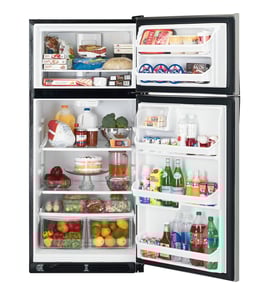




Which is better, top mount or bottom mount refrigerator?
A top-mount refrigerator (like Kenmore model 36369221990) is usually the better pick for value and efficiency, while a bottom-mount is usually better for everyday convenience because fresh food sits at eye level. The “best” choice depends on how you shop, cook, and use the freezer.
Quick comparison
| Feature | Top mount (freezer on top) | Bottom mount (freezer on bottom) |
|---|---|---|
| Fresh-food access | You bend more | You bend less |
| Freezer access | Easier | Harder (drawers) |
| Energy use | Typically lower | Typically higher |
| Price | Typically lower | Typically higher |
| Storage style | Simple shelves | More drawers and organization |
When a top-mount is the better choice
- You want a straightforward, reliable layout with fewer “extras” to maintain.
- You use the freezer often (frozen meals, bulk meat, ice trays).
- You want strong value and typically lower operating cost.
- You have a tighter kitchen space and prefer a lighter door swing.
When a bottom-mount is the better choice
- You use the refrigerator section most and want it at eye level.
- You store lots of produce and fresh items and want easier access.
- You prefer freezer drawers for organization (bags, bins, baskets).
- You are trying to reduce bending for daily items.
Why it matters
Your choice affects daily comfort and food organization. Most households open the fresh-food door far more than the freezer; that makes bottom-mount designs feel more convenient, while top-mount designs often win on simplicity and efficiency.
Parts and long-term ownership tip
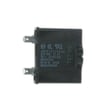
No matter which style you choose, keeping the cooling system healthy matters most. If your Kenmore 36369221990 ever has trouble starting or cooling, common service parts include the capacitor WR55X24064 and refrigerator relay WR07X10055.
Last updated: February 2026
What are the disadvantages of a top mount fridge?
Top-mount refrigerators like Kenmore model 36369221990 are reliable and usually cost-effective, but the main tradeoffs are convenience and storage layout: fresh-food items sit lower (more bending), freezer access is higher, and you typically get fewer built-in organization and dispenser features.
Common disadvantages (what you notice day to day)
- More bending for fresh food: the refrigerator compartment is below the freezer, so you reach down more often.
- Less “eye-level” organization: produce drawers and lower shelves can be easier to forget about.
- Fewer premium features: many top-mount designs skip external water and ice dispensers.
- Narrower shelf flexibility: some layouts have fewer adjustable bins and specialty zones.
- Freezer usability: the top freezer can feel tighter for bulky items (pizza boxes, large roasts).
Quick comparison: top-mount vs. bottom-freezer
| Feature | Top-mount (your style) | Bottom-freezer |
|---|---|---|
| Fresh-food access | Lower, more bending | Higher, easier access |
| Freezer access | Eye-level | Lower drawer/basket |
| Organization features | Basic, model-dependent | Often more zones/bins |
| Dispenser options | Less common | More common |
| Typical cost | Usually lower | Usually higher |
Why it matters
Most households open the fresh-food section far more than the freezer. If bending and reaching are a daily annoyance, a bottom-freezer layout can feel more comfortable. If you prioritize simplicity, fewer features to maintain, and straightforward cooling, a top-mount can be a great fit.
When a “top-mount drawback” is actually a repair issue
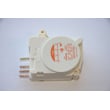
If the refrigerator section is inconvenient because it is not cooling evenly, check for airflow or defrost problems. On this model, common cooling-related parts include the refrigerator defrost control WR9X502 and the refrigerator defrost thermostat WR50X133.
Last updated: February 2026
How to tell cubic feet of Kenmore refrigerator by model number?
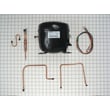
For Kenmore model 36369221990, the model number alone usually does not state the exact cubic-foot capacity; the reliable way is to calculate it from the interior measurements (refrigerator and freezer) or match the model to its spec listing. If you need parts while you’re checking capacity, use the model’s parts list such as the refrigerator compressor WR87X10224.
How to estimate cubic feet (quick calculation)
Use this method when you can measure the usable interior space.
- Empty the section you’re measuring (refrigerator first, then freezer)
- Measure width, height, and depth in inches (usable space, not the outside cabinet)
- Subtract for fixed obstructions (light housing, fan cover, air tower) as needed
- Multiply:
W x H x Dto get cubic inches - Convert to cubic feet: divide by 1728
- Add refrigerator + freezer results for total capacity
Formula
- Cubic feet =
(width x height x depth) / 1728
What to measure (so your number is realistic)
Interior shapes are not perfect rectangles, so measure the “box” you can actually fill.
| Section | Measure to | Common measuring tip |
|---|---|---|
| Fresh food compartment | Inside liner walls | Measure at mid-shelf height for best average |
| Freezer compartment | Inside liner walls | Measure to the back wall, not the door bin area |
| Depth | Back wall to inside of door gasket | Do not include door bins or the gasket thickness |
Why the model number usually is not enough
Kenmore model numbers identify the product and configuration, but capacity is a spec that can vary by platform and revision. Measuring gives you a dependable capacity estimate for comparing sizes, planning storage, or choosing replacement bins and shelves.
When capacity matters for parts and troubleshooting
Capacity does not change which electrical parts fit, but it helps when you’re comparing similar models or diagnosing performance issues (overloading a small compartment can restrict airflow).
- Keep vents clear to prevent warm spots
- Set typical temps: 37°F fresh food, 0°F freezer
- Clean condenser coils to improve cooling efficiency
- If cooling is weak, check start components and sealed-system symptoms
For cooling failures that involve hard starting or no cooling, common related parts on this model include the refrigerator relay WR07X10055 and capacitor WR55X24064.
Last updated: February 2026
What's the average lifespan of a Kenmore refrigerator?
A Kenmore refrigerator typically lasts about 10 to 15 years with normal household use and basic maintenance. For your Kenmore 36369221990 top-mount refrigerator, keeping airflow clear, doors sealing tightly, and condenser coils clean helps you reach the high end of that range.
Typical lifespan by refrigerator type
Most refrigerators fall into a fairly consistent lifespan range; design and maintenance make the biggest difference.
| Refrigerator type | Typical lifespan | Notes |
|---|---|---|
| Top-mount (top freezer) | 10 to 15 years | Often among the longest-lasting styles |
| Side-by-side | 10 to 14 years | More door seals and features to maintain |
| French door | 9 to 13 years | More electronics and airflow paths |
What shortens lifespan fastest
We see these issues reduce life expectancy the most:
- Dirty condenser coils causing high compressor run time
- Door gasket leaks that let warm, moist air in
- Overpacked compartments blocking vents and airflow
- Power surges that stress the compressor start components
- Defrost problems that lead to heavy frost and poor cooling
Maintenance that adds years (simple, high impact)
Use this checklist to keep your 36369221990 running efficiently:
- Clean condenser coils every 6 to 12 months (more often with pets)
- Keep 1 to 2 inches of clearance around vents inside the fridge and freezer
- Confirm doors close on their own and seals grip paper firmly all the way around
- Set temperatures to typical targets: 37°F fresh food, 0°F freezer
- Listen for changes: repeated clicking, long run times, or warm temps are early warnings
Why it matters
A refrigerator that runs hotter or longer than normal wears out the sealed system faster. Catching airflow, defrost, or start-component problems early can prevent compressor damage and reduce food-spoilage risk.
Parts that commonly come up as a refrigerator ages
If you’re troubleshooting cooling or starting issues, these model-matched parts are often involved:
- Refrigerator relay WR07X10055 (compressor start relay)
- Capacitor WR55X24064 (run capacitor)
- Refrigerator defrost control WR9X502 (defrost timer/control)
Last updated: February 2026
What is the top part of a fridge called?
In a Kenmore top-mount refrigerator like model 36369221990, the top section is the freezer compartment (often just called the freezer). It’s the coldest area, designed to keep food frozen and, on many models, support ice making.
Common names you’ll hear
- Freezer compartment
- Freezer section
- Top freezer
- Freezer door (the outer door that opens the freezer area)
What the top freezer does (and why it matters)
The freezer is where the refrigeration system removes enough heat to keep temperatures at or below 0°F. When the freezer isn’t cooling correctly, the fresh food section usually warms up too because most top-mount designs share airflow from the freezer.
Quick temperature targets
| Area | Typical target setting | What it helps prevent |
|---|---|---|
| Freezer | 0°F | Soft ice cream, thawing food |
| Fresh food | 37°F to 40°F | Freezing produce, spoiled milk |
If the “top part” isn’t staying cold
These are the most common, practical checks we recommend first:
- Make sure the freezer door closes fully and seals all the way around.
- Avoid blocking vents inside the freezer with boxes or bags.
- Confirm the temperature control is not set too warm.
- Listen for the evaporator fan running (you’ll often hear airflow when the door is closed).
- Check for heavy frost buildup on the back freezer panel (a defrost issue can restrict airflow).
If you’re seeing heavy frost or warming temperatures, a defrost component can be involved, such as the refrigerator defrost control WR9X502 or refrigerator defrost thermostat WR50X133.
Helpful DIY guidance
For general Kenmore refrigerator care and common maintenance topics, we use this guide often: how to get rid of refrigerator smells.
Last updated: February 2026





