Owner’s manual
 View engine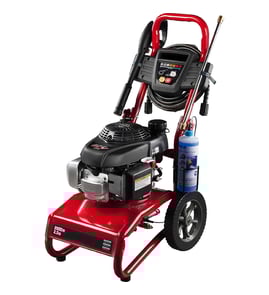



Does Craftsman have a lifetime warranty on pressure washers?
No. For the Craftsman pressure washer model 580753010, the owner’s manual lists a 1-year limited warranty for defects in materials and workmanship when the unit is maintained and operated as instructed in the 580753010 owner's manual.
What the warranty covers (and how long)
The warranty period depends on how the pressure washer is used.
- Consumer (household) use: 1 year from date of purchase
- Commercial use: 90 days from date of purchase
- Rental use: 30 days from date of purchase
Warranty length by use
| Use type | Coverage length |
|---|---|
| Household | 1 year |
| Commercial | 90 days |
| Rental | 30 days |
What is not covered (common exclusions)
The manual calls out several items and situations that are typically excluded.
- Expendable items (for example spark plugs and air filters) that wear out in normal use
- Damage caused by operator abuse or negligence
- Pump damage caused by running without water supplied to the pump
- Problems caused by skipping required maintenance or improper storage
Why it matters
Warranty coverage is tied to proper operation and routine maintenance. Following the maintenance schedule and storage steps helps prevent avoidable failures and keeps your Craftsman 580753010 performing consistently.
Quick tips to protect your coverage
- Always confirm water supply and purge air before starting the engine
- Use the correct oil type (commonly SAE 10W-30 for this model)
- Replace the spark plug and air filter on schedule
- Store the unit properly during off-season to prevent pump and fuel-system issues
Last updated: February 2026
What is the PSI of a gas-powered pressure washer?
For the Craftsman 580753010 gas pressure washer, the rated cleaning pressure is 2,800 PSI. Gas-powered pressure washers in general commonly run from about 2,000 to 4,000+ PSI, depending on the pump and engine; always match PSI to the job and surface.
PSI ranges and what they’re used for
- 1,500 to 2,500 PSI: patio furniture, cars, light mildew
- 2,500 to 3,200 PSI: driveways, sidewalks, decks (use the right spray tip)
- 3,200 to 4,000+ PSI: heavy concrete cleaning, paint prep (higher risk of surface damage)
- Higher PSI is not always better; spray tip angle and distance matter as much as pressure.
Model specs that affect “real-world” cleaning power
Your Craftsman 580753010 is rated at 2.2 GPM and 2,800 PSI. GPM drives rinsing speed and how fast you can flush dirt away.
| Spec | Craftsman 580753010 rating | Why it matters |
|---|---|---|
| Pressure (PSI) | 2,800 | Determines impact force on the surface |
| Flow (GPM) | 2.2 | Determines how quickly you rinse and clean large areas |
| Water supply requirement | At least 20 PSI at hose end | Low supply pressure can cause poor performance |
Quick checks if pressure seems low
- Confirm the garden hose supply is strong and meets the minimum water requirement listed in the 580753010 owner’s manual.
- Purge air from the pump by squeezing the trigger until flow is steady.
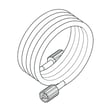
- Inspect the high-pressure line for kinks, bulges, or leaks; replace a damaged hose such as the hose 84006753.
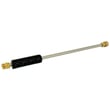
- Make sure the spray tip is fully seated and not clogged; swap to a known-good tip like the pressure washer spray nozzle 195983XGS.
Why it matters
Using the correct PSI helps you clean faster while preventing damage to wood, paint, and concrete. For most homeowner jobs, 2,800 PSI with 2.2 GPM is a strong all-around combination.
Last updated: February 2026
What is the life expectancy of a pressure washer?
A gas pressure washer like the Craftsman 580753010 typically lasts 5 to 7 years with normal homeowner use, and it is often better measured in operating hours. Following the maintenance schedule and proper storage steps in the 580753010 owner's manual is what most directly extends service life.
Typical lifespan (what we see most often)
Pressure washers wear based on heat, vibration, water quality, and how often they run under load.
- Electric pressure washers: 3 to 5 years (lighter-duty pumps and motors)
- Gas pressure washers (like this model): 5 to 7 years
- Hours matter: frequent long run-times shorten life faster than occasional short jobs
- Commercial or rental use: shorter lifespan because of heavier duty cycles
Quick comparison
| Type | Typical life expectancy | Common wear points |
|---|---|---|
| Electric | 3 to 5 years | motor, pump seals, hose fittings |
| Gas | 5 to 7 years | pump seals/valves, unloader, engine fuel system |
What extends the life of the Craftsman 580753010
The manual calls out routine maintenance and seasonal service as the key to long life.
- Keep water supplied to the pump before running; running dry damages the pump quickly
- Purge air/impurities from the pump by squeezing the trigger before starting
- Follow the engine oil, air filter, and spark plug intervals
- Check for leaks and wear in the high-pressure hose and gun connections
- Store it correctly; winterize the pump before freezing temps
Why it matters
A pressure washer can seem “worn out” when the real issue is maintenance related (clogged inlet screen, worn nozzle, air in the pump, or storage-related fuel problems). Staying on schedule helps you keep full performance and avoid premature pump and engine wear.
Last updated: February 2026
Are Craftsman gas pressure washers any good?
Craftsman gas pressure washers, including model 580753010, are a solid choice for typical home cleaning when they’re assembled, operated, and maintained correctly. They deliver strong cleaning performance, but long-term satisfaction depends heavily on routine maintenance, correct water supply, and avoiding pump damage from running without water (all covered in the 580753010 owner's manual).
What “good” looks like for this model
A gas pressure washer is “good” when it starts reliably, maintains steady pressure, and doesn’t leak or vibrate excessively during normal use.
Common signs you’re set up for success:
- You supply adequate water flow and pressure before starting the engine.
- You connect the high-pressure hose, spray gun, and nozzle extension correctly.
- You use the correct quick-connect nozzle for the job.
- You keep the unit outdoors with proper clearance for cooling and exhaust safety.
What most problems come from (and how to prevent them)
Many complaints about “quality” trace back to setup, water supply, or wear items.
Top prevention steps:
- Never run the pump without water; it can quickly damage seals and internal components.
- Confirm your water source meets typical requirements (the manual calls out over 3.2 GPM and at least 20 PSI at the washer end of the garden hose).
- Inspect and replace worn accessories early, especially the high-pressure hose.
- Use the right spray tip; a clogged or wrong nozzle can make pressure seem weak or erratic.
- Store it properly between seasons to reduce corrosion and seal drying.
Quick comparison: what to expect vs what to watch
| Area | What you should expect | What signals a problem |
|---|---|---|
| Cleaning power | Strong spray with the right nozzle | Pulsing, weak spray, or surging |
| Starting | Starts consistently with correct procedure | Hard starting after sitting, stalling |
| Leaks | Dry fittings after tightening | Drips at hose, gun, or pump connections |
| Vibration | Some normal engine vibration | Excessive shaking, fastener loosening |
Parts that commonly affect performance
If performance drops, these are often the first items to inspect or replace:
- Hose 84006753 (cracks, bulges, leaks, damaged fittings)
- Spray nozzles (clogs, worn orifice, incorrect spray pattern)
- Wand/extension connections (O-ring wear, quick-connect issues)
Why it matters
A gas pressure washer can feel “bad” even when the core machine is fine; a restricted water supply, a worn nozzle, or a damaged hose can reduce pressure and strain the pump. Following the operating and clearance guidance in the manual helps protect the engine and pump and improves durability.
Last updated: February 2026
What kind of gas goes in a Craftsman 3000 PSI pressure washer?
Use clean, fresh, unleaded gasoline (87 octane/87 AKI minimum) in your Craftsman pressure washer model 580753010; avoid old fuel and never mix oil into the gas. For fuel handling and starting steps, follow the 580753010 owner's manual.
Fuel type and what to avoid
- Use: Unleaded gasoline, 87 AKI (87 octane) or higher
- Do not use: Gasoline mixed with oil (this is a 4-cycle engine)
- Do not use: Stale fuel (more than about 30 days in the tank)
- Avoid: Overfilling the tank; leave room for expansion
- Avoid: Spills on a hot engine; let the unit cool before refueling
Quick checklist before you start
- Add the correct engine oil to the crankcase before first use
- Connect a water supply that can provide adequate flow and pressure
- Purge air from the pump by squeezing the spray gun trigger with water connected before starting
- Operate outdoors with proper clearance for ventilation and cooling
Common fuel-related symptoms and likely causes
| Symptom | Most common cause | What to do next |
|---|---|---|
| Hard starting | Old fuel or water in fuel | Drain and refill with fresh unleaded gas |
| Surging or losing power | Stale fuel, dirty carburetor, restricted airflow | Refresh fuel; check air filter; service carburetor if needed |
| Starts then dies | Fuel cap vent issue or fuel delivery restriction | Check cap, fuel line, and filter |
Why it matters
Fresh unleaded fuel helps the engine run smoothly and protects the carburetor from varnish buildup. That means steadier pressure, fewer starting problems, and less downtime during cleaning jobs.
Last updated: February 2026
Is it worth repairing a pressure washer?
Yes, repairing a pressure washer is usually worth it when the engine and pump are basically sound and the problem is limited to wear items (nozzles, hoses, seals) or routine maintenance. For Craftsman model 580753010, the 580753010 owner's manual supports repair-first decisions by emphasizing regular maintenance and replacing leaking seals or hoses rather than patching them.
Quick way to decide (repair vs. replace)
We use these practical checkpoints:
- Repair when the issue is a clogged spray tip, worn O-rings, a leaking connection, or a damaged accessory
- Repair when the unit builds pressure but performance is inconsistent (often nozzle, filter, or unloader related)
- Replace when the pump or engine has major internal damage and the repair cost approaches the price of a comparable new unit
- Replace if the frame/base is badly bent or cracked and won’t hold the pump and engine securely
- Repair if you can restore safe operation (no fuel leaks, no high-pressure leaks, trigger lock works)
Common repairs that are typically cost-effective
These are frequent, straightforward fixes on gas pressure washers like this Craftsman:
- Replace a worn or leaking high-pressure hose (never patch it); consider the hose 84006753
- Replace a worn spray tip or nozzle if pressure is weak or the pattern is uneven
- Back-flush the nozzle extension and clean the in-line filter to clear debris
- Install an O-ring repair kit when connections seep (replace O-rings, do not use sealant)
- Perform scheduled maintenance (spark plug, air filter, pump oil changes)
Repair cost vs. value: simple comparison
| Situation | What it usually means | Best choice |
|---|---|---|
| Low pressure with good engine RPM | Tip/filter/nozzle extension restriction | Repair |
| Leaking at fittings | O-ring or seal wear | Repair |
| Hose damage | Safety issue; replace hose | Repair |
| Engine runs poorly under load | Fuel/air/maintenance or engine issue | Repair first, then reassess |
Why it matters
A pressure washer is only “worth it” to repair if it can be restored to safe, rated-pressure operation. The manual guidance is clear: we replace leaking seals and hoses (not patch them), relieve trapped pressure when stopping, and keep up with seasonal maintenance to extend service life.
Related DIY help: solving pressure washer problems
Last updated: February 2026