View engine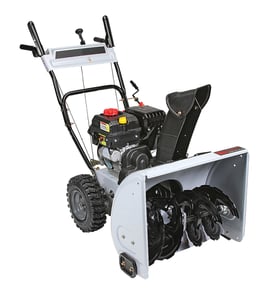



What is the typical lifespan of a gas snowblower?
A gas snowblower like the Craftsman 536886500 typically lasts 10 to 20 years. In real-world use, 12 to 15 years is common when you keep up with oil changes, friction disc and belt wear, and off-season fuel storage; neglected units often wear out much sooner.
Typical lifespan by use and care
Lifespan depends more on maintenance and storage than on hours alone.
- Light use (small driveway, a few storms/year): 15 to 20 years
- Moderate use (regular storms, normal snow depth): 12 to 15 years
- Heavy use (long driveway, wet snow, frequent storms): 8 to 12 years
- Poor storage (fuel left untreated, outdoors uncovered): 5 to 10 years
What usually wears out first (and why it matters)
These are the parts and systems that most often determine whether a 23-inch snow blower stays reliable.
- Friction disc / drive system: causes slipping, weak drive, or no forward motion
- Auger belt and drive belt: causes poor throwing or intermittent auger operation
- Shear pins/bolts: protect the auger gearbox; frequent breakage signals jams or technique issues
- Skid shoes and scraper bar: affect clearing performance and can accelerate housing wear
- Carburetor and fuel system: varnish from old fuel leads to hard starting and surging
Why it matters
When these wear items are ignored, the machine can feel “worn out” even if the engine still has plenty of life.
Repair vs. replace: a practical rule
Use this quick check to decide whether a repair makes sense.
| Situation | What it usually means | Typical next step |
|---|---|---|
| Starts easily, throws well, but drive slips | Wear item (friction disc/belt) | Repair is usually worth it |
| Hard starting after storage, runs rough | Fuel system issue | Clean/service fuel system |
| Multiple major issues at once | Compounding wear | Compare repair cost to value |
| Repair estimate is over ~50% of replacement cost | Poor return on investment | Replacement often makes sense |
Maintenance that adds years
- Change engine oil on schedule and check level before each season
- Use fresh fuel and stabilize fuel for storage
- Clear packed snow and ice after use; let it dry before covering
- Inspect belts, skid shoes, scraper bar, and shear pins each season
- Keep fasteners tight and lubricate moving points as recommended
For model-specific parts lookups and diagrams for the Craftsman 536886500, start with the parts list for this model, or search by model number on Sears PartsDirect.
Last updated: February 2026
Should I spray my snowblower with WD-40?
Yes; for a Craftsman snowblower model 536886500, a light spray on the inside of the discharge chute and impeller housing helps reduce snow sticking and chute clogs during use. Keep it off belts, friction drive parts, and hot engine/exhaust surfaces so you do not create slipping or smoke.
Where it helps (and where it causes problems)
Use a light coating only on slick, snow-contact surfaces.
Good places to spray
- Inside the chute (especially the curve where snow packs)
- Chute deflector underside
- Impeller housing surfaces that contact wet snow
Places to avoid
- Drive belts and pulleys (slip risk)
- Friction disc and friction plate (loss of drive)
- Tires and traction areas
- Engine, muffler, and any hot surfaces
- Control cables where you need consistent grip (unless you are specifically lubricating a cable)
Best practice: what to use and how often
WD-40 can work as a short-term anti-stick coating, but silicone spray is typically the better choice for snow shedding because it stays slick longer.
| Option | Anti-stick performance | How often to reapply | Notes |
|---|---|---|---|
| WD-40 (general purpose) | Good | Often (sometimes every storm) | Can attract grime; keep off drive components |
| Silicone spray | Very good | Less often | Common choice for chute and housing |
| Nonstick cooking spray | Fair to good | Often | Messy; can wash off quickly |
Why it matters
Wet, heavy snow can pack inside the chute and slow discharge; that forces the auger and impeller to work harder and can lead to repeated clogs. A clean, slick chute improves throwing distance and reduces downtime.
Quick steps we recommend
- Shut the engine off, remove the key (if equipped), and let hot parts cool.
- Brush out packed snow and ice first; spray works best on clean metal.
- Apply a light coat to the chute and housing; wipe overspray.
- Test drive engagement briefly; if anything slips, clean overspray off immediately.
For parts diagrams and replacement items for model 536886500, start with the model parts list, or search by model number on Sears PartsDirect.
Last updated: February 2026
Is it cheaper to repair or replace a snowblower?
For a Craftsman 536886500 23" snow blower, it’s cheaper to repair when the fix is routine and the total repair cost stays under about 50% of the price of a comparable new snowblower. Replacing makes more sense when you’re facing repeated breakdowns or major drivetrain or engine work.
Quick decision checklist
- Repair when the problem is basic maintenance (spark plug, shear pins, belts, skid shoes, scraper bar)
- Repair when the machine still starts easily and throws snow strongly
- Replace when repairs are frequent across multiple seasons
- Replace when the engine has low compression, heavy oil burning, or severe internal damage
- Replace when the auger drive, friction drive, or transmission issues keep returning
- Replace when the frame, auger housing, or key structural areas are badly rusted or cracked
Typical cost comparison (rule-of-thumb)
| Scenario | What it usually involves | Best choice |
|---|---|---|
| Minor no-start or poor running | Fuel system cleaning, spark plug, carb adjustment | Repair |
| Poor snow throwing | Worn belts, worn scraper bar, worn skid shoes | Repair |
| Major powertrain failure | Engine rebuild/replace, transmission or friction drive overhaul | Replace |
Why the 50% rule matters
Once a repair estimate climbs past roughly half the cost of a new machine, you’re paying a lot without getting a full reset on wear items like bearings, cables, belts, and friction components. That is why a “big” repair often leads to more follow-up repairs.
What we recommend for model 536886500 owners
- Add up parts plus labor for the current repair.
- Compare that total to a comparable new 2-stage snowblower.
- If you are near the 50% mark, prioritize reliability: repeated no-starts, drive slipping, or weak throwing performance usually signals it’s time to replace.
Parts and diagrams help you decide faster
Even when you plan to replace, checking the parts breakdown can confirm whether the issue is a simple wear item (belt, cable, skid shoe) or a bigger assembly. We list model-specific diagrams and replacement parts by model number; you can also search by model on Sears PartsDirect.
Last updated: February 2026
What is the best rated gas snow blower?
The “best rated” gas snow blower is the one that matches your snowfall depth, driveway size, and how often you clear; for most homeowners, a two-stage gas unit in the 24 to 28 inch class is the top-rated style because it handles deep, heavy snow reliably. If you already own a Craftsman 536886500, keeping it tuned and using the correct replacement parts often delivers performance comparable to many newer machines.
How to choose the best-rated type (what ratings usually reward)
Most reviews and owner ratings favor machines that start easily, throw snow consistently, and hold up over multiple winters.
- Single-stage gas: best for lighter snow and smaller areas; faster and simpler
- Two-stage gas: best overall for most regions; handles plow-packed snow better
- Three-stage gas: best for frequent heavy snow; more aggressive intake but more complexity
- Electric start: improves cold-weather convenience
- Self-propelled drive: reduces effort on long or sloped driveways
Quick match guide (snowfall vs. machine style)
| Your typical conditions | Best match | Why it tends to rate well |
|---|---|---|
| Light snow, short driveway | Single-stage gas | Simple, quick, easy to maneuver |
| Mixed snow, medium to large driveway | Two-stage gas | Strong all-around clearing and durability |
| Heavy, frequent storms and end-of-driveway piles | Three-stage gas | Faster intake in deep, dense snow |
What to look for in “top-rated” gas models
Instead of chasing one brand name, compare these specs and features across models:
- Clearing width: most homeowners prefer 24 to 28 inches for speed without being too bulky
- Intake height and auger design: helps with deeper snow and crust
- Engine size (cc): higher cc usually means more reserve power in wet snow
- Chute control: quick, glove-friendly controls improve real-world usability
- Serviceability: easy access to belts, shear pins, skid shoes, and scraper bar keeps ratings high
Why it matters for Craftsman 536886500 owners
If your Craftsman 536886500 is hard to start, leaves snow behind, or does not throw far, the issue is often maintenance or wear items (fuel system, belts, friction drive, skid shoes, scraper bar, shear pins) rather than the core machine design. Restoring those basics is the fastest path to “best-rated” performance from the snow blower you already own.
Getting the right parts
We recommend matching parts by the full model number (536886500) to avoid fit issues. Start with the parts list for your model, or search by model number on Sears PartsDirect.
Last updated: February 2026