 Error Codes
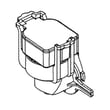


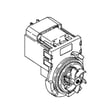
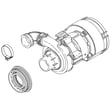

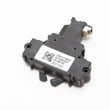

What is the most common problem with a GE dishwasher?
The most common issue we see with GE dishwashers like model CDT805P2N4S1 is a no-start or no-run complaint. In most cases, the root cause is simple (power, door not latching) or a failed start-related component such as the door latch or control.
Quick checks first (no tools)
- Confirm the dishwasher has power (breaker on, outlet powered if applicable).
- Make sure the door is fully closed and latches firmly.
- Cancel the cycle and restart a normal wash.
- Check that the control panel responds to button presses.
- Look for standing water that could indicate a drain issue preventing normal operation.
Most common causes and what they look like
| Symptom | What it usually points to | Common related part on this model |
|---|---|---|
| No lights, totally dead | Power supply issue or thermal fuse/wiring problem | Dishwasher wire harness and thermal fuse WD21X27402 |
| Lights on, won’t start | Door not sensing “closed” or latch failure | GE dishwasher door latch lock WD21X10490 |
| Starts then stops, odd behavior | Control not processing inputs correctly | Configured machine control board WD21X30998 |
| Won’t drain, cycle won’t finish | Drain restriction or failed drain pump | Dishwasher drain pump WD19X25461 |
Why it matters
A dishwasher that will not start is often protecting you from a leak or unsafe operation (for example, it will not run if the door switch is not made). Fixing the true cause first prevents repeat failures and avoids replacing good parts.
If you see an error code
Use the code to narrow the diagnosis before ordering parts. Our GE electronic dishwasher error codes guide is the fastest way to match the code to likely causes (latch, drain, fill, heating, or control).
Last updated: February 2026
What is the average life expectancy of a GE dishwasher?
Most GE dishwashers, including model CDT805P2N4S1, typically last 10 to 15 years with normal use and basic maintenance. If you are seeing leaks, poor cleaning, or loud operation, targeted repairs often extend service life and restore performance.
Typical lifespan and what affects it
A dishwasher’s lifespan depends most on water quality, loading habits, and how quickly small issues are fixed.
- Hard water and heavy detergent use can speed up wear and buildup
- Clogged filters or spray paths reduce cleaning and strain the wash system
- Small leaks can damage components if ignored
- Frequent short cycles can leave grease and soil behind
- Replacing worn seals and rollers helps prevent bigger failures
Signs your dishwasher is nearing end of life
These symptoms usually mean a key system (drain, wash, heat, or door sealing) needs attention.
| Symptom | Common cause | Parts on this model page that often relate |
|---|---|---|
| Water left in tub | Drain restriction or weak pump | Dishwasher drain pump WD19X25461, dishwasher drain hose WD24X10062 |
| Dishes not drying | Heating problem or airflow issue | Heating element WD05X35098 |
| Leaks at the door or tub | Worn gasket or seal | Dishwasher tub gasket WD08X23477, dishwasher door vent seal WD08X10092 |
| Won’t start or stops mid-cycle | Door latch not engaging | GE dishwasher door latch lock WD21X10490 |
Why it matters
Knowing the typical 10 to 15 year lifespan helps you decide whether to repair or replace. If your CDT805P2N4S1 is under about 10 years old, fixing a specific failure (like a drain pump, gasket, or heating element) is often the most cost-effective path.
Helpful next step for troubleshooting
If your dishwasher is showing an error code, use our GE electronic dishwasher error codes guide to match the code to likely causes and the right repair direction.
Last updated: February 2026
Is it worth repairing a GE dishwasher?
Yes, repairing a GE dishwasher like model CDT805P2N4S1 is usually worth it when the problem is isolated (drain, heat, latch, or a leak) and the tub is in good shape. Replacing a common failed part often restores performance for far less than the cost and hassle of a new installation.
Quick way to decide
- Repair it if it drains poorly, won’t heat/dry, won’t latch, or has a minor leak from a seal or hose.
- Replace it if the tub is damaged, it has repeated major failures, or multiple expensive parts are needed at once.
- If the dishwasher is otherwise cleaning well and the racks and door are solid, a targeted repair is the better value.
Common repairs that are typically worth doing
These are frequent failure points on dishwashers and are often straightforward fixes:
- Not draining: check the drain path; replace the dishwasher drain pump WD19X25461 if the pump is seized or noisy.
- Weak wash or fill-related issues: a sensor issue can affect operation; consider the GE dishwasher pressure sensor WD21X25468 when diagnostics point to water level/pressure feedback.
- Not drying or not heating: a failed heater can cause poor drying; replace the heating element WD05X35098 if it tests bad.
- Won’t start because it won’t latch: replace the GE dishwasher door latch lock WD21X10490 if the door won’t consistently click shut.
- Leaks at the door or tub edge: replace the dishwasher tub gasket WD08X23477 if the gasket is torn, flattened, or hardened.
Cost and effort comparison (typical)
| Situation | Typical outcome | Usual recommendation |
|---|---|---|
| Single failed pump, heater, latch, hose, or gasket | Restores normal operation | Repair |
| Multiple major parts needed (pump + control + UI, etc.) | Higher total cost | Compare repair total to replacement |
| Structural issue (tub damage, severe corrosion) | Leak risk remains | Replace |
Why it matters
A dishwasher repair is most cost-effective when it solves the root cause in one visit. Fixing the correct component (drain pump, heating circuit, latch, or gasket) prevents repeat symptoms like standing water, poor drying, or intermittent starting.
Helpful troubleshooting resource
If your dishwasher is showing a code or beeping pattern, use GE electronic dishwasher error codes to match the symptom to likely causes before ordering parts.
Last updated: February 2026
What are the commonly replaced parts in a dishwasher?
In a GE dishwasher like model CDT805P2N4S1, the most commonly replaced parts are the ones that handle sealing, draining, heating, and washing action. Typical replacements include door seals and gaskets, drain and wash pumps, the heating element, the detergent dispenser, and control components.
Commonly replaced dishwasher parts (and what they do)
- Door seals and gaskets: prevent leaks around the door and tub
- Drain system parts: move water out of the tub (pump and drain hose)
- Wash system parts: circulate water through spray arms and filters (wash pump, diverter)
- Heating parts: heat water and help drying (heating element)
- Dispensing parts: release detergent at the right time (dispenser)
- Controls and safety parts: manage cycles and protect wiring (control board, harness, thermal fuse)
Model-specific examples for GE CDT805P2N4S1
These are common replacement parts we see for this model:
| Symptom | Likely part category | Example part on this model page |
|---|---|---|
| Not draining, water left in bottom | Drain system | Dishwasher drain pump WD19X25461 or dishwasher drain hose WD24X10062 |
| Not drying, water not heating | Heating | Heating element WD05X35098 |
| Leaking at door or tub edge | Seals/gaskets | Dishwasher tub gasket WD08X23477 |
| Detergent door not opening | Dispenser | Dishwasher detergent dispenser WD12X32798 |
| Won’t start or stops mid-cycle | Latch/controls | GE dishwasher door latch lock WD21X10490 or configured machine control board WD21X30998 |
Why it matters
Replacing the right part first saves time and prevents repeat failures. For example, a “not draining” complaint is often a clog or hose issue, but a weak drain pump can produce the same symptom. Matching the symptom to the system (drain, wash, heat, seal, or control) helps you troubleshoot efficiently.
Quick troubleshooting tips before ordering parts
- Check the filter area and sump for debris that can block draining or washing.
- Confirm the door closes and latches firmly; many GE dishwashers will not run if the latch is not made.
- For poor cleaning, inspect spray paths and loading; see dishwasher not cleaning dishes video.
- For standing water, verify the drain hose routing and air gap/high loop; see dishwasher not draining video.
- If an error code is showing, use GE dishwasher error codes to narrow the failure to a specific system.
Last updated: February 2026





