Owner’s manual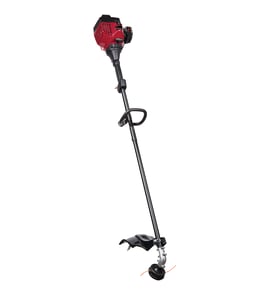

What is the lifespan of a line trimmer?
A gas line trimmer like the Weed Eater XT700 typically lasts 900 to 1,200 operating hours with proper care and normal use. Lifespan depends most on fuel quality, air filtration, cutting technique, and how consistently you follow the maintenance steps in the XT700 owner's manual.
What affects lifespan the most
- Fuel and storage habits: Fresh, properly mixed fuel and draining or stabilizing fuel for storage prevents carburetor issues.
- Airflow and filtration: A clean air filter reduces cylinder and piston wear.
- Cutting technique: Avoid “crowding” the line into the cutting area; use only the tip of the line for trimming.
- Throttle use: Run less than full throttle when you can; it reduces vibration and wear while still cutting efficiently.
- Head and line wear: Tap the head on grass (not concrete) to advance line and reduce trimmer head wear.
Quick care checklist for longer trimmer life
- Use the correct cutting line diameter (the manual specifies 0.080 in (2 mm)).
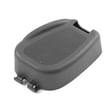
- Keep the debris shield installed; it helps control line length and protects the head.
- Let the engine return to idle when you are not cutting.
- Stop the engine using the STOP switch procedure in the manual.
- Replace cracked or hardened fuel lines to prevent lean running (a common cause of engine damage).
Common wear items and what they do
| Part | What it impacts | Typical symptom when worn |
|---|---|---|
| Fuel line | Fuel delivery | Hard starting, surging, stalling |
| Carburetor | Fuel metering | Won’t idle, bogs on throttle |
| Starter | Cranking | Rope won’t retract, won’t engage |
| Gearbox | Cutting head drive | Noise, vibration, weak cutting |
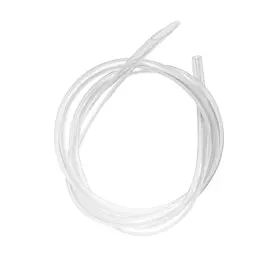
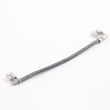
If you’re seeing fuel delivery problems on the XT700, the ayp lawn & garden equipment fuel line, large 530069216 is a common replacement part to check first.
Why it matters
A trimmer that runs lean (often from fuel or air issues) wears out the piston and cylinder much faster. Using the right line, avoiding excessive throttle, and following the operating guidance in the manual directly reduces engine load and extends service life.
Last updated: February 2026
How to replace a line trimmer head?
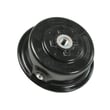
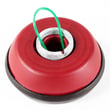
To replace the cutting head on your Weed EATER XT700 trimmer, lock the shaft through the gearbox access hole with a small screwdriver, then unthread the head (it loosens clockwise) and thread the new head on (tightens counterclockwise) until secure; remove the screwdriver when finished. For diagrams and safety steps, use the XT700 owner’s manual.
Safety and prep
- Let the engine cool completely.
- Disconnect the spark plug before maintenance.
- Wear gloves and eye protection.
- Replace any trimmer head parts that are cracked, chipped, or broken.
- Confirm the debris shield is installed before operating.
Step-by-step: replace the cutting head
- Rotate the dust cup until its hole lines up with the hole in the side of the gearbox.
- Insert a small screwdriver into the aligned holes to keep the shaft from turning.
- Remove the trimmer head by turning it clockwise.
- Install the replacement head by threading it on counterclockwise.
- Tighten until secure, then remove the screwdriver.
Direction cheat sheet
| Task | Turn direction | What happens |
|---|---|---|
| Remove trimmer head | Clockwise | Loosens and comes off |
| Install trimmer head | Counterclockwise | Tightens onto shaft |
Why it matters
The XT700 uses a locking-hole method to keep the driveshaft from spinning. Using the correct lock point and thread direction prevents stripped threads, gearbox damage, and a head that can loosen while trimming.
Last updated: February 2026
Why does the cable in my strimmer line keep breaking?
On the Weed Eater XT700 gas line trimmer, the cutting line most often breaks because it is being forced into hard surfaces (concrete, rocks, edging) or run too long or too short for the line limiter. Using the correct 0.080 inch (2 mm) line and proper technique prevents repeated snap-offs.
Quick checks that stop repeat breakage
- Use only 0.080 inch (2 mm) diameter trimmer line (the manual specifies this size).
- Keep the debris shield installed; it supports the line limiter that controls line length.
- Avoid tapping the head on concrete or asphalt; tap on grass only when advancing line.
- Do not “crowd” the line into the cut; let the tip do the work.
- Run only as fast as needed; lower throttle often makes line last longer.
Correct line length and feed technique (XT700)
The XT700 bump-feed advances about 2 inches (5 cm) of line per tap when the engine is at full throttle. If you tap repeatedly or on hard ground, the head and line wear faster and the line can snap.
| What you do | What happens | Better approach |
|---|---|---|
| Trim against rocks, fence posts, edging | Line nicks and breaks quickly | Keep a small gap; “kiss” the grass with the line tip |
| Tap head on concrete/asphalt | Excessive head wear and line damage | Tap on grass only |
| Run full throttle constantly | More heat and wear | Use the lowest throttle that still cuts cleanly |
Why it matters
Frequent line breakage is usually a technique or setup issue, but it can also signal a worn trimmer head, missing shield, or damaged spool area. Fixing the cause saves line, reduces vibration, and helps protect the gearbox and engine from unnecessary stress.
When to inspect parts
If you are using the correct line and technique and it still breaks, inspect for cracks or damage in the head area and confirm the unit is assembled correctly per the XT700 owner’s manual. For fuel-related running issues that can make you over-throttle and shred line, also check for cracked or loose fuel tubing such as the ayp lawn & garden equipment fuel line, large 530069216.
Last updated: February 2026
What are the common problems with weed eaters?
The most common problems we see on the Weed Eater XT700 gas line trimmer are no-start, hard starting, rough running, low power, and excessive vibration. These issues usually trace back to fuel delivery (stale fuel, cracked fuel line), air flow restrictions, ignition wear, or a carburetor that needs service; use the XT700 owner’s manual for model-specific checks and maintenance intervals.
Common symptoms and likely causes
- Won’t start / starts then dies: old fuel, restricted fuel line, carburetor issues, weak spark
- Runs rough / surges: air leak, dirty carburetor passages, fuel restriction
- Low power: clogged muffler or spark arrestor screen, fuel starvation, engine wear
- String head problems: incorrect line size, improper winding, worn gearbox components
- Excessive vibration: loose fasteners, damaged cutting head, bent shaft, failing bearings
Quick checks we recommend (in order)
- Fuel: Drain old fuel and refill with fresh, properly mixed fuel (if your XT700 is 2-cycle). Inspect the tank for debris.
- Fuel line condition: Look for cracks, soft spots, or loose connections; replace the ayp lawn & garden equipment fuel line, large 530069216 if it’s leaking or collapsing.
- Air and exhaust flow: Clean/replace the air filter; check the muffler outlet and spark arrestor for carbon buildup.
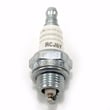
- Ignition basics: Inspect the spark plug condition and gap; confirm the plug wire is firmly seated.
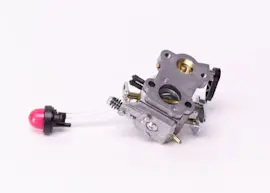
- Carburetion: If it only runs on choke or won’t idle, the carburetor or adapter may be leaking or restricted.
Symptom-to-fix guide
| Symptom | Most common fix | What to inspect first |
|---|---|---|
| No start | Fresh fuel, spark plug service | Fuel quality, plug condition |
| Starts then stalls | Fuel delivery repair | Fuel line, carburetor |
| Surging | Carburetor cleaning/adjustment | Air leaks, fuel restriction |
| Low power | Exhaust cleaning | Spark arrestor, muffler |
Why it matters
Fuel and air restrictions make small engines run lean, which increases heat and can shorten engine life. The XT700 manual also notes that proper maintenance helps avoid failures that are considered neglect or improper maintenance under warranty terms.
Last updated: February 2026
What is the difference between a weed wacker and a line trimmer?
A “Weed wacker” and a “line trimmer” are the same type of tool; the terms are used interchangeably. Your Weed EATER XT700 is a gas line trimmer that cuts grass and weeds using rotating nylon line, and it can also edge and clean up around fences, trees, and flower beds.
What people mean by each term
In everyday use, the words usually describe the same machine, but the intent can sound different:
- Weed wacker / Weed Eater: common nickname for a string trimmer, emphasizing cutting weeds
- Line trimmer / string trimmer: more descriptive name for the tool and its cutting method
- Edger (different tool): typically uses a blade and is designed to cut a crisp edge along sidewalks
How the XT700 actually works (and why that matters)
The XT700 feeds and cuts with nylon line. For best performance and to prevent head wear, use the correct line size and operating technique described in the owner's manual.
- Use 0.080 in (2 mm) diameter Weed EATER replacement line
- Run at full throttle to advance line properly
- Tap the trimmer head on grass, not concrete or asphalt
- For trimming/scalping near objects, use less than full throttle to reduce line wear
- Keep the cutting line at the proper length for efficient cutting
Quick comparison
| Term you hear | What it usually refers to | What it does best |
|---|---|---|
| Weed wacker | Line trimmer | General grass and Weed cutting |
| Line trimmer | Line trimmer | Trimming around obstacles and light edging |
| Edger | Blade edger | Clean sidewalk/driveway edges |
Safety and maintenance basics
Because this is a gas trimmer with a spinning head, safe setup and maintenance matter as much as the name.
- Disconnect the spark plug before maintenance (except carburetor adjustments)
- Replace chipped or cracked trimmer head parts before use
- Check for and repair fuel leaks before operating
- Install the required shield and keep the head securely fastened
Why it matters: Using the right line diameter and technique helps the XT700 cut cleaner, reduces trimmer head wear, and prevents damage when working near fences, trees, and hard surfaces.
Last updated: February 2026
How to change a gas line on a weed eater?
To change the gas (fuel) line on your Weed Eater XT700 trimmer, we replace the old fuel hose from the tank to the carburetor, then confirm there are no leaks before starting. Start by following the safety steps in the XT700 owner’s manual and working with the engine cool.
Safety first (before you touch the fuel system)
- Disconnect the spark plug boot before maintenance.
- Work outdoors, away from sparks, flames, and cigarettes.
- Use an approved fuel container and wipe up spills immediately.
- Let the engine cool before removing the fuel cap.
- Inspect for fuel leaks and damaged parts before each use.
Step-by-step: replacing the fuel line
- Empty the tank: Pour fuel into an approved container.
- Open the fuel tank access: Remove the cap and use a clean hook tool or long needle-nose pliers to pull the fuel line and filter pickup toward the opening.
- Remove the old line: Note the routing and which line goes to the carburetor. Pull the old line out of the tank and off the carburetor fitting.
- Install the new line: Feed the new line through the tank hole (a small amount of 2-cycle oil on the hose helps it slide).
- Reconnect inside the tank: Reattach the fuel filter pickup (if equipped) and position it so it can move freely to the lowest point of the tank.
- Reconnect at the carburetor: Push the line fully onto the carburetor inlet fitting; replace any cracked grommet or loose connection.
- Leak check: Add a small amount of fuel mix, reinstall the cap, and look closely for seepage before starting.
Which part do I need?
For the XT700, a common replacement is the ayp lawn & garden equipment fuel line, large 530069216. Match the hose size and routing to what you remove.
| What you see | What it usually means | What to do |
|---|---|---|
| Fuel smell or wet tank area | Split line or loose tank pass-through | Replace fuel line; reseat grommet |
| Engine starts then dies | Filter pickup not reaching fuel or line kinked | Reposition filter; reroute line |
| Won’t start after repair | Line on wrong carb fitting or air leak | Verify routing; tighten connections |
Why it matters
A tight, correctly routed fuel line prevents air leaks that cause hard starting, stalling, and lean running; it also reduces the risk of fuel leaks during operation.
Last updated: February 2026