



How big of an AC unit is needed for a 2000 sq ft house?
For a 2,000 sq ft house, most homes need a 3 to 4 ton central air conditioner (about 36,000 to 48,000 BTU/hr). The correct size depends on your climate, insulation, windows, and ductwork; a Manual J load calculation prevents short-cycling and humidity problems.
Quick sizing range (what “tons” means)
One ton of cooling equals 12,000 BTU/hr.
| Nominal size | Approx. BTU/hr | Typical fit for 2,000 sq ft |
|---|---|---|
| 2.5 ton | 30,000 | Very efficient home or mild climate |
| 3 ton | 36,000 | Common starting point |
| 3.5 ton | 42,000 | Common with average insulation or warmer climates |
| 4 ton | 48,000 | Common in hot climates or high sun exposure |
| 5 ton | 60,000 | Only with high load; confirm with Manual J |
What changes the “right” size the most
- Climate and summer design temperatures
- Insulation and air sealing (attic, doors, penetrations)
- Window area, glass type, and sun exposure
- Ceiling height and open floor plans
- Duct leakage, duct sizing, and return airflow
- Occupancy and internal heat (cooking, electronics)
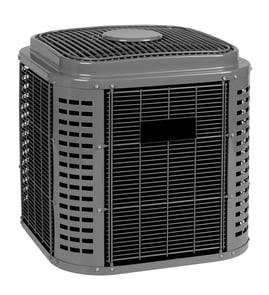
If you are troubleshooting an existing Icp CA5530VKA1 condenser
Before assuming the system is undersized, we focus on restoring proper airflow and outdoor-unit operation. Outdoor fan problems can reduce capacity and raise head pressure.
Common parts tied to condenser airflow include:
- Central air conditioner condenser fan motor 1050892
- Fan blade 1087331
- Central air conditioner condenser fan motor mount 1051460
Why correct sizing matters
Proper sizing improves comfort, humidity control, and efficiency.
| If the unit is… | What you notice | What it causes |
|---|---|---|
| Oversized | Rapid on/off cycles | Poor dehumidification, uneven temps, more wear |
| Undersized | Runs long periods | Struggles on hot days, higher run time |
Last updated: February 2026
What is the average cost of a new central air conditioning unit?
A new central air conditioning system (outdoor condenser plus indoor coil or air handler) typically costs about $5,000 to $12,000 installed in the U.S. For an Icp CA5530VKA1-STYLE central AC condenser replacement, total cost depends most on system size (tons), efficiency (SEER2), ductwork condition, and electrical or refrigerant line upgrades.
Typical price ranges (installed)
- Budget replacement (basic efficiency, minimal changes): $5,000 to $7,500
- Mid-range (higher efficiency, common upgrades): $7,500 to $12,000
- Premium (top efficiency, major modifications): $12,000 to $18,000+
What drives the price the most
- System size (tonnage): larger homes need larger equipment
- Efficiency rating (SEER2): higher efficiency usually costs more up front
- Refrigerant and line set work: leak repairs or line replacement adds labor and materials
- Electrical work: disconnect, whip, breaker, or wiring updates
- Ductwork and airflow fixes: sealing, returns, or static pressure corrections
- Permits and disposal: varies by location and contractor
Repair vs replace: a quick comparison
| Situation | Repair makes sense | Replace makes sense |
|---|---|---|
| Outdoor unit will not start | If it is a simple electrical failure (contactor/capacitor) | If compressor is failed or multiple major parts are failing |
| Cooling is weak | If airflow or a minor electrical issue is found | If there is a recurring refrigerant leak or coil damage |
| Budget | Lowest immediate cost | Better long-term efficiency and reliability |
If you are trying to avoid a full replacement
Some “no-cool” or “won’t start” problems are caused by common electrical or fan issues. For the CA5530VKA1, parts we often see involved include the central air conditioner condenser fan motor 1050892, the fan blade 1087331, and the central air conditioner condenser fan motor mount 1051460.
Basic checks (power off at disconnect first)
- Confirm the thermostat is calling for cooling
- Check the outdoor disconnect and breaker
- Inspect for burned wires or loose terminals
- Listen for contactor chatter or buzzing
- Verify the condenser fan spins freely (by hand, power off)
Why it matters
A correct replacement cost estimate helps you decide whether to invest in a repair (like a fan motor or contactor circuit issue) or plan for a full system upgrade that improves comfort, efficiency, and reliability.
Last updated: February 2026
What is the average lifespan of a central air conditioning unit?
Most central air conditioning units last 15 to 20 years with normal use and regular maintenance. For an Icp CA5530VKA1 cooling condenser, keeping airflow clear and electrical components in good shape is the biggest factor in reaching the high end of that range.
Typical lifespan ranges (what to expect)
- 15 to 20 years: common for many modern central AC systems
- 10 to 12 years: common when maintenance is skipped or the unit runs under heavy strain
- 20+ years: achievable when the system is correctly sized, kept clean, and repaired promptly
What shortens (or extends) AC life
The outdoor condenser works hardest when heat cannot leave the coil efficiently or when electrical parts are failing.
- Dirty or blocked condenser coil and restricted airflow
- Long run times from undersized equipment or poor insulation
- Frequent hard starts (often tied to control or power issues)
- Loose, burnt, or corroded wiring connections
- Fan problems that reduce heat rejection (motor, mount, or blade issues)
Quick checks that help you get the full lifespan
Turn off power at the disconnect before inspecting anything inside the condenser.
- Keep at least 2 feet of clearance around the outdoor unit
- Rinse debris from the outdoor coil (gentle water, no pressure washer)
- Confirm the condenser fan runs smoothly and blows warm air upward
- Watch for buzzing or chattering during startup (often electrical)
- Replace failing electrical controls promptly, such as a central air conditioner condenser fan motor 1050892 or central air conditioner condenser fan motor mount 1051460 when symptoms point there
Common “age vs. repair” decision guide
| If your unit is… | And you see… | Usually makes sense to… |
|---|---|---|
| Under 10 years | Minor electrical or fan issue | Repair and maintain |
| 10 to 15 years | Repeated breakdowns | Compare repair cost vs. replacement |
| 15+ years | Major component failures | Plan for replacement, repair only if cost-effective |
Why it matters
A central AC that is near end-of-life often loses efficiency and reliability. Catching fan and electrical issues early helps protect the compressor, which is the most expensive component in the condenser.
Last updated: February 2026
What is the most expensive part to replace on an AC unit?
On most central AC systems (including Icp model CA5530VKA1), the compressor is typically the most expensive single component to replace because it is the sealed, labor-intensive “heart” of the refrigerant system. If the compressor fails, many homeowners compare repair cost versus replacing the outdoor condenser.
What usually costs the most (and why)
The compressor is expensive because it involves sealed-system work, refrigerant handling, and significant labor. Other parts can be pricey, but they usually do not match compressor-level cost.
Common high-cost items include:
- Compressor (most expensive in most cases)
- Outdoor condenser coil (if damaged or leaking)
- Control board (on some higher-end systems)
- Refrigerant leak repair plus recharge (cost varies by leak location)
- Major electrical repairs (burned wiring, failed disconnect, etc.)
How this relates to your CA5530VKA1 parts
For Icp CA5530VKA1, some of the higher-priced service parts on this model’s parts list include the condenser fan components. For example, a failed fan motor can be a significant repair, but it is still usually less than a compressor replacement.
Here are examples of parts on this model page that can be higher-cost repairs:
- Central air conditioner condenser fan motor 1050892
- Central air conditioner condenser fan motor mount 1051460
- Fan blade 1087331
Quick cost-and-impact comparison
| Part or repair | Typical cost impact | Why it matters |
|---|---|---|
| Compressor | Highest | Cooling stops; repair can approach replacement economics on older units |
| Condenser fan motor | Medium to high | Overheating can damage the compressor if the fan is not moving air |
| Contactor | Low to medium | Unit may not start or may short-cycle |
Why it matters
When the compressor is the failure point, the decision is often less about the part itself and more about total system condition (age, coil condition, prior refrigerant leaks, and electrical health). Catching airflow or electrical issues early (like a failing fan motor or contactor) helps prevent secondary damage.
Last updated: February 2026