Owner’s manual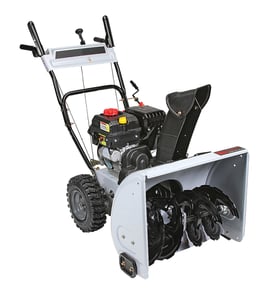



How to get rid of an old snowblower?
If you are getting rid of a Craftsman snow thrower like model 247887910, we recommend draining fuel and engine oil first, then choosing a safe option such as selling it for parts, recycling it as scrap metal, donating it if it runs, or scheduling bulky-item pickup through your local waste program. For fuel-handling and storage safety, follow the 247887910 operator's manual.
Safe prep steps before disposal
Before you move or dispose of a gas snowblower, prep it to reduce spill and fire risk.
- Let the engine cool completely.
- Run the engine until it stops to empty the fuel tank (or drain fuel into an approved container).
- Drain engine oil into a suitable container and take used oil to a proper collection site.
- Remove the ignition key and disconnect the spark plug wire.
- Clean off packed snow, ice, and debris so it is safer to handle.
Best disposal options (from most value to least)
These options work well for older Craftsman machines, even if they do not run.
| Option | Best when | What to do first |
|---|---|---|
| Sell as-is or “for parts” | Engine or auger issues, but frame is usable | Drain fuel and oil; note model 247887910 |
| Donate | Unit starts and drives/throws snow | Drain old fuel; verify basic operation |
| Scrap metal recycler | Major mechanical damage | Drain fluids; transport safely |
| City bulky pickup | You want it gone quickly | Ask if they require fluids drained |
| Junk removal service | No way to haul it | Confirm they accept gas equipment |
Why it matters
Gas snowblowers contain gasoline and engine oil; disposing of them without draining fluids can create spill, fire, and environmental problems. Proper prep also protects your vehicle and makes recycling or donation much easier.
If you are keeping it a bit longer before disposal
If you need to store it until pickup day, follow the off-season storage steps in the 247887910 operator's manual so fuel does not gum up the carburetor and cause leaks.
Last updated: January 2026
Can I use 5W30 instead of SAE 30 in my snowblower?
Yes. For Craftsman snow thrower model 247887910, the operator’s manual specifies SAE 5W-30 engine oil, so using 5W-30 is the correct choice; SAE 30 is not the recommended oil for this model, especially for cold-weather starting (see the 247887910 operator’s manual).
What the manual says for model 247887910
The manual lists the engine oil type as SAE 5W-30 and the engine oil capacity as 37 oz.
- Use 5W-30 (minimum API classification SF/SG noted in the manual)
- Check oil level on a level surface with the engine off
- Do not overfill; overfilling can cause smoking, hard starting, or spark plug fouling
- Change oil after the first 5 hours, then once a season or every 50 hours
Why 5W-30 is typically better than SAE 30 for a snowblower
Snowblowers run in low temperatures; multi-viscosity oil flows better when cold.
- Easier pull-starting and less strain on the starter system
- Faster lubrication on cold starts
- More consistent protection across changing temperatures
Quick comparison
| Oil type | Cold starting | Typical best use | Fit for model 247887910 |
|---|---|---|---|
| SAE 5W-30 | Better | Winter operation | Yes (recommended) |
| SAE 30 | Worse | Warm-weather engines | Not recommended for this model |
Why it matters
Using the specified viscosity helps protect the engine, improves starting performance, and supports proper lubrication during winter operation. It also helps reduce issues like hard starting and spark plug fouling.
Last updated: January 2026
How long should a gas snowblower last?
A Craftsman gas snowblower like model 247887910 typically lasts 10 to 15 years with normal residential use and consistent maintenance. Your operator manual also notes an average useful life of 7 years or about 60 operating hours, which is a safety and inspection benchmark rather than a hard failure date (see the 247887910 operator's manual).
What to expect for model 247887910
Your manual includes a published “average useful life” guideline and a maintenance schedule. Use both to set expectations:
- 7 years / ~60 hours: plan for annual inspections of wear and safety systems once you reach this range
- 10 to 15 years: realistic ownership lifespan when you keep up with oil changes, lubrication, and wear-part replacement
- Shorter lifespan: common when fuel is left to go stale, the unit is stored wet, or it regularly hits gravel/foreign objects
Maintenance that most affects lifespan
These items have the biggest impact on how long the engine, auger system, and drive system last:
- Change engine oil after the first 5 hours, then about every 50 hours or once per season
- Use fresh fuel; don’t store gasoline in the tank for long periods
- Check and service the spark plug on schedule
- Lubricate the drive hex shaft, wheels, and auger shaft at least seasonally
- Replace wear items before they cause secondary damage (belts, skid shoes, shave plate, shear pins)
Quick lifespan guide (practical)
| Usage pattern | Typical outcome | What usually ends it first |
|---|---|---|
| Light use, stored properly | 10 to 15 years | Belts, skid shoes, shear pins, rust |
| Heavy use, wet storage | 7 to 10 years | Corrosion, drive wear, fuel system issues |
| Stale fuel habits | 3 to 8 years | Carburetor and fuel system problems |
Why it matters
A snowblower often “still runs” even when key wear parts are worn out; performance drops (poor throwing distance, slipping drive, vibration) and repairs can cascade. Following the manual schedule helps you avoid expensive drivetrain and auger damage.
Last updated: January 2026