 Error Codes


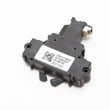
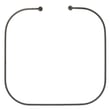
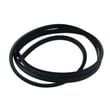

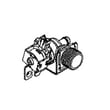
Can I replace dishwasher parts myself?
Yes, for the GE DDT700SFN4DS dishwasher, we can usually replace many common parts ourselves if we’re comfortable turning off power and water and working carefully. Simple mechanical items (like spray arms and rack hardware) are typically DIY-friendly; electrical and leak-related repairs take more care.
Good DIY replacements vs. better left to a pro
DIY-friendly on most dishwashers:
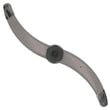
- Dishwasher spray arm, lower WD22X33499 (clogs, cracks, not spinning)
- Dishwasher spray arm, middle WD22X33498 (poor upper-rack cleaning)
- Dishwasher dishrack roller bracket WD01X35298 (rack won’t roll smoothly)
- Dishwasher silverware basket WD28X24469 (broken basket or handle)
Often DIY, but plan for extra steps (water, clamps, testing):
- Dishwasher drain hose WD24X10062 (leaks, kinks, odor)
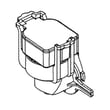
- Dishwasher water inlet valve WD15X26078 (not filling, slow fill)
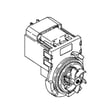
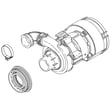
- Dishwasher drain pump WD19X25461 (won’t drain, humming)
Usually advanced (diagnostics and electrical handling):
Before you start (safe, repeatable checklist)
- Shut off the dishwasher breaker; confirm the control panel is off.
- Turn off the water supply valve under the sink.
- Protect the floor; keep towels ready for hose or pump work.
- Take photos of wire connections and hose routing before removal.
- Use the correct driver/bit; avoid stripping plastic mounts and screws.
Quick “symptom to part” guide
| Symptom | Common DIY checks | Parts that often fix it |
|---|---|---|
| Not cleaning well | Clear spray arm holes, verify arms spin freely | Dishwasher spray arm, lower WD22X33499, dishwasher spray arm, middle WD22X33498 |
| Not draining | Check for clogs in hose path, listen for pump hum | Dishwasher drain hose WD24X10062, dishwasher drain pump WD19X25461 |
| Not filling | Confirm water valve is on, check inlet screen | Dishwasher water inlet valve WD15X26078 |
Why it matters
DIY replacement can restore cleaning and draining performance quickly and avoid repeat failures caused by clogs, leaks, or worn moving parts. For control-board and harness issues, correct diagnosis prevents replacing expensive electronics unnecessarily.
For code-based troubleshooting, we use the GE electronic dishwasher error codes reference to match symptoms to likely causes.
Last updated: February 2026
Is it worth repairing a GE dishwasher?
Yes, repairing a GE dishwasher like model DDT700SFN4DS is worth it when the problem is a single, fixable failure and the total repair cost stays well below the price of a comparable new dishwasher. For most households, a dishwasher’s typical lifespan is about 10 years, so age and repair history matter.
Quick decision checklist
- The dishwasher is under 10 years old and has been reliable overall.
- The issue is not recurring (for example, repeated draining or filling failures).
- The repair is straightforward (pump, valve, latch, sensor) rather than multiple electronic issues.
- The estimate is less than about 50% of replacement cost.
- The tub and door seal area show no major leaks or rust damage.
Common repairs that are often worth it on DDT700SFN4DS
These are typical “single-part” fixes that can restore normal washing, draining, or starting:
| Symptom | Likely area | Example part for this model |
|---|---|---|
| Won’t drain, standing water | Drain path / pump | Dishwasher drain pump WD19X25461 |
| Won’t fill or fills slowly | Water supply / valve | Dishwasher water inlet valve WD15X26078 |
| Won’t start or stops mid-cycle | Door latch / door switch | GE dishwasher door latch lock WD21X10490 |
| Poor cleaning on bottom rack | Lower spray system | Dishwasher spray arm, lower WD22X33499 |
When replacement is usually the better move
Replacement makes more sense when the dishwasher is near end-of-life and needs high-cost or repeated repairs.
- Multiple symptoms at once (drain + heat + control problems)
- Frequent service calls in the last 1 to 2 years
- Water damage from ongoing leaks (check the tub seal area)
- A major electrical failure plus another mechanical failure
Why it matters
A dishwasher repair is a good investment when it restores full performance with one targeted part and avoids the cost and hassle of replacement. If the unit is older and repairs are stacking up, replacement typically delivers better long-term reliability.
For troubleshooting before you decide, we recommend checking any displayed fault codes using GE dishwasher error codes.
Last updated: February 2026
What are the commonly replaced parts in a dishwasher?
In the GE DDT700SFN4DS dishwasher, the most commonly replaced parts are the wash and drain components, door sealing and latching parts, and water delivery parts. These items wear from heat, detergent, hard-water buildup, and normal mechanical use, so they are the first places we check when performance drops.
Commonly replaced dishwasher parts (and what they affect)
- Wash performance: spray arms, wash pump, sump and seals
- Draining: drain pump, drain hose
- Filling: water inlet valve, pressure sensor
- Heating and drying: heating element
- Door closing and leak prevention: door latch lock, tub gasket
- Racks and loading: silverware basket, rack rollers, slide rails
Model-matched examples for GE DDT700SFN4DS
| Symptom | Part that often fixes it | What the part does |
|---|---|---|
| Not draining, water left in tub | Dishwasher drain pump WD19X25461 | Pumps water out to the drain line |
| Not filling or fills slowly | Dishwasher water inlet valve WD15X26078 | Opens to let household water into the dishwasher |
| Poor cleaning, weak spray | Dishwasher spray arm, lower WD22X33499 | Distributes wash water to the lower rack |
| Not drying well | Heating element WD05X35098 | Heats water and supports drying performance |
| Door won’t latch or won’t start | GE dishwasher door latch lock WD21X10490 | Confirms the door is closed so the cycle can run |
Quick checks before you replace a part
- Clean the filter area and remove debris (glass, labels, food)
- Confirm the spray arms spin freely and holes are not clogged
- Verify the sink drain is clear and the disposer plug is removed (new installs)
- Check for a kinked drain hose or a blocked air gap (if used)
- Run hot water at the sink before starting to improve wash temperature
Why it matters
Replacing the right part restores cleaning, draining, and drying while preventing secondary damage (like leaks from a worn gasket or pump strain from a clog). When symptoms include beeps or flashing lights, using a code chart speeds diagnosis; see GE electronic dishwasher error codes.
Last updated: February 2026
What if I can't find my part on Sears PartsDirect?
If you can’t find a part for your GE DDT700SFN4DS dishwasher, we recommend confirming the model number from the rating label, then searching by the part name or part number. If it still doesn’t show up, our parts specialists can match the correct replacement using your model and serial information.
Quick checks that usually solve it
- Recheck the model number character-by-character (DDT700SFN4DS) from the dishwasher’s rating label.
- Search using the manufacturer part number (example: WD19X25461) instead of a description.
- Try a simpler keyword (example: “drain pump” instead of “won’t drain motor”).
- Look for the part under a related assembly name (example: “sump” vs. “seal”).
- If your symptom is the main clue, use troubleshooting content to narrow the likely part.
Common parts customers look for on this model
If you’re searching by symptom, these are frequent matches for performance issues on DDT700SFN4DS:
| Symptom | Common part to check | Example part on this model |
|---|---|---|
| Not draining | Drain path and pump | Dishwasher drain pump WD19X25461 |
| Not filling | Water supply and valve | Dishwasher water inlet valve WD15X26078 |
| Not drying | Heater circuit | Heating element WD05X35098 |
| Won’t start or stops | Door latch and switch | GE dishwasher door latch lock WD21X10490 |
Use error codes to pinpoint the right part faster
If your GE dishwasher is showing an error code, we use that code to narrow the failure to a circuit or component (control, sensor, drain, fill, heating). Start with GE electronic dishwasher error codes and match the code to the most likely checks.
Why it matters
Dishwasher parts are often listed under the exact GE assembly name and may appear under a different description than you expect. Searching by model number plus a part number (or using an error code) prevents ordering the wrong component and saves time on the repair.
Last updated: February 2026
What is the average life expectancy of a GE dishwasher?
A GE dishwasher typically lasts 10 to 12 years. For your GE DDT700SFN4DS, regular cleaning, correct detergent use, and fixing small issues early (like poor draining or weak spray) are the biggest factors that help it reach the upper end of that range.
What affects lifespan the most
- Water quality and hard water buildup (scale stresses the heating and wash system)
- Filter and sump cleanliness (prevents pump strain and clogs)
- Door sealing and leaks (water intrusion can damage wiring and controls)
- Loading habits (blocked spray arms reduce cleaning and increase run time)
- Heat and drying performance (longer cycles and poor drying can signal wear)
Quick maintenance that extends life
- Clean the tub and internal surfaces monthly using a dishwasher cleaner; follow our guide: how to clean and maintain your dishwasher
- Check that the spray arms spin freely and holes are not clogged
- Keep the door seal clean and inspect for tears or flattening
- Use rinse aid if you have spotting or poor drying
- Address draining issues quickly so the pump is not overworked
Common “wear items” that can shorten life if ignored
| Symptom | Likely area | Example part for DDT700SFN4DS |
|---|---|---|
| Not draining, standing water | Drain path or pump | Dishwasher drain pump WD19X25461 |
| Not filling or fills slowly | Water supply valve | Dishwasher water inlet valve WD15X26078 |
| Poor cleaning, debris left behind | Spray circulation | Dishwasher spray arm, lower WD22X33499 |
| Leaks at the door | Door/tub sealing | Dishwasher tub gasket WD08X23477 |
Why it matters
Most dishwashers fail early from clogs, leaks, or circulation problems that force longer cycles and extra strain on the wash pump, drain pump, and control system. Keeping water moving freely and preventing leaks is the simplest way to get a full service life.
Last updated: February 2026
What is the most common problem with a GE dishwasher?
The most common GE dishwasher problem we see on models like DDT700SFN4DS is a drainage issue: water stays in the tub because the filter area is blocked, the drain path is restricted, or the drain pump is weak. Leaks and “won’t start” complaints are also frequent.
Most common symptoms and what they usually point to
- Standing water after the cycle: clogged sump/filter area, blocked drain hose, or a failing drain pump
- Slow drain or gurgling: kinked/looped drain hose, disposal inlet plug not removed, partial blockage
- Leaks at the bottom of the door: worn tub gasket, door not closing squarely, over-sudsing
- Won’t start or stops mid-cycle: door latch not engaging, control issue, wiring/thermal fuse problem
- Poor cleaning: spray arm blockage, low water fill, wash pump performance issue
Quick checks we recommend first (no parts needed)
- Cancel/drain the cycle and listen for the drain motor running.
- Check the sink drain/disposal for a backup (a backup can prevent proper dishwasher draining).
- Inspect the drain hose routing for kinks and make sure it has a proper high loop.
- Clean out debris around the sump area and spray arm inlets.
- If the unit shows an error, match it using GE electronic dishwasher error codes.
Parts that commonly solve these problems on DDT700SFN4DS
| Symptom | Common fix | Example part for this model |
|---|---|---|
| Not draining | Replace drain pump | Dishwasher drain pump WD19X25461 |
| Leaking at door | Replace door seal | Dishwasher tub gasket WD08X23477 |
| Won’t start | Replace latch/lock | GE dishwasher door latch lock WD21X10490 |
| Not filling | Replace inlet valve | Dishwasher water inlet valve WD15X26078 |
Why it matters
Drain and fill problems can leave dirty water in the tub, cause odors, and lead to leaks. Catching a restriction early often prevents damage to the wash system (wash pump, spray arms, and seals).
Last updated: February 2026





