Owner’s manual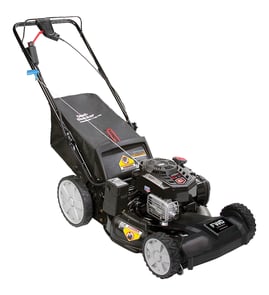
Should I use 87 or 89 gas for lawn mower?
For the Troybilt 12AV565Q711 gas walk-behind mower, use regular unleaded 87-octane gasoline; higher octane (like 89) does not improve performance in typical small mower engines. Follow the fuel and refueling safety steps in the owner's manual.
- Use fresh, clean unleaded gasoline (87 octane).
- Avoid fuel with more than 10% ethanol (E10); higher ethanol blends can cause hard starting and fuel-system issues.
- Do not use old gas that has been sitting for weeks or months; it can varnish the carburetor.
- Keep the fuel cap tight and store fuel only in an approved gasoline container.
The manual’s safety guidance is clear: gasoline is highly flammable, and vapors can explode.
- Shut the engine off and let it cool at least 2 minutes before refueling.
- Refuel outdoors, never indoors or in a poorly ventilated area.
- Keep cigarettes, sparks, and open flames away.
- Wipe up spills; move the mower away from the spill area and wait before starting.
- Do not overfill; leave space for fuel expansion.
| Option | Works in most walk-behind mowers | When it helps | What to do |
|---|---|---|---|
| 87 octane (regular) | Yes | Normal mowing conditions | Use this as your default |
| 89 octane (mid-grade) | Yes | Rarely provides any benefit | Only use if it is the only fresh fuel available |
Using the right fuel helps your Troybilt 12AV565Q711 start easier, run smoother, and reduces carburetor and fuel-line problems. Safe handling also prevents fires and injuries during refueling and storage.
Last updated: February 2026
What kind of gas do I put in my lawn mower?
For your Troybilt 12AV565Q711 gas walk-behind mower, use clean, fresh, unleaded gasoline; 87 octane (87 AKI) or higher is the right choice for most conditions. Avoid old fuel, and handle gasoline carefully because it is highly flammable (see the owner's manual).
- Use fresh unleaded gasoline (buy what you will use within about 30 days).
- Choose 87 octane (87 AKI) or higher.
- Up to 10% ethanol (E10) is acceptable for most small engines.
- Do not use gasoline that smells sour, looks dark, or has been sitting all season.
- Keep the gas cap tight and the tank clean to reduce contamination.
The manual’s safety guidance for fueling applies directly to the 12AV565Q711.
- Shut the engine off and let it cool for at least 2 minutes before refueling.
- Refuel outdoors; never fuel indoors.
- Do not smoke; keep sparks and flames away.
- Wipe up spills; move the mower away and wait 5 minutes before starting if fuel spills.
- Do not overfill; leave space for fuel expansion.
| Topic | Recommendation |
|---|---|
| Octane | 87 AKI minimum |
| Fuel type | Unleaded gasoline |
| Ethanol | Up to 10% (E10) |
| Best practice | Fresh fuel, clean container |
Using the right fuel helps your mower start easier, run smoother, and reduces carburetor and fuel-system problems caused by stale gas or contamination. Safe fueling also prevents fires and injuries.
Last updated: February 2026
What would cause a lawn mower engine to backfire?
On a Troybilt 12AV565Q711 walk-behind mower, engine backfiring is usually caused by an ignition or fuel issue that makes unburned fuel ignite in the muffler or intake. The most common triggers are stale gas, a restricted air filter, a fouled spark plug, or a carburetor mixture problem; use the owner's manual for safe shutdown and basic maintenance steps.
- Stale or contaminated gasoline: old fuel can burn unevenly and pop on decel.
- Dirty air filter: reduces airflow and makes the mixture too rich.
- Spark plug problems: worn, fouled, loose, or incorrect gap can misfire.
- Carburetor issues: varnish, debris, or incorrect mixture can cause lean surging and backfire.
- Loose fasteners or air leaks: intake leaks can create a lean condition.
- Hitting debris: if you strike a foreign object, inspect for damage before restarting.
- Stop the engine safely: release the blade control; disconnect the spark plug wire and ground it against the engine (per the manual).
- Drain and replace fuel if it smells sour or is older than about 30 days.
- Inspect the air filter; clean or replace if dirty.
- Check the spark plug: tighten it, clean/replace if fouled, and set the correct gap.
- Look for obvious looseness: muffler bolts, carb mounting screws, and any cracked hoses.
| When it happens | What it often points to | What to check first |
|---|---|---|
| On startup | Rich mix or weak spark | Air filter, spark plug |
| While mowing under load | Fuel delivery restriction | Fuel quality, carburetor |
| When you release the throttle or stop | Unburned fuel igniting in muffler | Spark plug, carb mixture |
Backfiring is more than noise; it often signals a mixture or ignition problem that can reduce power, increase fuel use, and lead to hard starting. Fixing it early also helps protect the muffler, blade drive performance, and overall engine reliability.
- Use our guide on a how to keep lawn mower gas from going bad to prevent repeat fuel problems.
Last updated: February 2026
How much does it cost to replace a transmission in a riding lawn mower?
A riding mower transmission replacement typically runs $600 to $1,500+ installed (parts plus labor). Your Troybilt 12AV565Q711 is a walk-behind mower, so the comparable “won’t move” repair is usually the self-propel drive system (belt, pulleys, wheel gears), not a riding-mower transaxle; use the 12AV565Q711 owner's manual to identify the correct drive components.
| Repair type | Typical total cost | What it usually includes |
|---|---|---|
| Riding mower transmission/transaxle replacement | $600 to $1,500+ | Transmission or transaxle, fluid/setup (if applicable), labor |
| Walk-behind self-propel drive repair | $75 to $350 | Drive belt, cable/linkage adjustment, wheel gears, small hardware |
| Walk-behind drive unit replacement (if equipped) | $150 to $450 | Drive unit plus belt and setup labor |
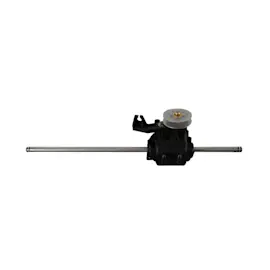
On the Troybilt 12AV565Q711, the manual shows belt access at the drive cover and a transmission pulley; the drive is belt-driven and uses wheel-drive parts.
Check these first:
- Drive belt: stretched, glazed, cracked, or off the pulleys
- Belt keeper wire and pulley alignment: belt can slip if guides are bent
- Drive control cable and engagement: cable out of adjustment reduces drive
- Wheel drive gears: worn pinion gears can stop forward motion (see lawn mower drive pinion gear 717-1761)
- Debris under the deck/drive cover: packed grass can interfere with the belt and pulleys
Replace the drive unit or major drive components when:
- The belt is good and properly routed but the wheels still do not pull
- Gears are stripped repeatedly (often from operating in heavy, wet grass)
- The drive pulley or internal drive components are damaged
Pricing changes a lot depending on whether you truly have a riding mower transmission problem or a walk-behind self-propel drive issue. Confirming the drive layout on the 12AV565Q711 prevents overbuying expensive assemblies.
Last updated: February 2026