Owner’s manual
 Error Codes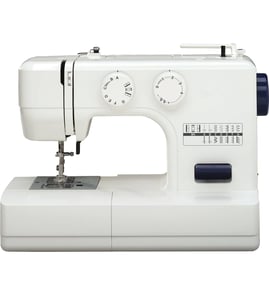

What is the most trouble-free sewing machine?
The most trouble-free sewing machines are typically simple, well-built mechanical models because they have fewer electronics to fail; that same design approach is why the Kenmore 38517824090 is generally straightforward to maintain with regular cleaning, correct threading, and proper needle and fabric setup (see the owner's manual).
What “trouble-free” usually means in real use
A reliable sewing machine is one that stays consistent on common fabrics and does not need frequent re-threading, tension chasing, or service.
Most dependable machines share these traits:
- Mechanical controls (fewer circuit boards and sensors)
- Strong feed system (feed dogs and presser foot pressure work together)
- Easy access for lint removal and routine oiling (when specified)
- Common needle system and readily available accessories
- Stable stitch formation at normal speeds with quality thread
How to choose a low-hassle machine (quick checklist)
Use this checklist when comparing any brand or model:
- Match the machine to your fabric: light garments, denim, canvas, quilting layers
- Confirm presser foot pressure adjustment: helps prevent puckering and feeding issues
- Look for easy maintenance access: bobbin area and feed dogs should be easy to clean
- Prioritize consistent stitch quality over extra decorative stitches
- Plan on routine care: lint removal and correct needle changes prevent most “mystery” problems
Mechanical vs computerized: reliability tradeoffs
| Type | Usually fewer problems with | Common trouble spots | Best for |
|---|---|---|---|
| Mechanical | Basic stitching, long-term durability | Wear items (belt, motor brushes on some designs), lint buildup | Everyday sewing, repairs, learning |
| Computerized | Convenience features, buttonholes, stitch selection | Electronics, sensors, boards, power issues | Feature-heavy sewing, precision options |
Why it matters
Most “problem machines” are actually setup problems: incorrect threading, a bent needle, wrong needle plate, or lint blocking moving parts. Your Kenmore manual specifically calls out safe operation and routine care steps (unplug before removing covers, lubricating, or making adjustments), which directly reduces breakdowns and stitch issues (see the owner's manual).
If you want fewer jams and tension issues (practical habits)
- Re-thread with the presser foot up so tension discs open
- Use the proper needle size and replace needles regularly (do not sew with bent needles)
- Clean lint from the bobbin and feed dog area often
- Set presser foot pressure appropriately for the fabric (then reset for normal sewing)
- Avoid pulling fabric; let the feed dogs move it
Last updated: February 2026
Is Kenmore sewing machine 38517824090 low shank?
Yes. Kenmore sewing machine model 38517824090 is a low bar machine, which uses low-shank presser feet for most standard attachments (such as a walking foot or zigzag foot). This is called out directly in the owner's manual.
What “low shank” means on this model
A low-shank (low bar) machine has a shorter distance from the presser foot bar to the needle plate, so it takes low-shank feet and attachments.
Common low-shank accessories that typically fit this Kenmore 385-series style include:
- Walking foot (even-feed foot)
- Zigzag foot
- Zipper foot
- Buttonhole foot/attachment (when designed for low shank)
- Blind hem foot
Quick fit check before you buy a foot
Use these checks to avoid ordering the wrong presser foot style:
- Confirm your machine is labeled low bar (low shank) in the documentation.
- Compare the attachment method (snap-on vs screw-on) to your current foot holder.
- Make sure the foot is intended for a center-needle machine.
- If you use a specialty attachment (buttonholer, ruffler), verify it is specified for low shank.
Low shank vs other common shank types
| Shank type | Typical identifier | Will it fit 38517824090? |
|---|---|---|
| Low shank (low bar) | Most common home-machine style | Yes |
| High shank | Taller presser bar clearance | No |
| Slant shank | Angled shank design | No |
Why it matters
Using the correct shank style keeps the presser foot aligned with the needle and feed dogs. That helps prevent skipped stitches, needle strikes, and fabric feeding problems.
If you are troubleshooting feeding issues after changing feet, see sewing machine fabric not moving.
Last updated: February 2026
Is it worth repairing an old sewing machine?
Yes, repairing an older Kenmore sewing machine like model 38517824090 is usually worth it when the machine still sews well mechanically and the issue is maintenance-related (cleaning, oiling, tension, or a wearable electrical part). If the repair cost approaches the price of a replacement machine, we recommend prioritizing basic service first.
Quick way to decide
Use this checklist before paying for major service:
- Confirm the machine turns freely by hand (no binding or grinding)
- Re-thread the top thread and bobbin exactly as shown in the owner's manual
- Clean lint from the bobbin area and feed dogs
- Oil only the points specified in the manual (over-oiling can attract lint)
- Check the power cord, foot pedal, and on/off switch for intermittent power
- Compare repair estimate to how often you sew and what fabrics you need to handle
What typically makes repair a good value
Many “old machine” problems are low-cost fixes that restore performance:
| Symptom | Common cause | Typical fix |
|---|---|---|
| Skipping stitches | Needle type/size, threading, tension | New needle, re-thread, tension adjustment |
| Fabric not moving | Feed dogs down, lint buildup | Raise feed dogs, clean and oil |
| Motor hums but won’t run | Jam, belt issue, stiff mechanism | Clear jam, service belt, lubricate |
| Locks up | Thread jam, dry hook area | Remove jam, clean and oil |
For step-by-step troubleshooting paths, we use the symptom guides like sewing machine locks up and sewing machine fabric not moving.
Why it matters
The manual for this Kenmore model emphasizes routine care (threading, tension adjustments, cleaning, and oiling) to prevent unnecessary service expense and keep stitch quality consistent. Following the correct maintenance steps often turns a “needs repair” machine into a reliable everyday sewer.
Safety note before servicing
- Unplug the sewing machine before removing covers, lubricating, or making adjustments
- Turn the handwheel toward you when checking for binding
- Stop immediately if you smell hot insulation or see sparking; address electrical parts first
Last updated: February 2026
When did Kenmore stop making sewing machines?
Kenmore sewing machines, including the Kenmore 38517824090, are discontinued; Kenmore-branded machines were produced by outside manufacturers and were sold through Sears for many years, with the 385-series commonly associated with later production. For model-specific documentation and identification details, use the owner's manual.
What we can confirm for Kenmore 38517824090
The manual for this model shows it is a Kenmore 385-series mechanical machine and explains where to find the model and serial number on the nomenclature plate, which is the best way to date and identify a specific unit.
- The model and serial number are listed on the nomenclature plate (location referenced in the manual).
- This model is described as a center needle, low bar sewing machine.
- The manual emphasizes routine care like cleaning and lubricating (with the machine unplugged).
- When ordering repair parts, the manual instructs using the model number and part description.
How to estimate the age of your specific machine
Because “Kenmore” is a brand label (not a single factory), the most accurate way to place your machine in time is to use the identifiers on the machine itself.
- Record the model number (38517824090) and the serial number from the nomenclature plate.
- Compare your machine’s features to the manual (stitch controls, buttonhole method, accessories).
- Match the machine to the correct parts diagrams for the exact model number.
| What you have | What it tells you | Where to look |
|---|---|---|
| Model number | Exact model family and parts match | Nomenclature plate, manual |
| Serial number | Best clue for production run timing | Nomenclature plate |
| Feature set (stitches, buttonholes) | Helps confirm you have the right manual/parts list | Manual and machine controls |
Why it matters
Knowing when Kenmore stopped making sewing machines is less useful than identifying your exact 38517824090; the correct model and serial information prevents ordering the wrong needle system, bobbin style, or drive components.
Related troubleshooting help
If you are working on a 385-series machine and see a code or unusual behavior, use our Kenmore 385 error codes reference to narrow the issue before replacing parts.
Last updated: February 2026
How old is the Kenmore sewing machine model 38517824090?
Kenmore sewing machine model 38517824090 is from the long-running Kenmore “385” series; those machines were produced over multiple decades, so the exact age depends on the serial number on your machine’s nomenclature plate. We use the serial number to narrow the manufacturing timeframe for your specific unit.
How to find the serial number on model 38517824090
The model and serial number are printed on the nomenclature plate on the back of the machine. The owner's manual shows where to locate that plate and reminds you to record both numbers for future reference.
Use this quick checklist:
- Unplug the sewing machine before handling covers or making adjustments.
- Look on the back of the machine for the nomenclature plate.
- Write down the full model number (38517824090).
- Write down the full serial number exactly as shown.
- Keep the numbers with your manual for parts lookup and service history.
Estimating age: what we can reliably use
Kenmore model numbers that start with 385 identify a large family of Kenmore sewing machines made for Sears over many years. That prefix helps identify the series, but it does not pinpoint a single year by itself.
| What you have | What it tells us | What it does not tell us |
|---|---|---|
| Model number: 38517824090 | Series/family (Kenmore 385) | Exact build year |
| Serial number (from the plate) | Production timeframe for your specific machine | Nothing, if it is missing or unreadable |
Why it matters
Knowing the approximate build date helps us match the right parts and maintenance guidance (threading path, tension settings, and oiling points) and avoid ordering components that fit a different 385-series revision.
Related help for Kenmore 385 machines
If you are troubleshooting and suspect the machine is signaling a fault, use our Kenmore 385 error codes reference to interpret what the machine is indicating and what to check next.
Last updated: February 2026