Installation guide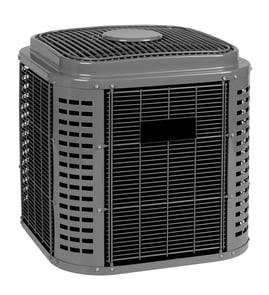




How much should a central air conditioning unit cost?
A typical installed central air conditioning system usually costs $3,000 to $15,000+. For an Icp HAC030AKA1 condensing unit, your final price depends most on system size (tons/BTU), efficiency rating, refrigerant line work, electrical upgrades, and any ductwork or indoor coil changes.
What drives the price the most
- System size and capacity (larger homes need larger tonnage)
- Efficiency level (higher efficiency equipment costs more up front)
- Installation complexity (pad/roof placement, access, crane needs)
- Refrigerant line length and routing (long runs add labor and materials)
- Electrical and controls (disconnect, breaker, wiring, contactor)
- Indoor components (evaporator coil, furnace or air handler compatibility)
Model-specific installation details that affect labor
Your HAC030AKA1 installation requirements can change the bid because clearances and line-set limits affect where the outdoor unit can go and how the refrigerant lines are run.
Key examples from the installation guidance:
- Typical operating clearances are about 48 in. above the unit for discharge air and about 18 in. around the coil for intake air (one side can be reduced to about 6 in. in some layouts).
- Standard recommended refrigerant line length is 75 ft, with maximum vertical separation of 50 ft between outdoor and indoor units.
For the exact placement and clearance rules, use the installation guide.
Quick cost ranges (what you are usually paying for)
| Cost bucket | What it typically includes | Why it changes |
|---|---|---|
| Equipment | Outdoor condenser, indoor coil, controls | Size, efficiency, brand tier |
| Labor | Removal, setting unit, brazing, evacuation, startup | Access, roof vs pad, time |
| Materials | Line set, pad, whip, disconnect, fasteners | Distance, code requirements |
| Add-ons | Ductwork, electrical upgrades, thermostat | Home condition and layout |
Why it matters
A low bid often leaves out essentials like proper clearances, correct refrigerant line sizing/length, and a full startup charge check. Those details directly impact cooling performance, compressor life, and energy use.
Last updated: February 2026
How big of an AC unit is needed for a 2000 sq ft house?
For a typical 2,000 sq ft home, we size central air conditioning at about 3 to 4 tons (roughly 36,000 to 48,000 BTU/hr). The right size depends on your insulation, windows, ceiling height, and climate; a Manual J load calculation gives the correct tonnage and prevents comfort and efficiency problems.
Quick sizing guidelines (what usually changes the tonnage)
Use these common factors to decide whether you land closer to 3 tons or 4 tons:
- Hotter climates or lots of afternoon sun: size tends to increase
- Older, leaky homes or poor attic insulation: size tends to increase
- High-efficiency windows, good air sealing, shaded lot: size tends to decrease
- High ceilings or open floor plans: size tends to increase
- Large internal loads (many occupants, heavy cooking, lots of electronics): size tends to increase
Why “bigger” is not better
An oversized condenser can cool the air too fast and shut off before it removes enough humidity. That leads to clammy comfort, more cycling, and extra wear on electrical parts like the contactor.
What you typically see
| If the system is... | Common symptom | What it causes |
|---|---|---|
| Undersized | Runs almost nonstop on hot days | Higher bills, uneven temps |
| Oversized | Short cycles (on and off often) | Poor humidity control, more wear |
| Correctly sized | Longer, steadier run times | Best comfort and efficiency |
How this relates to Icp HAC030AKA1 installation
Even with the right tonnage, performance depends on proper installation and airflow around the outdoor condensing unit. For Icp HAC030AKA1, follow the clearance and placement guidance in the installation guide. Good clearances help prevent hot discharge air from recirculating back into the coil, which reduces capacity and efficiency.
Parts that often get checked during sizing or replacement work
If you are replacing an outdoor unit or troubleshooting cycling issues, these parts are commonly inspected:
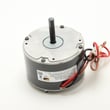
- Central air conditioner condenser fan motor 1086598 (keeps air moving through the condenser coil)
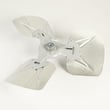
- Central air conditioner condenser fan blade 1085958 (moves air; damage can reduce airflow)
Why it matters
Correct sizing protects comfort, humidity control, and compressor life. It also helps your system meet its rated efficiency, especially when refrigerant line length, airflow, and outdoor clearances match the installation requirements.
Last updated: February 2026
What is the average lifespan of a central air conditioning unit?
A central air conditioning condensing unit like the Icp HAC030AKA1 lasts 15 to 20 years. Lifespan is driven by correct installation (clearances, drainage, airflow), electrical condition (switching and wiring), and routine maintenance that keeps the condenser coil and fan operating efficiently.
Typical lifespan ranges
- 15 to 20 years: Normal use with regular maintenance
- 10 to 12 years: Poor airflow, frequent electrical problems, or harsh conditions
- 20+ years: Proper installation, clean coil, and prompt repairs when symptoms start
Installation factors that protect longevity (HAC030AKA1)
The HAC030AKA1 installation guidance emphasizes placement and airflow; these reduce heat stress on the compressor and condenser fan. Use the installation guide to confirm your setup.
- Avoid recessed or confined locations that cause hot-air recirculation
- Support the unit level and above grade so runoff does not enter the cabinet
- Keep away from lint and exhaust sources (for example, dryer vents)
- Maintain service access so cleaning and electrical checks actually get done
- Keep coil intake sides clear so the fan can move air properly
Quick checklist to help your unit reach 15 to 20 years
- Keep about 48 inches above the unit for discharge air when practical
- Keep about 18 inches around the coil on three sides for intake air when practical
- Allow about 24 inches service clearance at the control box end/side when possible
- Keep the condenser coil and fan area clear of leaves, grass clippings, and lint
- If the fan is noisy or slow, inspect the fan components early (see central air conditioner condenser fan motor 1086598 and central air conditioner condenser fan blade 1085958)
“Repair vs. replace” indicators
| What you notice | What it often points to | What we recommend first |
|---|---|---|
| No-cool episodes that come and go | Electrical control issue, airflow restriction | Check airflow clearances; inspect wiring and controls |
| Loud fan noise or poor airflow | Worn fan motor or blade | Inspect motor and blade; correct any rubbing or wobble |
| Higher bills with longer run times | Dirty coil, restricted airflow, charge/airflow mismatch | Clean coil; verify airflow per installation guidance |
Why it matters
Most early central AC failures come from heat and electrical stress. Correct clearances, good drainage, and a healthy condenser fan reduce operating temperature and protect the compressor.
Last updated: February 2026
What is the most expensive part to replace on an AC unit?
On most central AC condensing units like the Icp HAC030AKA1, the most expensive single repair is the compressor because it is a sealed-system component and the job includes refrigerant recovery, evacuation, and recharging. Evaporator or condenser coil replacements can also be high-cost repairs.
What usually costs the most (and why)
These repairs typically create the highest total bill on a central air conditioner:
- Compressor replacement: highest labor intensity plus sealed-system procedures
- Coil replacement (evaporator or condenser coil): major disassembly plus refrigerant work
- Refrigerant leak repair and recharge: time-consuming leak detection and proper charging
- Electrical diagnosis with multiple parts: troubleshooting time plus component swaps
Cost drivers: what makes a repair “expensive”
| Repair area | Main cost driver | What’s included |
|---|---|---|
| Sealed system (compressor, coils, leaks) | Labor + refrigerant handling | Recover, evacuate, weigh-in charge, verify performance |
| Airflow and fan issues | Parts + labor | Motor/blade replacement, wiring checks, airflow verification |
| Electrical problems | Diagnostic time | Testing, tracing circuits, replacing failed controls |
Parts on the HAC030AKA1 that can affect total repair cost
These parts are on our parts list for this model and are commonly involved in “no cooling,” overheating, or “unit will not start” symptoms:
- Central air conditioner condenser fan motor 1086598
- Central air conditioner condenser fan blade 1085958
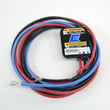
- Contactor (part number 1050699)
Why it matters
If the condenser fan motor or fan blade fails, the unit can overheat and shut down; repeated overheating is hard on major components. Following clearance and service safety guidance in the installation guide helps prevent heat recirculation and vibration issues.
Last updated: February 2026