





How do I find the specs for my Briggs & Stratton engine?
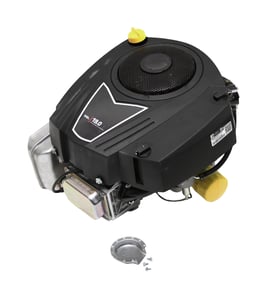
For your Briggs engine model 446777-0165-E1, the fastest way to get the correct specs is to use the engine’s Model, Type, and Code numbers from the ID label or stamping on the engine, then match those numbers to the correct parts and service information (filters, ignition, fuel system, and charging components). Reference parts like the Briggs & stratton lawn and garden equipment engine oil filter 696854 to confirm you are working from the right engine family.
Where to find the Model, Type, and Code numbers
On most Briggs lawn and garden engines, the ID information is on a label or stamped into the blower housing or valve cover area. Check these common spots:
- On the valve cover
- On the blower housing (recoil or fan shroud area)
- Near the spark plug
- Near the muffler or heat shield
- On a metal tag or printed label on the engine
What specs you can look up once you have the numbers
Once you have Model, Type, and Code, you can identify the exact configuration and pull the specs that matter for maintenance and repair, such as:
- Oil capacity and recommended oil viscosity
- Air filter and oil filter style
- Fuel filter type and fuel line routing
- Ignition system details (coil and spark plug type)
- Charging system output (alternator and regulator)
- Tune-up intervals and torque specs for common fasteners
Quick parts cross-check for this model page
If you are already on the 446777-0165-E1 parts listing, these common maintenance parts help confirm you are in the right place:
| Maintenance area | Example part on this model page | What it supports |
|---|---|---|
| Oil system | Oil filter | Routine oil changes and engine protection |
| Air intake | Air filter cartridge | Prevents dirt ingestion and power loss |
| Fuel system | Fuel filter, fuel line | Helps prevent hard starting and surging |
| Ignition | Ignition coil | Restores spark when there is no ignition |
Why it matters
Briggs engines often share the same base model number but differ by Type and Code; those differences change the correct carburetor setup, governor linkage, charging system, and even which gasket set fits. Using the full ID prevents ordering the wrong parts and speeds up troubleshooting.
Last updated: February 2026
What oil goes in a HP Briggs and Stratton engine?
For the Briggs 446777-0165-E1 lawn and garden engine, we use SAE 10W-30 for most conditions; it provides reliable lubrication across typical mowing temperatures. In consistently hot weather, SAE 30 is common; in cold starts, 5W-30 synthetic is a strong choice.
Recommended oil by temperature
Use this as a practical guide for a Briggs and Stratton V-twin style lawn and garden engine like model 446777-0165-E1.
| Outdoor temperature | Common oil choice | Why it works |
|---|---|---|
| Below 40°F | 5W-30 (synthetic preferred) | Easier starting, faster oil flow |
| 40°F to 100°F | 10W-30 | Best all-around protection |
| Mostly above 80°F | SAE 30 | Holds viscosity better in heat |
What to do before you add oil
- Park the equipment on level ground and let the engine cool.
- Check the dipstick first; do not overfill.
- Use a clean funnel and a sealed container of oil.
- If the oil looks milky or smells like gas, change it before running.
- Replace the oil filter during oil changes when your engine uses one (see lawn and garden equipment engine oil filter 696854).
Oil change tips (quick checklist)
- Change oil more often in dusty mowing conditions.
- Warm the engine briefly, then shut it off to drain oil faster.
- Inspect for leaks around the drain plug and filter after refilling.
- Dispose of used oil properly.
Why it matters
Correct viscosity helps your Briggs engine maintain oil pressure, reduce wear on internal parts, and start easier in cooler weather. Using oil that is too thick in cold temperatures or too thin in high heat can shorten engine life.
Last updated: February 2026
What is the average lifespan of 446777-0165-E1?
A Briggs 446777-0165-E1 lawn and garden engine typically lasts 1,000 to 2,000 run-hours with normal residential use and consistent maintenance. Heavy loads, dusty mowing, and skipped oil changes shorten life; clean fuel and regular service extend it.
Typical lifespan ranges (what to expect)
Most lawn and garden engines fall into these run-hour ranges:
| Use pattern | Typical lifespan | What drives it |
|---|---|---|
| Light residential | 1,500 to 2,000 hours | Clean air, regular oil changes |
| Average residential | 1,000 to 1,500 hours | Normal mowing, seasonal storage |
| Heavy use | 500 to 1,000 hours | Heat, dust, long run times |
Maintenance that adds the most life
We see the biggest lifespan gains from these basics:
- Change oil on schedule and keep the level correct; replace the oil filter when you change oil (see Briggs & stratton lawn and garden equipment engine oil filter 696854).
- Replace the fuel filter regularly to prevent lean running and carburetor issues (see Briggs & statton lawn & garden equipment engine fuel filter 845125).
- Keep the cooling fins and blower housing clear of grass and debris to prevent overheating.
- Use fresh fuel and stabilize it before storage; replace cracked fuel line if it seeps or hardens.
- Check charging and ignition health if starting becomes inconsistent (battery, wiring, coil, regulator).
Signs the engine is nearing end of life
These symptoms usually mean internal wear or chronic fuel/heat damage:
- Hard starting even with fresh fuel and a strong battery
- Low power under load, surging that persists after fuel system service
- Excessive oil consumption or blue smoke
- Persistent knocking, metal noise, or low compression
Why it matters
Lifespan is mostly about heat, lubrication, and clean fuel. Staying ahead of oil and filtration reduces wear on the crankshaft, rings, and valve train, which is what keeps a Briggs engine like the 446777-0165-E1 running strong for years.
Last updated: March 2026