




How long will a Kohler SV591-3217 engine last?
A Kohler SV591-3217 lawn and garden engine lasts 1,000 to 2,000+ operating hours with on-schedule maintenance and consistent oil level. In real-world use, lifespan depends most on clean oil, good air filtration, proper cooling airflow, and avoiding sustained overload.
Most 4-cycle lawn and garden engines fall into these hour ranges:
| Use pattern | Typical lifespan | What usually ends it |
|---|---|---|
| Light residential mowing | 1,000 to 1,500 hours | Dirty oil wear, overheating |
| Regular weekly mowing, mixed conditions | 1,500 to 2,000 hours | Compression loss, valve wear |
| Heavy use (dusty, hot, long run times) | 800 to 1,200 hours | Air ingestion, heat stress |
These habits add the most life to an SV591-3217:
- Change oil on schedule and never run below the safe oil level; low oil quickly damages internal parts.
- Replace the spark plug at tune-up intervals; use the Kohler lawn & garden equipment engine spark plug 25-132-12-S.
- Keep the air intake, blower housing, and cooling fins clear so the engine sheds heat.
- Use clean, fresh fuel and address fuel varnish issues before they cause hard starting.
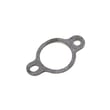
- Fix exhaust leaks promptly; replace a leaking gasket with the Kohler lawn & garden equipment engine exhaust gasket 20-041-12-S.
These symptoms indicate the engine is nearing end-of-life or needs internal service:
- Hard starting even with fresh fuel and a known-good spark plug
- Noticeable loss of power under load
- Excessive oil consumption or blue smoke
- Persistent backfiring after a tune-up
- Low compression (confirmed with a compression test)
Most small-engine failures come from preventable wear (dirty oil, restricted cooling airflow, poor filtration) rather than a single broken part. Staying ahead of oil level, tune-ups, and cooling cleanliness is what turns seasons into years.
Last updated: February 2026
Is the Kohler SV591-3217 a good engine?
Yes. The Kohler SV591-3217 is a solid lawn and garden engine when it’s maintained on schedule; most “bad engine” complaints trace back to neglected oil changes, dirty air filtration, stale fuel, or overheating from blocked cooling fins. For dependable starting and power, keep ignition and fuel systems in good shape.
A good SV591-3217 typically:
- Starts consistently hot and cold
- Idles smoothly without hunting or surging
- Accelerates without hesitation under load
- Runs at normal temperature (no burning smell or power fade)
- Uses minimal oil between changes
These items have the highest impact on reliability for this Kohler engine:
- Change oil on schedule and keep the level correct; low oil quickly damages internal parts
- Replace the spark plug at tune-up intervals; a weak plug causes hard starting and misfire
- Keep the air intake path clean; restricted airflow leads to rich running and carbon buildup
- Use fresh fuel and a stabilizer for storage; stale fuel causes varnish and carburetor issues
- Clear grass and debris from blower housing and cooling fins; overheating shortens engine life
If you’re doing a basic tune-up, the Kohler lawn & garden equipment engine spark plug 25-132-12-S is a common wear item to refresh ignition.
| Symptom | Most common cause | What we recommend first |
|---|---|---|
| Hard starting | Worn plug, stale fuel | Replace plug, drain old fuel |
| Surging at idle | Dirty carburetor, air leak | Inspect gaskets, clean carb |
| Backfire or kickback | Timing/flywheel key issue | Inspect flywheel key |
| Overheating | Blocked cooling fins | Clean shrouds and fins |
A lawn and garden engine like the Kohler SV591-3217 is only as “good” as its maintenance. Clean oil, clean air, and good fuel prevent the most common failures and keep compression, valve train, and carburetion working the way they should.
Last updated: February 2026
What are common Kohler engine problems?
Common problems on a Kohler SV591-3217 lawn and garden engine are hard starting, rough running or surging, loss of power under load, oil leaks, and charging or starter issues. Most of these trace back to fuel quality, air flow and cooling, ignition wear, or gasket sealing.
- Won’t start or starts then dies: stale fuel, restricted fuel flow, dirty carburetor passages, weak spark
- Surging at idle: partially clogged carburetor circuits, air leak at intake gasket, governor linkage issues
- Bogs down under load: dirty air filter base, fuel restriction, ignition misfire, overheating
- Oil smell or visible leaks: gasket seepage, loose fasteners, crankcase pressure from poor ventilation
- No crank or slow crank: weak battery/cables, starter wear, poor ground connection
If your symptom matches, these are common maintenance or repair parts for SV591-3217:
| Symptom | Part to check/replace | What it affects |
|---|---|---|
| Misfire, hard starting | Kohler lawn & garden equipment engine spark plug 25-132-12-S | Ignition spark quality |
| Oil change mess or seep at drain | Kohler lawn & garden equipment engine drain plug 25-139-57-S | Oil sealing at drain point |
| Exhaust popping, hot smell, leak noise | Kohler lawn & garden equipment engine exhaust gasket 20-041-12-S | Exhaust seal and backpressure |
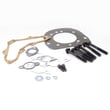
| Oil leak at head area, low compression | Lawn & garden equipment engine cylinder head gasket kit 20-841-01-S | Compression and oil sealing |
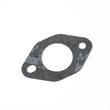
| Runs poorly after carb service | Kohler lawn & garden equipment engine carburetor gasket 12-041-01-S | Intake sealing and vacuum leaks |
| Battery not charging | Lawn & garden equipment engine stator 237878-S or lawn & garden equipment engine voltage regulator 41-403-10-S | Charging system output |
- Drain old fuel and refill with fresh fuel; clean the tank outlet and fuel line if flow is weak.
- Inspect cooling fins and blower housing for grass and debris; overheating causes power loss.
- Pull the spark plug and check for heavy carbon or wet fouling; replace if worn.
- Check for exhaust leaks (soot marks) around the muffler and gasket area.
- Verify battery connections are clean and tight; a weak connection mimics a bad starter.
Small engine problems often cascade: a minor fuel restriction can cause lean running, which raises engine temperature and increases gasket seepage. Keeping ignition, cooling, and sealing in good shape prevents hard starts, surging, and premature wear.
Last updated: February 2026