Owner’s manual
 Error Codes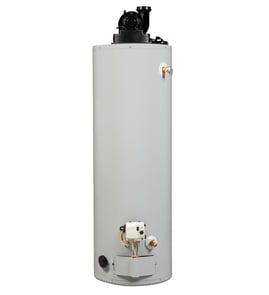





How old is my water heater by the serial number?
For a Kenmore gas water heater model 153331882, the serial number is the key to the manufacture date; it’s printed on the rating plate label on the tank. Once you locate it, you can decode the date portion using the format shown in the 153331882 owner's manual.
Where to find the serial number
Look for the rating plate label on the outside of the tank (often near the gas control valve area). On that label, you’ll typically see:
- Model number (should read 153331882)
- Serial number (a mix of letters and numbers)
- Gas type (natural gas or LP)
- Capacity and other specifications
How to decode the age from the serial number
Kenmore water heaters have used more than one serial-number format over the years, so the most reliable approach is to match your serial number to the decoding guidance in the documentation.
Use this quick checklist:
- Write down the full serial number exactly as shown
- Look for a date pattern (often the first 4 digits or a letter-number code)
- Compare the pattern to the decoding method in the 153331882 owner's manual
- If the label is faded, take a clear photo and zoom in to confirm characters
Common serial date patterns (typical examples)
These are common across many water heater labels and can help you spot the “date” section quickly:
| Pattern type | What it often means | Example | Interprets as |
|---|---|---|---|
| YYWW | Year, then week of year | 1220 | Week 20 of 2012 |
| MMYY | Month, then year | 0915 | September 2015 |
| Letter code | Plant or month code plus year digits | Varies | Depends on brand system |
Why it matters
Knowing the age helps you plan maintenance and parts replacement. For example, an older tank is more likely to need corrosion protection (anode rod service) and safety checks of the gas control and venting.
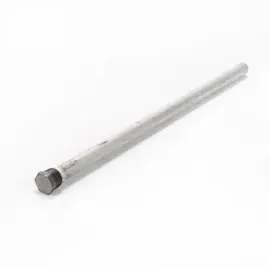
If you’re doing age-related maintenance on this model, the water heater anode rod 100108660 is one of the common wear items.
Last updated: January 2026
How do I read my water heater model number?
For Kenmore model 153331882, we recommend reading the model number directly from the rating plate (the sticker/label on the tank). On that label, focus on the Model No. and Serial No. fields; those are the identifiers you will use for parts and service. See the 153331882 owner's manual for label location and diagrams.
Where to find the model number on the heater
On this Kenmore gas water heater, the model number is printed on the rating plate on the tank. The manual’s “get to know your water heater” section identifies the rating plate as a labeled component.
Common places to check:
- The tank exterior near the gas control valve/thermostat
- The front of the unit behind or near the burner access door
- The side of the tank where other safety labels are located
What to write down (and what to ignore)
When you are copying information from the rating plate, these are the details that matter most:
- Model number (example: 153331882)
- Serial number (unique to your unit)
- Gas type (natural gas or propane) listed on the rating plate
- Brand (Kenmore)
Details you usually do not need for ordering common repair parts:
- BTU and other performance specs
- Certification text and standards language
- General warning statements
Why the model number matters for parts
Many gas water heater parts look similar but are not interchangeable. Using the exact model number helps match the correct assemblies and fittings.
| What you need | Where it’s used | Example part for this model |
|---|---|---|
| Model number | Parts lookup and diagrams | 153331882 |
| Serial number | Service history and age verification | (varies by unit) |
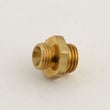
| Gas type | Correct burner/orifice setup | Orifice 100111409 |
Quick tip for service calls and parts orders
When ordering repair parts, we use the same checklist the manual recommends:
- Model number
- Serial number
- Type of gas
- Part description
Last updated: January 2026
What is the life expectancy of a Kenmore water heater?
Most Kenmore tank-style water heaters, including model 153331882, typically last 8 to 12 years. You can often extend service life by keeping the tank maintained, inspecting the anode rod on schedule, and addressing small leaks or venting issues early (see the 153331882 owner's manual).
Typical lifespan and what affects it
A water heater’s lifespan depends heavily on water quality, maintenance, and installation conditions.
- Water hardness and conductivity (more corrosion and sediment)
- Anode rod condition (a depleted rod speeds up tank corrosion)
- Sediment buildup (reduces efficiency and can overheat the tank bottom)
- Venting and combustion air (poor draft can cause performance and safety problems)
- Leak exposure (installing without drainage can lead to property damage when the tank eventually leaks)
Maintenance that most improves life expectancy
Your manual calls out specific maintenance intervals that directly impact tank life.
- Inspect the anode rod within 3 years, then annually after that
- Inspect the anode rod annually if you have artificially softened water
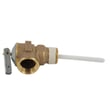
- Manually operate the temperature-pressure relief valve at least once per year
- Keep combustibles and flammables away from the burner area
- Plan for eventual leakage by locating the heater where a leak will not damage surrounding areas
If your anode rod is due, replacing it is one of the most effective ways to extend tank life; the correct part for this model is the water heater anode rod 100108660.
Quick decision guide: repair vs. replace
| What you’re seeing | What it usually means | Best next step |
|---|---|---|
| No hot water but no tank leak | Often a control, pilot, or burner issue | Diagnose ignition and controls; check the manual |
| Rusty odor or discolored hot water | Anode rod may be depleted | Inspect/replace anode rod |
| Water around the base (confirmed tank leak) | Tank corrosion has progressed | Replace the water heater |
| Frequent pilot outages | Pilot/thermocouple/gas valve issue | Inspect pilot system and venting |
Why it matters
Once the tank itself corrodes through, replacement is the practical fix. Staying on top of anode rod inspection and basic annual checks helps you get the full expected lifespan and avoid surprise leaks.
Last updated: January 2026