

How much does a 4000 square-foot AC unit cost?
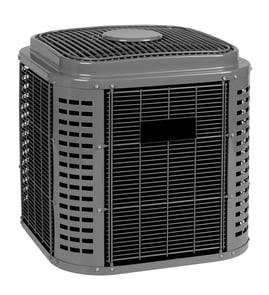
For a 4,000 sq ft home, a new central air conditioning system typically costs about $10,000 to $20,000+ installed, depending on required tonnage, efficiency (SEER2), ductwork condition, and whether you need zoning or even two systems. For Carrier equipment like model 40QAQ048300, the installed price is driven more by design and labor than the outdoor unit alone.
Typical cost ranges (what you’re paying for)
Installed pricing usually bundles equipment, refrigerant work, electrical, and startup.
- Equipment only (condenser and matching indoor coil): ~$2,500 to $8,000+
- Installed system (most common): ~$10,000 to $20,000+
- Higher-end installs (zoning, major duct changes, electrical upgrades): can exceed $20,000
| Scenario | Common setup for ~4,000 sq ft | Typical installed cost |
|---|---|---|
| Standard replacement | 1 system, existing ducts in good shape | $10,000 to $16,000 |
| Larger load or comfort upgrades | 4 to 5 ton, higher SEER2, better filtration | $14,000 to $20,000+ |
| Complex home layout | Zoning or 2 systems | $18,000 to $25,000+ |
What size system is common for 4,000 sq ft?
Most homes this size land around 4 to 5 tons total cooling, but the correct size depends on insulation, windows, sun exposure, ceiling height, and duct design.
- Two-story homes often need zoning or two systems for even temperatures
- Oversizing can cause short cycling, humidity problems, and higher wear
- Undersizing can run constantly and still not keep up on hot days
What changes the price the most?
- Ductwork condition and sizing (repairs, sealing, replacement)
- Electrical work (disconnect, breaker, wiring, surge protection)
- Refrigerant line set reuse vs replacement
- Efficiency level (SEER2) and features (variable-speed, communicating controls)
- Permits and labor rates in your area
Why it matters
A properly sized, correctly installed split-system air conditioner costs less to run, controls humidity better, and avoids premature compressor and capacitor failures.
Helpful next step
If you’re comparing repair vs replace or trying to match parts by model, use how to find your appliance model number (and what it means for parts) to confirm the exact model tag information before ordering.
Last updated: February 2026
How to look up AC model number?
For your Carrier split-system air conditioner, the model number is on the unit’s rating plate (data tag). On model 40QAQ048300, record the full model number and serial number exactly as shown; that is what we use to match the correct central air conditioner parts.
Where to find the model number on a central (split-system) AC
Check these common locations for the rating plate:
- Outdoor condensing unit: on the side panel near the electrical service access panel
- Indoor air handler or furnace cabinet: inside the blower compartment door or on an exterior panel
- Inside a removable access panel: near the control box or wiring diagram label
- Near the refrigerant line connections: sometimes on the cabinet close to where the lines enter
What to write down (so parts match the first time)
Copy the information exactly, including dashes and letters:
- Model number (example: 40QAQ048300)
- Serial number
- Electrical ratings (voltage, phase, Hz)
- Any product or manufacturing codes listed on the tag
Quick checklist
- Use a flashlight and take a clear photo of the tag
- Write the model number in all caps and include every digit
- If the label is worn, look for a second label on another panel
How we use the model number to look up parts
Once you have the full model number, use it to search and confirm you are on the correct parts list for your Carrier system.
| You have | Best use | Why it matters |
|---|---|---|
| Model number | Find the correct diagrams and parts list | Prevents ordering the wrong capacitor, contactor, or fan motor |
| Serial number | Confirm production run details | Helps match revisions and compatible replacements |
| Electrical ratings | Verify replacement electrical parts | Avoids incorrect voltage or amp ratings |
Why it matters
Carrier central air conditioner components (like a dual run capacitor, contactor, condenser fan motor, or control board) can vary by production series. Using the exact model number keeps the repair safe and the part fit correct.
Related help: how to find your appliance model number (and what it means for parts)
Last updated: February 2026
How to tell AC size by model number?
For the Carrier split-system air conditioner model 40QAQ048300, the “048” in the model number indicates the unit’s nominal capacity: 48,000 BTU/h, which equals 4 tons (48,000 ÷ 12,000). This is the standard way many central air conditioner model numbers encode size.
Quick tonnage math (works for most central AC model numbers)
- Find the 2 to 3 digit capacity code in the model number (often 018, 024, 030, 036, 042, 048, 060).
- Treat that code as thousands of BTU/h.
- Convert BTU/h to tons: BTU/h ÷ 12,000 = tons.
- Use the result as the nominal size (actual performance varies by system match and conditions).
Example for 40QAQ048300
| Model code | Nominal BTU/h | Nominal tons |
|---|---|---|
| 048 | 48,000 | 4.0 |
What to double-check before ordering parts
Even when the model number shows tonnage, parts selection still depends on the exact system configuration. We recommend confirming:
- The full model number exactly as printed: 40QAQ048300
- Whether you are working on the indoor unit or outdoor condenser (split-system)
- Electrical rating (voltage and phase) on the data plate
- Any accessory model numbers (controls, thermostat, disconnect, fuses)
- The symptom (no cooling, won’t start, trips breaker, icing, etc.)
Why it matters
Correct capacity helps you identify the right system class (for example, 4-ton components and wiring expectations), but repairs still require matching the correct electrical parts and controls to the exact unit and its wiring.
For safe electrical checks during troubleshooting, use our guide: how to use a multimeter to test electrical parts video.
Last updated: February 2026