



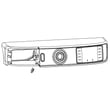
What brands make the GFW550SSN1WW?
GE makes the washer model GFW550SSN1WW. If you see this model number on the rating label or in a retailer listing, it refers to a GE front-load washer, and GE is the correct brand to use when ordering replacement parts.
Use these quick checks to make sure you are matching the correct brand and model before you buy parts:
- Look for the model tag inside the door opening or around the door frame; it should read GFW550SSN1WW.
- The brand badge on the front typically shows GE.
- Match the full model number exactly (including letters and suffixes) when searching parts.
- If your washer is branded GE Profile, the model number still identifies the correct parts family.
GE uses model-specific designs for key systems like the door lock, drain pump, and control electronics. Ordering by the exact model number helps ensure the connectors, mounting points, and software revisions match.
Here are common part types where brand and model matching is critical:
| Part type | What it affects | Example for GFW550SSN1WW |
|---|---|---|
| Door lock/door latch | Door won’t lock or start | GE washer door lock WH01X29528 |
| Water inlet valve | No fill, slow fill, wrong temp | Water valve assemblies vary by model |
| Control boards | Power, cycles, error handling | Boards are model-series specific |
If you are troubleshooting and need to identify an error code first, use our GE gfw front load washer error codes guide to narrow down the likely failed part or system.
Using the correct brand and exact model number prevents returns and delays, and it helps you get the right GE washer parts the first time.
Last updated: February 2026
What is the biggest problem with front load washers?
The biggest problem we see with front-load washers (including the GE GFW550SSN1WW) is moisture getting trapped around the door seal area, which can lead to mildew odors and residue buildup if the gasket and door area are not dried and cleaned regularly.
Front-load washers seal tightly to prevent leaks during tumbling. That tight seal can also hold:
- Water droplets in the door boot folds
- Detergent and fabric softener residue
- Lint and soil from clothing
- Standing moisture if the door stays closed between loads
These habits make the biggest difference on a front-load washer:
- Leave the door slightly open after the last load so the tub and gasket can dry
- Wipe the door boot folds dry, especially at the bottom
- Use the right amount of HE detergent (too much increases residue)
- Run a monthly cleaning cycle (washer cleaner tablet or approved cleaning method)
- Remove and rinse the dispenser drawer regularly
- Wash and dry small loads of towels occasionally to help reduce film buildup
If you are also seeing water at the front of the washer, the door sealing parts are the first place we look.
| Symptom | Most common area | What to check first |
|---|---|---|
| Musty smell | Door seal and tub | Gasket folds, residue, ventilation habits |
| Water at front | Door seal and clamp | Boot seated evenly, clamp tension |
| Door will not lock | Door lock system | Lock, latch, strike alignment |
Helpful model-matched parts to reference:
- Washer door boot WH05X29521 (torn, warped, or heavily coated gasket)
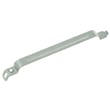
- Washer door boot spring clamp WH05X29663 (clamp not seated, boot slips)
- GE washer door lock WH01X29528 (door not locking can prevent proper cycles and draining)
Keeping the door seal area clean and dry prevents odors, helps the washer drain and spin normally, and reduces the chance of leaks that can damage flooring or nearby cabinetry.
Last updated: February 2026
What is the life expectancy of a GE front load washer?
A GE front load washer like model GFW550SSN1WW typically lasts 10 to 14 years. You get the longest life by preventing odor and leaks, keeping the door boot clean, and avoiding chronic overloads that strain the suspension and drive system.
- Routine cleaning: wipe the door boot and leave the door ajar between loads.
- Correct detergent: use HE detergent and avoid over-sudsing.
- Load habits: don’t overload; balance bulky items to reduce vibration.
- Water quality: hard water can increase buildup in the dispenser and hoses.
- Fast leak fixes: address drips quickly to protect bearings, wiring, and controls.
- Run a monthly cleaning cycle; clean the dispenser drawer and flush residue.
- Inspect the door boot for grit, coins, and small tears.
- Check fill and drain hoses for rubbing, kinks, or seepage.
- Level the washer and keep all feet firmly on the floor.
- If you notice standing water or slow draining, clean the pump filter area and verify the drain path.
| Symptom | Most common cause | What we check first |
|---|---|---|
| Door won’t lock or cycle won’t start | Door lock or latch issue | GE washer door lock WH01X29528 and door strike alignment |
| Leaks at the front | Door boot wear or clamp issue | Washer door boot WH05X29521 and clamp seating |
| Excessive shaking or banging | Suspension wear or unleveling | Suspension spring WH03X29511 and leveling |
A front load washer’s biggest life-shorteners are moisture left in the door area, overloading, and unresolved leaks. Fixing small issues early helps protect high-cost components like the control board, inverter, and tub bearings.
For odor prevention and cleaning habits that extend washer life, follow the steps in how to keep a washer odor free.
Last updated: February 2026
What is the warranty on the GE washer GFW550SSN1WW?
Warranty coverage for the GE washer model GFW550SSN1WW is a limited manufacturer warranty with terms that depend on the component and the purchase date. We use the model and serial number plus your proof of purchase to match the correct coverage and service options.
- Warranty start date (purchase date is the standard reference)
- Parts vs. labor coverage (labor is commonly limited to the early period)
- Which components have extended coverage (often drive-related parts)
- Exclusions (normal wear, installation issues, misuse)
- What GE requires for a claim (model/serial, receipt, service history)
These are the most common buckets you will see on modern front-load washers; your exact terms are set by GE for GFW550SSN1WW.
| Coverage bucket | What it usually covers | What to expect |
|---|---|---|
| Full unit (short term) | Most defects in materials/workmanship | Parts and labor during the initial period |
| Major drive system (longer term) | Motor/drive-related components | Parts coverage is more common than labor |
| Wear items | Seals, latches, hoses, clamps | Often not covered unless defective |
Knowing whether your issue is a covered defect or a wear-and-tear repair helps you choose the right next step. For example, a door that will not lock often points to a door-locking component such as the GE washer door lock WH01X29528 rather than a major drive-system failure.
- Write down the model and serial number from the washer label
- Note any error code and symptoms; use GE gfw front load washer error codes
- If the washer will not start, confirm the door closes firmly and the latch area is clean
- If filling is inconsistent, confirm both supply valves are fully open and screens are clear
Last updated: February 2026


