Owner’s manual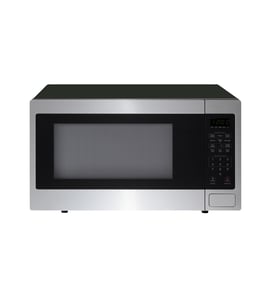



What's the average lifespan of a GE microwave?
Most GE countertop microwaves, including model JES2051SN2SS, last about 8 years with normal home use; 10 years is a common design target. Lifespan depends most on ventilation, keeping the cavity and waveguide area clean, and avoiding overheating and arcing (see the owner's manual).
Typical lifespan and what changes it
- Typical service life: ~8 years
- Common design expectation: ~10 years
- Shortens lifespan: frequent overheating, running empty, blocked vents, repeated arcing, slamming the door
- Extends lifespan: good airflow, routine cleaning, using microwave-safe cookware, prompt repair of small issues
| Usage pattern | What to expect | What to do |
|---|---|---|
| Light (reheating, 1 to 3 uses/day) | Often reaches 8 to 10 years | Keep vents clear; wipe interior weekly |
| Moderate (cooking daily) | Often around 6 to 9 years | Avoid long run times; let it cool between cycles |
| Heavy (many long cycles/day) | Often 4 to 7 years | Use shorter cycles; address heating or arcing issues fast |
Signs your microwave is nearing end of life
- Takes noticeably longer to heat the same food
- Loud humming or buzzing that is new or getting worse
- Intermittent power, dead display, or it trips the breaker
- Burning smell, visible sparks, or recurring arc marks
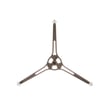
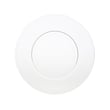
If the turntable system is worn or damaged, replacing the tray support or glass tray can reduce noise and improve cooking consistency (see microwave turntable tray support WB06X10633 and microwave glass turntable tray WB49X10189).
Why it matters
A microwave that is struggling to heat or is arcing can stress internal electrical components and shorten remaining life. Catching simple issues early (cleaning, turntable parts, fuse-related symptoms) helps prevent bigger failures.
Last updated: February 2026
What are common problems with GE JES2051SN2SS microwaves?
Common problems we see with the GE JES2051SN2SS countertop microwave include a no-start condition (often tied to a tripped breaker or power interruption), the control panel lighting up but not running due to a door or keypad sequence issue, and normal-but-concerning symptoms like steam around the door or a dull thumping sound. See the owner's manual troubleshooting section for model-specific checks.
Most common symptoms and what they usually mean
- Microwave will not start: household fuse blown, circuit breaker tripped, power surge, or plug not fully seated.
- Control panel is lit but it will not run: door not fully closed, START not pressed, or a prior selection needs to be cleared.
- Steam/vapor around the door: typically normal during cooking.
- Light reflection around the door/case: typically normal.
- Dull thumping sound while operating: typically normal.
- TV/radio interference: common with small appliances; try a different circuit or increase distance.
Quick checks you can do safely (no disassembly)
- Reset the breaker (or replace the home fuse) and try again.
- Unplug the microwave for about 1 minute, then plug it back in (helps after a power surge).
- Open and close the door firmly; then enter a cook time and press START.
- Press CLEAR/OFF to cancel any previous selection, then re-enter your settings.
- Confirm the 3-prong plug is fully inserted into the outlet.
Turntable-related issues (noise, wobble, not turning)
If the tray is noisy, wobbly, or not rotating, the most common fixes are replacing the support or the glass tray:
| Symptom | Common cause | Part to check |
|---|---|---|
| Tray wobbles or scrapes | worn or broken support | Microwave turntable tray support WB06X10633 |
| Tray is chipped/cracked or won’t sit flat | damaged glass tray | Microwave glass turntable tray WB49X10189 |
Why it matters
A microwave that will not start is often a simple power or door-closure issue, while “normal” behaviors (steam, thumping, light reflections) can prevent unnecessary part replacement. Addressing turntable problems helps heat food more evenly and reduces wear on the drive system.
Last updated: February 2026
What is the best countertop microwave oven?
The “best” countertop microwave depends on what you value most: fast, even heating; simple controls; or extra cooking modes. Your GE JES2051SN2SS is a 1200-watt countertop microwave, which is a strong power level for everyday reheating and cooking; use the owner's manual to match features and power levels to your needs.
How we recommend choosing the best countertop microwave
- Wattage and performance: 900 to 1200 watts is typical; higher wattage usually heats faster.
- Size and fit: measure your counter space and allow safe placement (keep the door face at least 3 inches back from the counter edge).
- Controls you will actually use: presets, express cook, and easy power-level changes.
- Turntable design: a stable tray and support help food heat more evenly.
- Safety and electrical: use a properly grounded outlet; avoid extension cords when possible.
Quick comparison: what “best” means for most shoppers
| If you want... | Prioritize | What to look for |
|---|---|---|
| Fast reheating | Higher wattage | 1000 to 1200W class units |
| Even cooking | Turntable + power levels | Multiple power levels (1 to 10) |
| Simple everyday use | Straightforward keypad | Express cook, clear display |
| Fewer messes | Easy-clean interior + removable tray | Removable turntable and support |
Tips to get the best results from a 1200W microwave (like JES2051SN2SS)
- Use power level 7 to 9 for more even heating on leftovers.
- Stir, rotate, or turn food for consistent results (especially dense foods).
- Use the “dish test” for microwave-safe cookware (dish plus 1 cup of water for 1 minute).
- Keep the turntable system clean and seated correctly.
Why it matters
A microwave that matches your cooking habits (power, size, and turntable performance) reduces cold spots, prevents boil-overs, and makes everyday cooking more consistent.
If your turntable is missing or wobbling, replacing the microwave turntable tray support WB06X10633 or the microwave glass turntable tray WB49X10189 can restore normal rotation and heating patterns.
Last updated: February 2026
Why does a microwave need 12 inch clearance?
A countertop microwave like the GE JES2051SN2SS needs clearance (often up to 12 inches above and space around the sides and back) so cooling air can flow through its intake and exhaust vents. Without that airflow, the microwave can overheat, run poorly, or shut off.
What the clearance does (and what can happen without it)
Proper air space helps the microwave manage heat from the magnetron, transformer, and internal cooling fan.
- Prevents heat buildup that can trigger thermal protection shutoffs
- Keeps the blower and venting path from being blocked by cabinets or walls
- Helps electronics last longer by reducing high-temperature stress
- Reduces nuisance issues like weak heating performance during longer cook times
- Helps avoid damage to nearby surfaces from warm exhaust air
Quick placement checklist for JES2051SN2SS
Use these practical placement rules along with the JES2051SN2SS owner's manual.
| Item to check | What to do | Why it matters |
|---|---|---|
| Top clearance | Leave open space above the microwave (commonly 12 in.) | Hot air needs a place to rise and exit |
| Side and rear space | Do not press the cabinet tight to walls | Prevents blocking side/rear vent paths |
| Countertop edge | Keep the door face at least 3 in. back from the counter edge | Helps prevent tipping when opening the door |
| Top surface | Do not store items on top while operating | Items can block airflow and trap heat |
Why it matters for safety and performance
Microwaves move a lot of heat during normal cooking. When vents are restricted, internal temperatures climb fast, which can cause intermittent operation, longer cook times, or premature failure of electrical parts.
If you are tight on space
- Reposition the microwave so vents are not against a wall or cabinet side
- Remove anything sitting on top of the unit during use
- Confirm the door is set back from the counter edge as noted in the manual
- If the turntable area is crowded or unstable, check the microwave turntable tray support WB06X10633 and the microwave glass turntable tray WB49X10189 for proper fit and seating
Last updated: February 2026