Installation guide
 Owner’s manual
 Error Codes



How to check for a clogged drain pump on a Whirlpool washer?
On a Whirlpool WTW8800YW1 washer, a clogged drain pump usually shows up as slow draining, standing water, or a no-drain/no-spin situation. We check the drain path first (hose and standpipe), then inspect the pump area for debris and confirm the impeller turns with slight, “magnetic” resistance.
Quick checks before opening the washer
- Unplug the washer.
- Confirm the drain hose is not kinked or crushed behind the cabinet.
- Make sure the hose is not shoved too far into the standpipe; it needs an air gap to prevent siphoning and drain issues.
- Verify the standpipe or laundry tub drain is not backing up.
- If the washer recently moved or was installed, follow the drain hose routing shown in the installation guide.
How we check for a clog at the pump
- Remove power (unplug).
- Access the drain pump area (procedure varies by design; use the owner's manual for the correct access method for WTW8800YW1).
- Inspect for obstructions: coins, socks, hair pins, lint, and small plastic items commonly jam the pump inlet.
- Check the impeller:
- It should turn, but it typically does not spin totally “free.”
- If it is jammed, remove the debris.
- If it spins freely with no “stepped” resistance or wobbles on the shaft, the pump is usually failing.
- Check the drain hose itself for a clog; remove and flush it if needed.
Parts that commonly relate to drain and spin symptoms
If the washer will not drain or will not spin after clearing clogs, these model-matched parts are common next checks:
| Symptom | What we check next | Example part for WTW8800YW1 |
|---|---|---|
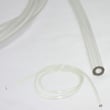
| Won’t drain or drains slowly | Drain hose blockage or damage | Washer drain hose WPW10363893 |
| Stops mid-cycle, lid won’t lock | Lid lock not engaging | Washer lid lock WPW10619844 |
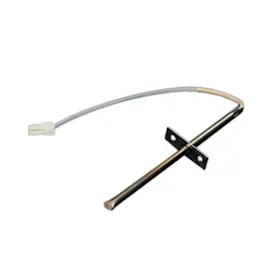
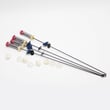
| Intermittent spin, sensing issues | Motor position feedback | Washer motor rotor position sensor WPW10178988 |
Why it matters
A restricted drain pump can leave water in the tub, trigger drain-related errors, and prevent high-speed spin. Clearing the drain path early protects the control, reduces odor, and prevents repeat clogs.
Last updated: February 2026
How do I tell how old my Whirlpool washer is?
You can tell the age of your Whirlpool washer model WTW8800YW1 by reading the serial number on the washer and decoding the date code: the first two digits are the week of the year, and the second letter is the year it was manufactured. Use the year-code table in your owner's manual.
Where to find the serial number on WTW8800YW1
Most Whirlpool top-load washers place the model and serial tag in one of these spots:
- Under the lid on the top rim of the washer opening
- On the underside of the lid
- On the back of the control console area
- On the rear panel of the cabinet
How to decode the serial number (Whirlpool format)
Once you have the serial number, focus on these characters:
- 1st and 2nd digits: manufacturing week (01 to 52)
- 2nd letter: manufacturing year (use the year-code chart)
- Remaining digits: production sequence for that week (helpful for identification, not dating)
Quick example
If your serial number starts with something like 12B...:
- 12 = 12th week of the year
- B = year (look up “B” on the year-code chart)
Why it matters
Knowing the manufacture date helps us match the correct Whirlpool washer parts and revisions for your WTW8800YW1, especially for common repair items like a lid lock, control, or drive components.
Parts that are commonly age-related on this model
If you are troubleshooting issues that often show up as the washer gets older, these parts are frequently involved:
- Lid not locking or cycle not starting: washer lid lock WPW10619844
- No spin, unusual sensing behavior: washer motor rotor position sensor WPW10178988
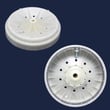
- Grinding, slipping, or poor agitation: hub W10820039
- Drain problems or leaks at the standpipe: washer drain hose WPW10363893
| Symptom | What to check first | Common related part |
|---|---|---|
| Lid won’t lock | Lid strike alignment, lock wiring | WPW10619844 |
| Won’t spin | Load balance, rotor sensor, drive hub | WPW10178988, W10820039 |
| Leaking while draining | Drain hose routing and clamp fit | WPW10363893 |
Last updated: February 2026
What is the most common problem with Whirlpool washers?
For Whirlpool washers like model WTW8800YW1, the most common problems we see are not draining or not spinning (wet clothes), water leaks, won’t start/locks won’t engage, and excessive noise or vibration. Many of these trace back to installation setup, hose issues, or a failed lock or control component; check the WTW8800YW1 installation guide for the correct drain and electrical setup.
Most common issues and what to check first
- Won’t start or stops mid-cycle: confirm the lid is fully closed and the lock engages; a failed washer lid lock WPW10619844 is a common cause.
- Won’t drain or leaves clothes wet: verify the drain hose is not kinked or pushed too far into the standpipe; confirm the standpipe and siphon break height are correct.
- Leaks: inspect fill hoses and connections at the faucets and washer; replace worn hoses if you see bulges, cracking, or seepage.
- Loud grinding or rubbing in spin: check for a loose washplate or drive components; a worn hub can cause poor basket engagement.
- Shaking or walking: level the washer, reduce overloading, and redistribute bulky loads.
Quick setup checks that prevent “false” washer problems
The WTW8800YW1 is sensitive to drain and power setup. These installation items prevent siphoning, no-drain complaints, and electrical issues:
| Setup item | What “right” looks like | What happens if it’s wrong |
|---|---|---|
| Drain hose depth | Only a short section in the standpipe (not shoved down) | Siphoning, slow drain, or refill/drain loops |
| Standpipe/siphon break height | Siphon break at least 28 in. from washer bottom | Drain problems and poor cycle performance |
| Power | Plugged into a grounded 3-prong outlet (no adapter/extension cord) | No power, intermittent operation, safety risk |
Parts that commonly solve these symptoms
When basic checks do not fix the issue, these model-matched parts are frequent solutions:
- Washer lid lock WPW10619844 (no start, stops, lid won’t lock)
- Hub W10820039 (won’t spin properly, poor basket engagement)
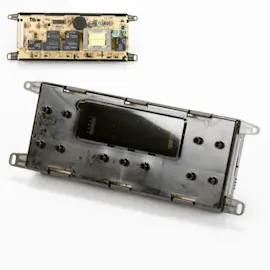
- Washer electronic control WPW10346406 (random stopping, dead console, erratic cycles)
- Washer drain hose WPW10363893 (leaks at hose, poor draining due to damage)
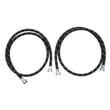
- Washer fill hose set 8212545RP (leaks at supply hoses)
Why it matters
Drain setup, lid locking, and hose condition directly affect whether the washer can safely fill, agitate, drain, and spin. Fixing these basics first prevents unnecessary part replacement and helps the washer complete cycles normally.
Last updated: February 2026
What is the life expectancy of a Whirlpool WTW8800YW1 washer?
A Whirlpool WTW8800YW1 washer lasts 10 to 14 years with normal household use. Correct installation, proper leveling, and avoiding overloads keep the drive system, suspension, and controls from wearing out early.
Typical lifespan drivers
These factors most directly determine whether your washer reaches the 10 to 14 year range:
- Load size and frequency (overloading accelerates wear)
- Leveling and stable flooring (reduces vibration and basket stress)
- Drain setup (prevents siphoning and drain strain)
- HE detergent measured correctly (limits residue and odor)
- Fixing early symptoms quickly (noise, slow drain, lid lock problems)
Common repairs as the washer ages
As a high-efficiency top-load washer gets older, these issues show up most often:
- Cycle will not start or lid will not lock: washer lid lock WPW10619844
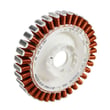
- Weak spin, no spin, or drive noise: rotor 280146 and related drive components
- Intermittent operation or unusual behavior: washer electronic control WPW10346406
Installation targets that protect longevity
Key setup details from the installation guide help prevent repeat problems.
| Setup item | Target | Why it matters |
|---|---|---|
| Electrical supply | 120V, 60 Hz, 15 or 20 amp | Prevents power and control issues |
| Laundry tub height | 39 to 96 in. from floor (to top of tub) | Helps avoid siphoning and drain strain |
| Standpipe insertion | About 4 1/2 in. max hose depth | Reduces siphoning and slow-drain symptoms |
Why it matters
Knowing the expected service life helps you decide when maintenance is enough versus when a major repair (drive parts or control) makes less sense on an older WTW8800YW1.
Last updated: February 2026