
Are all table saw arbor nuts the same size?
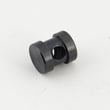
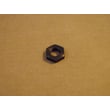
No. Arbor nuts are not universal; the nut’s thread size and direction must match the arbor shaft on your Craftsman 11329920 10-inch tilting arbor bench saw. While many 10-inch saws use a 5/8-inch arbor for the blade bore, the arbor nut thread and whether it’s left-hand or right-hand threaded can vary by saw design.
What’s usually standardized (and what isn’t)
Most compatibility confusion comes from mixing up the blade bore size with the arbor nut thread.
- Blade bore (hole) size: Commonly 5/8 inch on many 10-inch table saw blades
- Arbor shaft diameter: Often matches the blade bore, but not always
- Arbor nut thread size/pitch: Varies by manufacturer and model
- Thread direction: Some saws use left-hand threads so the nut self-tightens during operation
How to identify the correct arbor nut for model 11329920
Use these checks before buying or swapping parts from another saw.
- Unplug the saw and remove the blade guard and throat plate
- Remove the blade and inspect the nut for markings (some are stamped)
- Check whether loosening requires turning clockwise (left-hand thread) or counterclockwise (right-hand thread)
- Measure the arbor shaft diameter with calipers (common sizes are 5/8 inch and 1/2 inch)
- If threads look damaged, plan to replace the nut and inspect the arbor threads
Quick compatibility guide
| Saw/blade detail | Common on 10-inch saws | Does it guarantee the nut fits? |
|---|---|---|
| Blade bore | 5/8 inch | No |
| Arbor diameter | 5/8 inch | No |
| Nut thread pitch | Varies | No |
| Left-hand thread | Common on some designs | No |
Why it matters
Using the wrong arbor nut can strip threads, prevent proper blade clamping, or loosen during cutting. Correct clamping force on the arbor flange and blade is critical for safe, accurate cuts.
For help locating the right replacement parts by model number, use how to find your appliance model number (and what it means for parts).
Last updated: February 2026
What size arbor is on a Craftsman table saw?
Most Craftsman 10-inch table saws use a 5/8-inch arbor, and that is the most common arbor size you will run into when choosing a replacement blade for the Craftsman 11329920 10-inch tilting arbor bench saw. Confirm by measuring your arbor shaft or checking your blade’s center hole.
How to confirm the arbor size on your saw
- Unplug the saw and remove the throat plate.
- Raise the blade fully and remove the blade nut and outer flange.
- Measure the shaft diameter with a caliper (best) or a snug open-end wrench.
- Check the blade you already use; most 10-inch blades list the arbor hole size on the label.
- If the blade wobbles on the shaft, inspect the arbor flange for burrs or pitch buildup.
Common arbor sizes you may see (and what they mean)
| Arbor size | Typical use | Blade compatibility note |
|---|---|---|
| 5/8 in. | Most 10-inch table saws | Standard 10-inch blades fit directly |
| 1/2 in. | Some compact/older saws | Needs a blade with 1/2-inch bore (no reducer bushing for table saw use) |
| 1 in. | Some contractor/cabinet saws | Often requires different blades and hardware |
Why it matters
Arbor size affects blade fit, runout, and safety. A blade that does not match the arbor correctly can wobble, cut inaccurately, and increase kickback risk. Matching the arbor and using clean, flat flanges helps your Craftsman saw cut straight and smoothly.
Related DIY help we use for electrical checks
If you are troubleshooting a no-start issue while you are working on the saw, use how to use a multimeter to test electrical parts video to verify the switch, cord, and motor circuit.
Last updated: February 2026
What is the best table saw out there?
The best table saw depends on how you’ll use it: jobsite portability, shop accuracy, safety features, and budget. For many woodworkers, a SawStop is the top pick for safety; for value and portability, a DeWalt-style jobsite saw is a common choice. For Craftsman model 11329920, the “best” choice is the saw that matches your cut capacity and alignment needs.
Quick picks by use case
- Best overall safety: SawStop (flesh-sensing brake technology)
- Best jobsite portability: 10-inch jobsite saw with a rolling stand (easy transport)
- Best for small shops: hybrid or cabinet saw (more stability, better dust collection)
- Best budget: entry-level 10-inch jobsite saw (good for DIY and light carpentry)
- Best cordless convenience: battery-powered table saw (great when power is limited)
What to compare before you buy
| What to compare | Why it matters | What to look for |
|---|---|---|
| Rip capacity | Determines max width you can cut | Fence that locks parallel and stays square |
| Fence quality | Impacts accuracy and repeatability | Smooth travel, solid lock, minimal deflection |
| Motor type | Affects torque and duty cycle | Direct-drive for jobsites; belt-drive for shops |
| Safety features | Reduces injury risk | Riving knife, blade guard, anti-kickback pawls |
| Table flatness | Impacts precision cuts | Flat top, stable trunnion/arbor assembly |
Why it matters for your Craftsman 11329920
Your Craftsman 11329920 is a 10-inch tilting arbor bench saw; the “best” upgrade path is usually better accuracy and safer operation, not just more power. A saw that holds alignment (blade-to-miter-slot and fence-to-slot) produces cleaner cuts and reduces kickback risk.
If you’re deciding between repairing vs replacing
- If the arbor bearings feel rough or noisy, accuracy suffers.
- If the fence won’t lock square, repeat cuts become frustrating.
- If the switch or wiring is unreliable, safety becomes the priority.
- If the table is out of flat or the trunnion won’t hold adjustment, replacement often makes more sense.
For electrical checks during troubleshooting, we recommend using a meter correctly; see how to use a multimeter to test electrical parts video.
Last updated: February 2026
How do I get rid of an old table saw?
For a Craftsman 11329920 10" tilting arbor bench saw, the best way to get rid of it is to sell or donate it if it still runs safely; if it’s not repairable, recycle it as scrap metal and dispose of sharp items (like blades) separately and securely.
Best options (in order)
- Sell it if the motor runs and the arbor raises/tilts smoothly.
- Donate it if it’s complete and safe to operate (guard and switch in place).
- Give it away for parts if it’s incomplete but the cast-iron top, fence, or motor is usable.
- Scrap/recycle it if the frame is damaged, the arbor is seized, or key safety parts are missing.
- Dispose of blades separately (wrapped and labeled) so they don’t injure anyone handling waste.
Quick decision table
| Condition of your 11329920 | What we recommend | Why |
|---|---|---|
| Runs, cuts straight, guard/switch present | Sell or donate | Highest value, least waste |
| Runs but needs work (belt, bearings, alignment) | Sell as “needs tune-up” or give away | Someone can restore it |
| Won’t run, missing major parts | Recycle as scrap metal | Fastest, safest end-of-life |
| Rusty but structurally solid | Give away for restoration | Cast iron often cleans up well |
Safety steps before moving or disposing
- Unplug the saw and remove any extension cord.
- Remove the blade and store it in cardboard or a blade sleeve.
- Lower the blade fully and lock the tilt (if your saw has a tilt lock).
- Secure loose parts (miter gauge, fence, throat plate) so nothing falls during transport.
- Use two people for lifting; bench saws can be heavier than they look.
Why it matters
Table saws combine heavy metal parts with sharp edges and electrical components. Handling blades and loose accessories correctly prevents injuries and keeps recyclable steel and cast iron out of the trash stream.
For help confirming the exact model number before listing or recycling, use how to find your appliance model number (and what it means for parts).
Last updated: February 2026
Can you use an 8 inch blade on a 10 inch table saw?
Yes. You can run an 8-inch blade on a 10-inch table saw like the Craftsman 11329920 if the arbor hole matches and the blade can be clamped securely; you will lose maximum cut depth, and the blade’s maximum RPM rating must be higher than the saw’s operating RPM.
What changes when you drop from 10-inch to 8-inch
- Reduced cutting depth: smaller diameter means less depth at 90 degrees and 45 degrees.
- Guard and splitter/riving knife fit: the blade sits lower, so the guard, splitter, or riving knife may not align correctly.
- Throat plate opening: the blade may sit farther below the insert, which can affect support for small offcuts.
- Common use case: 8-inch dado sets are often used on 10-inch saws because dadoes are non-through cuts.
Fit and safety checks we recommend
| Check | What to confirm | Why it matters |
|---|---|---|
| Arbor/bore match | Blade bore matches the saw arbor (many 10-inch saws use 5/8-inch) | Prevents wobble and runout |
| Blade RPM rating | Blade max RPM is greater than the saw’s RPM | Prevents overspeeding the blade |
| Washer and nut clamp | Flanges sit flat; nut fully engages threads | Keeps blade from slipping |
| Guarding | Guard and anti-kickback setup still functions correctly | Reduces kickback risk |
| Tilt clearance | Blade clears insert and table opening at full tilt | Prevents binding and damage |
Why it matters
On the Craftsman 11329920, the biggest tradeoffs are shallower cuts and guarding compatibility. If you cannot use the guard/splitter correctly with the smaller blade, use a 10-inch blade for through-cuts.
Helpful tip
Use the exact model number when matching accessories and diagrams: how to find your appliance model number (and what it means for parts).
Last updated: February 2026