Owner’s manual


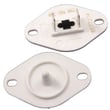
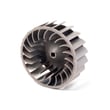
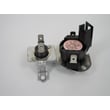
How do I know if my whirlpool dryer thermal fuse is blown?
If your Whirlpool WED5620HW2 dryer will not start or runs with no heat, a blown thermal fuse is a top suspect. The sure way to know is a continuity test with a multimeter; a good fuse shows continuity (near 0 ohms), and a blown fuse shows no continuity.
Quick symptoms to look for
- Dryer will not start even with the door closed and Start pressed firmly
- Dryer runs but produces no heat (clothes stay damp)
- Cycle seems normal but drying time is unusually long (often from restricted venting)
- Problem started after overheating, a clogged lint screen, or a blocked vent
Confirm it with a continuity test (best method)
- Disconnect power before servicing (unplug or shut off the breaker).
- Access the thermal fuse (location varies by design; use the wiring/parts breakdown in the WED5620HW2 owner’s manual).
- Remove at least one wire from the fuse terminal.
- Test across the fuse terminals with a multimeter:
- 0 to a few ohms or a beep = fuse is good
- OL / infinite / no beep = fuse is blown
What to do if the fuse is blown
A thermal fuse is a one-time safety device; once it opens, it must be replaced.
- Fix the overheating cause first (vent restriction is most common)
- Clean the lint screen and inspect the lint duct and vent run
- Check airflow at the outside vent hood
- Replace the fuse with the correct part for this model (for WED5620HW2, see thermal fuse W10909685)
Why it matters
A blown thermal fuse usually means the dryer overheated. Replacing the fuse without correcting airflow problems can lead to repeat failures and poor drying performance.
Common “no heat” checks (before or after fuse testing)
| Check | What you’re looking for | Why it matters |
|---|---|---|
| House power | Both breakers/fuses for the dryer are on | Loss of one leg can cause “runs but no heat” |
| Venting | Strong airflow outside | Restricted venting overheats the dryer |
| Heat after 5 minutes | Warmth in the drum | Confirms whether the heater system is working |
Last updated: February 2026
What are the common problems with whirlpool dryers?
Common Whirlpool dryer problems on model WED5620HW2 usually fall into a few buckets: it will not start, it runs but will not heat, it tumbles poorly or makes noise, or it takes too long to dry. Most issues trace back to power, airflow (venting and lint), or normal wear parts.
Most common symptoms and what they usually mean
- Dryer will not start: door not fully closed, Start not pressed firmly, or a tripped breaker or blown fuse (many dryers use two fuses/breakers).
- Runs but no heat: one breaker tripped, heating circuit issue, or a failed heating component.
- Long dry times: restricted venting, lint buildup, crushed duct, or too many elbows in the vent run.
- Noisy thumping/squealing: worn drum support rollers, idler pulley, or blower wheel.
- Stops early or dries unevenly: airflow restriction, lint screen issues, or sensor-related problems.
Quick checks we recommend first (fast, high-impact)
- Clean the lint screen before or after every load.
- Confirm the door is fully closed and the Start button is pressed firmly.
- Check your home electrical supply; verify both dryer breakers/fuses are on.
- Inspect venting for crushing, kinks, or blockage; remove lint at the exhaust hood.
- Make sure the dryer is level; out-of-level can affect tumbling and sensor cycles.
Parts that commonly fix these problems
| Symptom | Common wear part | Example for WED5620HW2 |
|---|---|---|
| Squealing or drum not turning smoothly | Idler pulley or rollers | Dryer idler pulley W10837240, dryer drum support roller WPW10314173 |
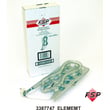
| No heat (electric) | Heating element or safety devices | Element, heater 5400w WP3387747, thermal fuse W10909685 |
| Rattling or vibration | Blower wheel | Dryer blower wheel WP697772 |
Why it matters
Airflow and lint control are safety and performance essentials. Proper venting (heavy metal venting, shortest run possible, limited elbows) reduces drying time and helps prevent overheating conditions.
For model-specific operating checks and venting guidance, use the WED5620HW2 owner's manual.
Last updated: February 2026
What is the life expectancy of a Whirlpool dryer?
A Whirlpool electric dryer like model WED5620HW2 typically lasts 10 to 13 years with normal household use. Consistent airflow and lint control have the biggest impact on lifespan; the maintenance schedule in the WED5620HW2 owner's manual helps you keep wear, heat stress, and drying times under control.
What affects dryer lifespan the most
- Vent airflow: long or restricted venting makes the dryer run hotter and longer.
- Lint buildup: lint in the cabinet or vent increases heat and strain.
- Load size: frequent overloading stresses the drum support system and drive components.
- Heat system cycling: poor airflow can overwork the heater and thermostats.
- Routine cleaning: simple, regular cleaning prevents many common failures.
Maintenance schedule we recommend (based on the manual)
| Task | How often | Why it matters |
|---|---|---|
| Clean lint screen | Every load | Helps prevent long dry times and overheating |
| Check venting for good airflow | Regularly | Reduces run time and heat stress |
| Remove lint from exhaust vent | At least every 2 years | Keeps airflow strong and lowers operating temperature |
| Remove lint inside dryer cabinet (service cleaning) | About every 2 years | Reduces internal lint accumulation and heat buildup |
Signs your dryer is nearing end-of-life
- Drying times keep getting longer even after vent cleaning
- Burning smell or repeated overheating shutoffs
- Loud rumbling or squealing from the drum area
- Drum stops turning or struggles to start
- Clothes come out overly hot or cycles end inconsistently
Why it matters
A dryer that is forced to run with restricted airflow uses more energy and runs hotter; that extra heat accelerates wear on key parts like the heater, thermostats, and drum support components. Following the venting and lint-removal guidance in the WED5620HW2 owner's manual is the most reliable way to reach the typical 10 to 13 year lifespan.
Last updated: February 2026
How to fix f2e2 whirlpool dryer?
On a Whirlpool WED5620HW2 dryer, the F2E2 code points to a user interface (keypad) communication problem. We fix it by resetting power first, then checking for a stuck key or moisture/film on the console; if the code returns, the control or console circuit typically needs service per the WED5620HW2 owner's manual.
Quick reset and basic checks
- Unplug the dryer (or switch the breaker off) for 2 minutes, then restore power.
- Press each button once; make sure none feel stuck or stay “pressed.”
- If the console is damp, let it dry fully before testing again.
- Run a short timed cycle to see if the code returns.
Airflow and moisture-sensing checks (often tied to odd behavior)
Poor airflow can cause long dry times and heavy moisture inside the drum area, which can contribute to control-panel issues over time. Use these checks from normal maintenance and venting guidance:
- Clean the lint screen; wash it with hot water and a nylon brush if you see residue buildup.
- Inspect the vent hose and wall duct; remove lint, crushed sections, and kinks.
- Confirm the dryer is level so the moisture-sensing system works correctly.
Parts that commonly come up during dryer troubleshooting
These parts do not “cause” F2E2 directly, but they are common service items if you are already opening the cabinet for inspection:
- Thermal fuse W10909685 (opens if the dryer overheats)
- Dryer thermistor WP8577274 (temperature sensing)
- Dryer terminal block WP3397659 (power connection point; check for heat damage if you smell burning)
What to do next if F2E2 keeps coming back
| What you see | Most likely issue | Best next step |
|---|---|---|
| Code clears after reset | Temporary glitch | Monitor; keep venting and lint system clean |
| Some keys do not respond | Keypad/console issue | Inspect for stuck key; console repair/replacement |
| Code returns immediately | Communication/control problem | Service diagnostics per manual |
Why it matters
F2E2 can prevent cycles from starting or make the dryer stop mid-cycle. Fixing it quickly helps protect the appliance control unit, keeps cycles predictable, and avoids repeat shutdowns.
Last updated: February 2026