

Is the Hoover U6432-900 vacuum any good?
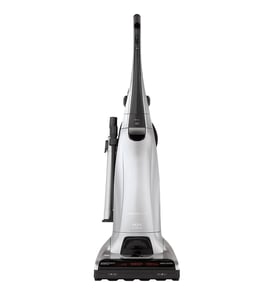
Yes. The Hoover U6432-900 self-propelled upright vacuum cleaner is a solid choice when you want strong carpet cleaning and straightforward upright performance. Most “good vs. not good” comes down to fit: it tends to clean well, but upright vacuums like this can feel heavier and bulkier than lightweight stick models.
What “good” usually means for this model type
For a self-propelled upright vacuum cleaner like the Hoover U6432-900, customers typically judge performance on suction, brush roll agitation, and how well it handles day-to-day messes.
- Strong pickup on carpet and area rugs (where uprights usually shine)
- Good pet hair performance when the brush roll and airflow path are kept clear
- Better forward movement than a non-propelled upright (less pushing effort)
- Bulkier feel on stairs and tight spaces compared to compact vacuums
- More maintenance impact: a worn belt, clogged hose, or dirty filters can make it seem “bad” fast
Quick fit check: is it good for your home?
| Home/cleaning need | Fit for U6432-900 upright | Why |
|---|---|---|
| Mostly carpet | Great | Uprights typically deep-clean carpet well |
| Mixed floors | Good | Works well, but you may need to adjust technique on hard floors |
| Lots of pet hair | Good to great | Brush roll agitation helps lift hair |
| Tight spaces, lots of stairs | Fair | Uprights can be awkward to carry and maneuver |
If it “doesn’t seem good,” check these first
Many performance complaints are caused by normal wear or a restriction, not the vacuum design.
- Empty the dirt container or replace the bag (depending on your configuration)
- Clear clogs in the hose, wand, and nozzle air path
- Clean or replace filters on schedule
- Check brush roll for hair wrap and end-cap debris
- Inspect the belt for stretching, glazing, or breakage
- Verify height setting is correct for your carpet type
Why it matters
A vacuum that is slightly clogged or has a slipping belt can lose a lot of pickup, especially on pet hair and fine debris. Keeping airflow and brush roll drive in good shape is the difference between “great suction” and “it’s not picking up.”
For help identifying the exact model tag location and matching parts correctly, use how to find your appliance model number (and what it means for parts).
Last updated: February 2026
What are common Hoover vacuum problems?
Common problems we see on the Hoover U6432-900 self-propelled upright vacuum cleaner are loss of suction, a brush roll that will not spin, overheating or shutoff, burning smells, and unusual noises. Most of these come from airflow restrictions (clogs, dirty filters) or drive issues (belt or brush roll problems).
Most common symptoms and what usually causes them
- Low or no suction: full bag or bin, clogged hose, clogged nozzle, dirty filter, poor seal at the dirt cup or gasket
- Brush roll not spinning: broken or stretched belt, hair wrapped on brush roll, seized brush bearings, brush switch set to off
- Vacuum shuts off or overheats: blocked airflow, filter packed with fine dust, motor cooling path restricted
- Loud rattling or grinding: debris in the nozzle, damaged fan, loose internal part, worn brush roll end caps
- Burning rubber smell: belt slipping from a jammed brush roll
Quick checks (in order) for the Hoover U6432-900
- Unplug the vacuum.
- Empty the bag or dirt container and re-seat it firmly.
- Clear the nozzle opening and check the hose for a blockage.
- Clean or replace filters (a clogged filter is the most common suction killer).
- Inspect the brush roll for hair and string; cut it away and spin the brush by hand.
- If the brush is hard to turn or the belt looks glazed, plan on belt and brush service.
Symptom-to-fix guide
| Symptom | Most likely cause | Best first fix |
|---|---|---|
| Weak pickup on carpet | Clog or dirty filter | Clear clogs; clean/replace filters |
| Brush roll stops on carpet | Belt slipping or brush jam | Clean brush roll; replace belt |
| Shuts off after a few minutes | Overheating from restricted airflow | Clear airflow path; service filters |
| High-pitched whine | Partial clog or fan issue | Check hose/nozzle; inspect fan area |
Why it matters
A vacuum depends on steady airflow for both cleaning performance and motor cooling. Keeping the hose, nozzle, and filters clear prevents overheating, protects the belt and brush roll, and restores normal suction.
For DIY safety basics before opening the vacuum or testing electrical parts, use our guide: are diy appliance repairs safe.
Last updated: February 2026
What is the life expectancy of a Hoover vacuum?
A Hoover upright vacuum like model U6432-900 typically lasts 5 to 8 years with normal household use; with consistent maintenance (belt checks, filter cleaning, and clog removal), many uprights reach 8 to 10 years of service.
Typical lifespan by use level
How long your self-propelled upright vacuum cleaner lasts depends most on run time, debris load, and how often airflow gets restricted.
- Light use (small home, no pets): 8 to 10 years
- Average use (weekly whole-home cleaning): 5 to 8 years
- Heavy use (pets, carpeted home, frequent deep cleaning): 3 to 6 years
- Commercial or near-daily use: 2 to 4 years
Signs it is near end of life
These symptoms usually mean the vacuum needs a repair, a tune-up, or replacement.
- Suction stays weak after clearing clogs and cleaning filters
- Brush roll stops spinning or intermittently stalls
- Burning smell (often belt slip or motor strain)
- Vacuum shuts off, overheats, or only runs for short periods
- Cracks in the hose, base, or handle that cause major air leaks
Maintenance that extends vacuum life
A few routine habits prevent motor strain and keep airflow strong.
| Maintenance task | How often | Why it matters |
|---|---|---|
| Empty bag or bin | Every use or when 1/2 to 2/3 full | Prevents airflow loss and overheating |
| Clean or replace filters | Monthly to quarterly | Protects the motor and improves suction |
| Check for clogs (hose, wand, nozzle) | Monthly | Reduces strain and restores pickup |
| Inspect belt and brush roll | Every 3 to 6 months | Keeps agitation strong on carpet |
Why it matters
Most vacuum failures come from restricted airflow (clogs, full bag/bin, dirty filters) or worn moving parts (belt, brush roll). Keeping airflow open and the brush system working prevents overheating and extends the life of your Hoover U6432-900.
For general repair readiness and the right basics for DIY work, we recommend reviewing must have tools for appliance repair.
Last updated: February 2026