Owner’s manual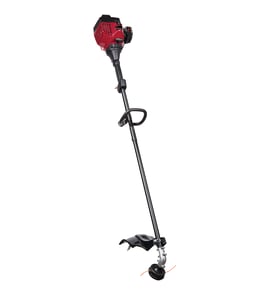


Can I use .095 trimmer line?
Yes. For the Craftsman 316740930 gas line trimmer, the specifications list 0.095 in. (2.41 mm) trimming line for the bump head, so .095 line is the correct diameter when you are using that cutting head; confirm the cutting head type and line routing in the owner's manual.
What matters most: your cutting head type
This model supports different line diameters depending on which cutting head is installed.
- Bump head: 0.095 in. (2.41 mm)
- Fixed-line cutting head: 0.110 in. (2.79 mm) medium or 0.130 in. (3.30 mm) large
- Use only the trimming line listed in the specifications; never use wire, chain, rope, or metal-reinforced line
How to avoid feed problems and overheating
Using the correct diameter is only part of the job; loading and length matter too.
- Cut and load the line exactly as shown for your head style (bump head vs fixed-line)
- Keep both ends the same length after installing line
- Clear debris from the eyelets and spool area before reloading
- Do not install extra-long line; it can prevent proper line release
- If the head binds or the line will not advance, stop the engine and remove obstructions
Quick spec check
| Item | Spec for model 316740930 | Why it matters |
|---|---|---|
| Bump head line diameter | 0.095 in. | Proper feed and engine load |
| Fixed-line head diameter | 0.110 in. or 0.130 in. | Correct fit in head holes |
| Unsafe substitutes | Wire, chain, rope, metal-reinforced line | Breakage risk and damage |
Why it matters
Line that is too thick can overload the trimmer mechanism and cause poor cutting performance; line that is too thin can break constantly and reduce control. Sticking to the specified diameter also helps prevent overheating and premature wear.
Last updated: February 2026
Which is better, .080 or .095 trimmer line?
For the Craftsman 316740930, .095 trimmer line is the better choice because the specifications call for 0.095 in (2.41 mm) line when using the bump head; it holds up longer and cuts heavier weeds better than .080. Use .080 only if your cutting head specifically allows it.
What our manual specs mean for your trimmer
Your 316740930 is designed around specific line sizes. Using the correct diameter helps the bump-feed work properly and prevents overheating.
- Bump head line diameter spec: 0.095 in
- Fixed-line cutting head spec: 0.110 in (medium) or 0.130 in (large)
- Using line that is too thick can jam the head
- Using line that is too thin can wear faster and may feed inconsistently
For the exact line guidance and line replacement steps, follow the 316740930 owner's manual.
Quick comparison: .080 vs .095
| Feature | .080 line | .095 line |
|---|---|---|
| Best for | Light grass, detail trimming | Thicker grass, heavier weeds |
| Durability | Lower | Higher |
| Load on engine | Lower | Higher |
| Fit for 316740930 bump head | Not the specified size | Specified size |
How to choose the right line for the job
Pick based on what you cut most often and how hard you push the trimmer.
- Choose .095 for most trimming and edging, especially if you hit thicker weeds
- Choose .080 only for very light trimming and only if your head supports it
- Keep line length correct when reloading so it feeds properly
- If feeding is poor, clean debris from the spool area before blaming the line
- Replace worn cutting head components if the bump-feed no longer works smoothly
Why it matters
Correct line diameter protects the cutting head, keeps the trimmer from bogging down, and reduces frustration with line feed problems. On the 316740930, matching the 0.095 bump-head spec is the simplest way to get reliable performance.
Last updated: February 2026
What is the lifespan of a line trimmer?
A gas line trimmer typically lasts about 8 to 10 years with normal homeowner use and routine maintenance. For a Craftsman 316740930, lifespan depends most on air filtration, fuel quality, and keeping the cutting head and driveline from running overloaded; see the owner's manual for the maintenance schedule.
Typical lifespan ranges
Use hours if you track runtime, or years if you use it seasonally.
- Homeowner use: 8 to 10 years
- Heavy homeowner or property use: 5 to 7 years
- Commercial-style daily use: 900 to 1,200+ hours (with consistent maintenance)
| Usage pattern | What “end of life” usually looks like | Most common fix vs. replace decision |
|---|---|---|
| Occasional trimming | Hard starting, poor idle | Tune-up parts first (filter, plug) |
| Weekly edging and trimming | Loss of power under load | Fuel system or carburetor service |
| Frequent heavy weeds | Vibration, driveline wear | Shaft/coupler or gearbox repair |
Maintenance that extends life the most
These items have the biggest impact on engine life and starting reliability.
- Clean and re-oil the air filter on schedule; replace it when it will not clean up well (example: mtd line trimmer air filter 751-12833).
- Check spark plug condition and gap periodically; replace if fouled or worn (example: mtd lawn & garden equipment engine spark plug 794-00082).
- Use fresh, properly mixed fuel (and do not store old fuel in the tank between seasons).
- Keep the trimming line at the correct diameter and length so the engine is not overloaded.
- Avoid forcing the cutting head into heavy brush; make shallow passes instead.
Why it matters
Most “worn out” trimmers are actually suffering from restricted airflow, stale fuel, or an overloaded cutting head. Staying on top of basic service helps your 316740930 start easier, run cooler, and avoid premature carburetor and driveline wear.
Last updated: February 2026
Who makes the best .095 trimmer line?
For the Craftsman 316740930 gas line trimmer, the “best” .095 trimmer line is the one that matches the bump head spec and holds up to your cutting conditions; this model is designed for 0.095 in (2.41 mm) line in bump-head mode, so start with a quality .095 line and choose shape (round vs. twisted) based on durability needs. See the owner's manual for the exact line diameter and usage guidance.
What to buy for this model (quick guidance)
Use these selection rules to get strong performance without excess breakage:
- Diameter: 0.095 in (2.41 mm) for the bump head
- Shape: twisted or spiral for durability and reduced noise; round for smoother feeding
- Material: premium copolymer lines typically last longer than basic nylon
- Use case: heavier weeds need tougher line; light grass can use smoother-feeding line
- Don’t oversize: thicker-than-spec line can overheat the head or cause poor feeding
Best choice depends on what you’re cutting
| Yard conditions | What usually works best | Why |
|---|---|---|
| Mostly grass, light weeds | Round .095 | Feeds easily, consistent cut |
| Mixed weeds, edging | Twisted/spiral .095 | Better wear, less fraying |
| Abrasive areas (fence lines, sidewalks) | Premium twisted/spiral .095 | Resists rapid wear on hard surfaces |
Why it matters
Using the correct .095 line helps your 316740930 cut cleanly while keeping the cutting head from overheating or binding. The manual also notes that hard surfaces (like sidewalks) can wear line down quickly, so durability matters as much as brand.
If your line keeps breaking or won’t feed
- Keep the line fully extended while trimming
- Avoid “sawing” into concrete, rocks, and chain-link fencing
- Clean debris from the head and spool area during line changes
- Replace worn components if the head is damaged or feeding is inconsistent
- If the head assembly is worn, consider replacing the line trimmer cutting head assembly 753-09665
Last updated: February 2026