Owner’s manual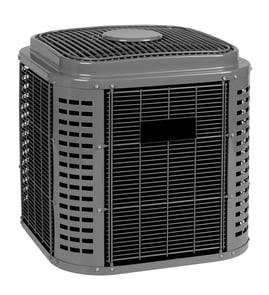

What is the most common part to fail on an AC unit?
On most central AC condensing units like the Carrier 38CKC024, the run capacitor is the most common part to fail because it handles frequent electrical starts for the compressor and condenser fan motor and is stressed by heat and power fluctuations. A failing capacitor often causes humming, hard starting, or a unit that will not run.
Most common failures (and what you usually notice)
- Run capacitor: outdoor fan or compressor will not start, humming, intermittent starts
- Contactor: outdoor unit will not turn on, chattering/buzzing, burnt contacts
- Condenser fan motor: fan not spinning, overheating shutdowns, loud squeal/grind
- Airflow restrictions (filter, blocked registers, debris around outdoor unit): poor cooling, higher bills, icing risk
- Electrical issues (loose/burnt wires, blown fuses): no power to outdoor unit, intermittent operation
If you are troubleshooting a no-cool or no-start condition, start with the basics in the owner's manual and confirm the outdoor unit has clear airflow and the system is not being controlled by cycling power at the disconnect.
Quick checks before replacing parts
- Set thermostat to cool and lower the setpoint; wait at least 5 minutes after a shutdown before expecting the compressor to restart.
- Make sure supply and return registers are not blocked.
- Confirm the outdoor unit is not covered and debris is not piled on or around it; keep at least 12 inches of clearance from tall grass, vines, and shrubs.
- Listen at the outdoor unit:
- Hums but will not start: capacitor or motor is a common cause
- Clicks but does not run: contactor or power issue is common
Common parts on this model that match these symptoms
| Symptom at outdoor unit | Most likely part category | Example part available for 38CKC024 |
|---|---|---|
| Hums, hard-starts, fan or compressor will not start | Run capacitor | Capactr duel CAP050300440RSP |
| No response or rapid clicking when calling for cooling | Contactor | Contactor (HN51KB024) |
| Fan blade not spinning or motor overheats | Fan motor | Motor HC33GE208 |
Why it matters
A weak capacitor or failing contactor can cause repeated hard starts and rapid cycling, which increases electrical stress and can shorten compressor life. Keeping airflow unrestricted and following the operating guidance in the manual reduces unnecessary strain and service calls.
Last updated: February 2026
What is the life expectancy of a Carrier air conditioner?
A Carrier central air conditioner like model 38CKC024 typically lasts 15 to 20 years. Lifespan depends most on airflow (clean filters and clear outdoor unit), corrosion exposure (coastal air), and regular professional inspection as outlined in the owner's manual.
Typical lifespan and what changes it
Most central air conditioner condensing units fall into this range:
| Condition | Typical outcome | What to do |
|---|---|---|
| Regular maintenance, good airflow | Reaches 15 to 20 years | Keep filters clean; keep coil area clear |
| Coastal or corrosive environment | Shorter lifespan | Periodically wash exposed surfaces and coil |
| Restricted airflow or debris buildup | Shorter lifespan, higher costs | Maintain clearance; remove leaves and clippings |
Maintenance habits that extend life
The manual highlights several basics that directly affect compressor and system life:
- Never run the system without a clean air filter installed; a clogged filter raises operating cost and shortens unit life.
- Keep supply and return registers unblocked to prevent restricted airflow.
- Keep the outdoor unit uncovered with unrestricted airflow; do not lean items against it.
- Clear grass clippings, leaves, and debris from around and on top of the outdoor unit.
- Maintain about 12 inches of clearance between the outdoor unit and tall grass, vines, or shrubs.
- Schedule regular inspection by a properly trained service technician (preferably yearly, at least every other year).
Signs it is nearing end of life
These symptoms usually mean the system is wearing out or has a major efficiency loss:
- Frequent breakdowns or repeated electrical issues
- Rising energy bills with no change in thermostat settings
- Uneven cooling or long run times
- Loud outdoor fan or compressor noises
- Corrosion on the cabinet or coil (common near the ocean)
Why it matters
A condensing unit that is starved for airflow or exposed to heavy corrosion runs hotter and harder; that accelerates wear on high-cost components like the compressor, fan motor, and electrical controls.
Last updated: February 2026
What is the average cost of a 2.5-ton AC unit?
A typical installed price for a 2.5-ton central AC condensing unit like the Carrier 38CKC024 usually falls in the $3,000 to $15,000 range, with the biggest cost drivers being efficiency rating, required electrical or ductwork changes, and refrigerant line set work. Use the owner's manual to confirm system requirements before pricing.
What changes the price the most
- Efficiency level (higher efficiency equipment typically costs more upfront)
- Installation complexity (pad, clearances, access, crane needs, etc.)
- Electrical work (disconnect, wiring, breaker, or service upgrades)
- Refrigerant work (line set condition, evacuation, recharge, leak repair)
- Indoor system compatibility (coil, metering device, and blower performance)
- Permits and local code requirements
Typical cost breakdown (what you are paying for)
| Cost item | What it covers | Typical share of total |
|---|---|---|
| Equipment | Outdoor condensing unit and matched components | Medium to high |
| Labor | Removal, set, connect, start-up, testing | High |
| Materials | Pad, line set items, electrical whip, fittings | Low to medium |
| Add-ons | Thermostat, indoor coil, duct repairs, surge protection | Varies |
Why it matters
A 2.5-ton system that is priced low but installed with mismatched components or incomplete refrigerant and electrical work can run inefficiently, trip breakers, or shorten compressor life. The maintenance guidance in the owner's manual also supports long-term reliability (coil cleaning, wiring checks, and regular inspections).
If you are budgeting for repairs instead of replacement
If your Carrier 38CKC024 is not starting or is short-cycling, common repair items include electrical parts like a contactor or run capacitor. When those parts match your symptoms, we often see customers replace items such as the capactr duel CAP050300440RSP or the motor HC33GE208 rather than replacing the entire condensing unit.
Last updated: February 2026
What tonnage is 38CKC024?
Carrier model 38CKC024 is a 2-ton central air conditioner condensing unit (about 24,000 BTU/h of cooling). This “024” size code is the standard way many HVAC models indicate nominal capacity; confirm the exact rating on the unit nameplate and in the owner's manual.
How the “024” size relates to tons
Most central AC model numbers use a three-digit size code:
- 018 = 1.5 ton (18,000 BTU/h)
- 024 = 2 ton (24,000 BTU/h)
- 030 = 2.5 ton (30,000 BTU/h)
- 036 = 3 ton (36,000 BTU/h)
- 042 = 3.5 ton (42,000 BTU/h)
- 048 = 4 ton (48,000 BTU/h)
- 060 = 5 ton (60,000 BTU/h)
Quick conversion table
| Nominal cooling | BTU/h | Common size code |
|---|---|---|
| 2 ton | 24,000 | 024 |
| 2.5 ton | 30,000 | 030 |
| 3 ton | 36,000 | 036 |
Why it matters
Correct tonnage helps you match the outdoor condensing unit to the indoor coil/air handler, refrigerant metering device, and ductwork. A mismatch can cause comfort issues, higher energy use, and compressor stress.
Related checks we recommend
Before ordering parts or planning service for your Carrier 38CKC024 condensing unit:
- Verify the model and serial on the outdoor unit data plate.
- Compare the nameplate capacity to the owner's manual.
- If the unit is not starting or is short-cycling, check common electrical wear items such as the contactor and run capacitor.
- For a common electrical failure point, see the capactr duel CAP050300440RSP (run capacitor) if it matches your unit’s specs.
Last updated: February 2026
How many sq ft will a 2 ton AC unit cool?
A 2-ton central AC (about 24,000 BTU/hr) typically cools around 900 to 1,200 sq ft in an average, well-insulated home. For your Carrier 38CKC024 condensing unit, the exact coverage depends on insulation, windows, ceiling height, ductwork, and local design temperatures; use the sizing guidance in the owner's manual.
Typical coverage ranges (what changes the number)
Most “sq ft per ton” rules assume standard 8 ft ceilings and average insulation. Your real-world result shifts with:
- Insulation and air sealing (attic, walls, leaks around doors and windows)
- Sun exposure and window area (large west-facing glass increases load)
- Ceiling height (taller ceilings mean more air volume)
- Duct condition (leaks or poor airflow reduce delivered cooling)
- Humidity and climate (hotter, more humid areas need more capacity)
Quick sizing rule of thumb
Use this as a starting point, then confirm with a load calculation:
| Home conditions | Typical 2-ton coverage | What you may notice |
|---|---|---|
| Tight, well-insulated, shaded | 1,100 to 1,300 sq ft | Longer, steady run times |
| Average insulation, typical sun | 900 to 1,200 sq ft | Normal cycling |
| Older, leaky, lots of sun | 700 to 1,000 sq ft | Struggles on hottest days |
Why it matters
Oversizing can cause short cycling and poorer humidity control; undersizing can run constantly and still miss the thermostat setpoint. The best match protects the compressor and improves comfort.
If your 2-ton system is not keeping up
Before assuming the unit is “too small,” we recommend these checks:
- Replace or clean the indoor air filter regularly (a clogged filter raises costs and reduces cooling)
- Keep supply and return registers open and unblocked
- Keep the outdoor unit clear of debris and maintain about 12 inches of clearance from tall grass and shrubs
- Avoid rapid thermostat changes; wait at least 5 minutes after shutdown before adjusting again
- Have a technician verify refrigerant charge, coil cleanliness, and airflow per the owner's manual
Last updated: February 2026