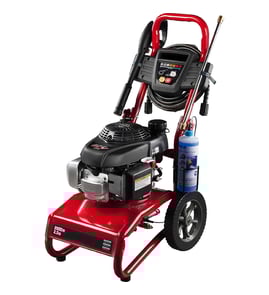



What kind of gas goes in a Craftsman 3000 PSI pressure washer?
For the Craftsman CMXGWAS020727 gas power washer, use clean, fresh unleaded gasoline with a minimum 87 octane (87 AKI). Avoid old fuel and do not use E85; using the right fuel helps the engine start easier and prevents carburetor and fuel-system problems.
What to use (and what to avoid)
- Use unleaded gasoline, 87 octane (AKI) or higher.
- Buy fuel you can use up within about 30 days.
- Avoid E85 (85% ethanol) fuel.
- Avoid gasoline that smells sour, looks dark, or has water/debris.
- Do not mix oil into the gas unless your engine specifically requires a fuel mix (most pressure washer engines are 4-cycle and use straight gas).
Quick fuel checklist before you fill
- Shut the engine off and let it cool.
- Fill outdoors, away from ignition sources.
- Use a clean fuel can and a funnel to reduce spills.
- Leave a little space in the tank for expansion.
If it runs rough or won’t start after fueling
Old fuel and clogged intake filtration are common causes of hard starting and surging on gas pressure washers.
| Symptom | Common fuel-related cause | What to do next |
|---|---|---|
| Hard starting | Stale gas | Drain tank and refill with fresh 87+ octane fuel |
| Surging at idle | Fuel varnish in carburetor | Run fresh fuel; clean fuel system if needed |
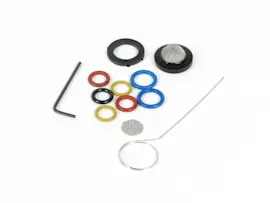
| Low power | Restricted airflow | Check/replace the briggs & statton filter 706821 |
Why it matters
Using fresh 87+ octane unleaded fuel helps protect the carburetor, improves starting, and keeps your Craftsman pressure washer delivering consistent PSI and flow when you’re using the spray gun and nozzle.
Last updated: January 2026
What PSI should my pressure washer be?
For a Craftsman CMXGWAS020727 gas pressure washer, the right PSI depends on what you’re cleaning: most homeowner jobs are handled well in the 1,300 to 2,800 PSI range, while tougher surfaces (like concrete) typically need more pressure and the correct spray nozzle.
Quick PSI guide by cleaning job
- 1,300 to 1,900 PSI: cars, patio furniture, grills, screens
- 2,000 to 2,800 PSI: decks, fences, siding, outdoor tools
- 2,800 to 3,500 PSI: driveways, sidewalks, masonry (use extra care)
- 3,500+ PSI: heavy-duty work; easy to damage wood, paint, and seals
Match PSI with the right nozzle (this matters as much as PSI)
Nozzle angle controls how concentrated the spray is. A tighter spray can clean faster but also damages surfaces faster.
| Nozzle type | Typical spray angle | Best for | Risk level |
|---|---|---|---|
| Wide fan | 40° | siding, rinsing, delicate surfaces | Low |
| General purpose | 25° | decks, patios, general cleaning | Medium |
| Concentrated | 15° | stubborn grime on hard surfaces | High |
| Pencil jet | 0° | spot cleaning only | Very high |
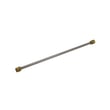
If your spray pattern is uneven, weak, or you see streaking, replacing a worn nozzle often restores cleaning performance; use a model-compatible option such as the briggs & statton Craftsman nozzle 707974.
How we recommend choosing the “right” PSI
- Start with the lowest PSI that removes dirt effectively.
- Use a wider fan nozzle first; step down to a tighter angle only if needed.
- Keep the tip moving and maintain distance (closer equals more effective PSI at the surface).
- Avoid blasting soft wood, painted surfaces, window seals, and caulk.
- If the washer surges or loses pressure, check for a clogged inlet screen or filter; the briggs & statton filter 706821 is a common maintenance item.
Why it matters
Using more PSI than necessary can gouge wood, etch concrete, strip paint, and shorten the life of the pump, hose, and seals. Matching PSI and nozzle keeps cleaning fast while protecting your Craftsman pressure washer and the surface you’re washing.
Last updated: January 2026
Is 3400 PSI too much pressure to wash a car?
Yes; 3,400 PSI is too much pressure to use directly on a car’s paint and trim. On the Craftsman CMXGWAS020727, you will be working at a lower maximum pressure than 3,400 PSI, which is in the safer range for car washing when you use a wide fan nozzle and keep your distance.
Safe pressure approach for washing a car
We focus on reducing impact pressure at the surface, not chasing the highest PSI.
- Use a wide fan spray; never use a zero-degree stream on paint
- Start 3 to 4 feet away, then move closer only as needed
- Keep the wand moving; do not dwell on one spot
- Spray at a shallow angle around emblems, decals, and edges
- Use soap first, then rinse; let chemistry do the work
Typical PSI ranges by task
These ranges help prevent clear-coat damage and water intrusion.
| Task | Typical effective PSI at surface | Notes |
|---|---|---|
| Paint and clear coat | 1,200 to 2,000 | Wide fan, steady passes |
| Wheels and tires | 1,800 to 2,500 | Avoid direct blast at valve stems and wheel weights |
| Seals, mirrors, badges | Low pressure | Avoid spraying into gaps |
If spray is weak, uneven, or surging
A restriction on the water inlet side can make performance inconsistent.
- Confirm the garden hose delivers steady flow
- Check for kinks or a collapsed hose
- Clean the inlet screen
- If filtration is damaged or clogged, replace the briggs & statton filter 706821
Why it matters
Automotive clear coat, rubber seals, and trim are softer than concrete. Excess pressure can strip wax, etch paint, and force water past seals, creating problems that soap and technique prevent.
Last updated: January 2026