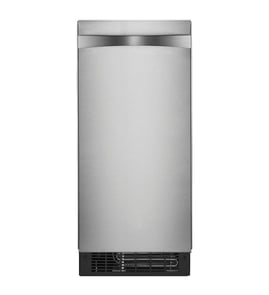

What is the lifespan of the OPAL01GEW1KT Ice Maker?
Most GE freestanding nugget-style ice makers like model OPAL01GEW1KT typically last 2 to 5 years. With consistent descaling, good airflow, and low-mineral water, many owners see around 3 to 4 years of reliable daily use before wear in the pump, scale buildup, or cooling issues start to reduce ice production.
Typical lifespan ranges (what to expect)
- 2 to 3 years: Heavy daily use with hard tap water and infrequent cleaning
- 3 to 4 years: Average home use with regular cleaning and decent water quality
- 4 to 5 years: Good maintenance plus filtered or low-mineral water
- 5+ years: Best-case scenario with strict descaling habits and clean operating conditions
| Usage and care level | Water quality | Cleaning/descaling habit | Typical lifespan |
|---|---|---|---|
| Heavy use, minimal care | Hard | Rare | 2 to 3 years |
| Normal use, basic care | Mixed | Monthly or as needed | 3 to 4 years |
| Normal use, strong care | Filtered/low-mineral | Regular schedule | 4 to 5 years |
What shortens the life of an OPAL01GEW1KT ice maker
- Hard water mineral scale clogging internal water paths
- Running with poor ventilation (warm cabinet, blocked vents)
- Letting the unit sit with water in it for long periods
- Skipping routine cleaning of the bin, chute, and reservoir
- Power interruptions or frequent on/off cycling
Maintenance habits that extend lifespan
- Use filtered, RO, or low-mineral water to reduce scale
- Keep the unit level and allow airflow around the cabinet
- Empty and refresh the water if the unit sits unused
- Clean the ice bin and wipe food-safe surfaces routinely
- Follow a consistent descaling routine; scale is the most common long-term killer
Why it matters
Lifespan is mostly about water quality and scale control. Nugget ice makers recirculate water constantly; mineral buildup can reduce flow, strain the pump, and eventually cut ice output. Good cleaning habits protect the water system and keep ice production steady.
For help identifying your exact model label before ordering parts, use how to find your appliance model number (and what it means for parts).
Last updated: February 2026
Can you leave the GE OPAL01GEW1KT Ice Maker on all the time?
Yes. You can leave the GE OPAL01GEW1KT freestanding icemaker on all the time for everyday use; it is designed to make ice, pause when the bin is full, and recycle meltwater back into the system so you have nugget ice ready when you want it.
When leaving it on makes the most sense
Keeping it running works well when you use ice daily and want consistent production.
- You use nugget ice throughout the day (water bottles, smoothies, entertaining)
- You do not want to wait for a fresh batch after turning it back on
- You are okay with routine cleaning and descaling to prevent mineral buildup
- The unit has good airflow around it and stays level on the counter
When we recommend turning it off
If you will not use ice for a while, shutting it down helps prevent stale odors and reduces the chance of scale buildup.
- Overnight or weekends: optional, based on your ice habits
- 2 to 3+ days away: turn it off, empty the bin, and drain the reservoir
- Vacation or extended absence: turn it off, clean it, and let the interior dry
- If you notice off-taste or odor: empty ice and clean before making more
Quick decision guide
| Situation | Best setting | What to do with existing ice |
|---|---|---|
| Daily use | Leave on | Use normally; discard old ice if it tastes stale |
| Light use (a few times/week) | Leave on or schedule off periods | Empty and refresh ice more often |
| Away for several days | Turn off | Empty bin; drain water |
| After cleaning/descaling | Leave on | Discard the first batch after restart |
Why it matters
Running continuously keeps ice available, but it also means water is always cycling through the system. Regular cleaning, descaling, and good ventilation protect key components like the pump, evaporator, and fan, and help maintain ice taste.
Helpful DIY reading
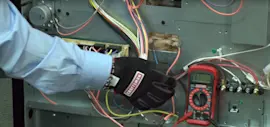
If you are planning any troubleshooting or electrical checks (for example, verifying power at the outlet or checking a switch), use our safety guidance first: are diy appliance repairs safe.
Last updated: February 2026
What are the parts of the ice maker machine?
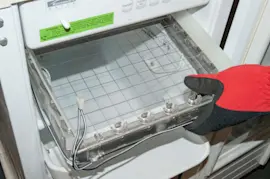
A GE freestanding ice maker like model OPAL01GEW1KT is built from a sealed refrigeration system, a water system, and controls that coordinate freezing, harvesting, and bin management. The exact part list varies by configuration, but the major assemblies are consistent across countertop and freestanding ice makers.
Main assemblies you will typically find
- Refrigeration system: compressor, condenser coil, evaporator (freezing surface), refrigerant tubing
- Airflow and heat removal: condenser fan, sometimes an evaporator fan, air ducts and grilles
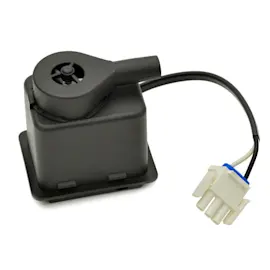
- Water supply and circulation: water reservoir, inlet valve, pump, distribution tube/nozzle, drain lines
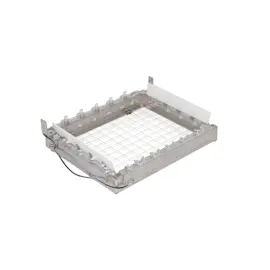
- Ice making and harvesting: ice mold or freezing plate, cutter/grid (on some designs), harvest mechanism
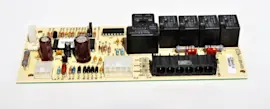
- Controls and sensing: control board, user interface, thermistors/temperature sensors, bin-full sensor
- Cabinet and sealing parts: door/lid, hinges, gaskets, insulation, panels, feet/leveling legs
What each part does (quick reference)
| System | Key parts | What it controls | Common symptom if it fails |
|---|---|---|---|
| Refrigeration | Compressor, condenser, evaporator | Freezes water into ice | Warm unit, slow/no ice |
| Water | Inlet valve, pump, reservoir | Moves water to the freezing area | No fill, small/odd ice |
| Airflow | Fan, vents | Removes heat from condenser | Overheating, poor output |
| Controls | Control board, sensors | Timing, temperatures, bin level | Erratic operation, stops early |
Why it matters
Knowing the major parts helps you troubleshoot faster. For example, “no ice” can be a water-fill issue (valve/pump), a heat-removal issue (fan/dirty condenser), or a cooling issue (sealed system). Identifying the system narrows the repair path and the parts you need.
Tips before you order parts
- Confirm the model number is OPAL01GEW1KT on the rating label.
- Match parts by model, not by appearance alone.
- If the unit is not making ice, start with basics: power, water supply, and condenser airflow.
- For electrical checks (switches, sensors, boards), use safe testing practices and the right tools.
For help identifying the correct replacement part by model number, use how to find your appliance model number (and what it means for parts).
Last updated: February 2026
Is it worth repairing a GE ice maker?
Repairing a GE freestanding icemaker like model OPAL01GEW1KT is worth it when the unit is relatively new, the problem is isolated (for example, a clogged water path or a failing sensor), and the total repair cost stays well below the cost of replacement. When repairs are frequent or expensive, replacement is the better value.
Quick decision guide (what we use)
- Repair if the unit is under ~5 years old and this is the first major issue.
- Repair if the fix is simple maintenance (cleaning, descaling, clearing a drain, tightening a loose connection).
- Repair if the estimate is under ~50% of replacement cost.
- Replace if the unit has repeat failures (same symptom returns after repair).
- Replace if there is sealed-system or major electrical damage (compressor, control board burn marks, heavy corrosion).
- Replace if you need multiple parts plus labor and downtime matters.
What typically fails on freestanding ice makers
These are the most common cost drivers and what they usually mean:
| Symptom | Common cause | Typical effort |
|---|---|---|
| No ice or very slow ice | Scale buildup, restricted water flow, inlet issue | Low to medium |
| Ice is small or hollow | Water supply restriction, dirty reservoir, low flow | Low |
| Leaking | Loose hose, cracked reservoir, drain issue | Low to medium |
| Loud or grinding noise | Fan issue, pump issue, ice jam | Medium |
| Won’t power on | Outlet/GFCI, cord, internal wiring, control failure | Medium to high |
Why it matters
A freestanding icemaker’s value is mostly in reliable daily production. If you are paying for repeated service calls or the same issue keeps coming back, the total cost quickly exceeds the benefit, even if each individual repair seems “reasonable.”
Practical next steps before you decide
- Unplug the unit for 5 minutes, then restart (rules out a simple control reset).
- Check the outlet and GFCI; confirm the unit is getting steady power.
- Clean and descale the water system; scale is a top cause of slow production.
- Inspect for obvious leaks, kinks, or loose fittings.
- If you plan to repair, confirm the exact model number first so parts match OPAL01GEW1KT; use how to find your appliance model number (and what it means for parts).
Last updated: February 2026
What is the most common problem with GE refrigerators ice maker?
On the GE OPAL01GEW1KT freestanding icemaker, the most common “no ice” problem is a water supply issue: the reservoir is low, the unit is not primed, or the water path is restricted by scale or debris. The next most common issue is a dirty ice path that causes clumping or slow production.
What to check first on the GE OPAL01GEW1KT
- Confirm the water reservoir is filled to the correct level and seated properly.
- Make sure the unit is powered on and has completed its initial start-up cycle.
- Check for mineral buildup (white scale) around the reservoir, pump area, and ice chute.
- Verify the bin is installed correctly; a mis-seated bin can interrupt normal operation.
- Keep the unit in a normal room environment; extreme heat reduces output.
Quick troubleshooting steps (safe, no special tools)
- Unplug the icemaker for 2 minutes, then plug it back in to restart the control.
- Empty the bin, then restart a cycle to see if ice begins forming normally.
- Clean and descale the water system if you see scale or if ice output has slowed.
- Use fresh water and replace it regularly; stagnant water increases odor and buildup.
Symptom-to-cause guide
| What you notice | Most likely cause | What to do next |
|---|---|---|
| No ice, pump sounds weak or intermittent | Low water level or air in the water path | Refill reservoir, restart unit |
| Slow production, smaller nuggets | Mineral scale restricting flow | Clean and descale |
| Ice clumps or wet ice in bin | Dirty chute/bin or warm conditions | Clean bin and chute, improve airflow |
| Unit runs but stops frequently | Dirty sensors or bin not seated | Clean, reseat bin |
Why it matters
This model makes nugget ice by circulating water through an internal system. Any restriction from low water, air in the line, or mineral scale quickly reduces flow and stops ice production.
If you meant a GE refrigerator icemaker
Refrigerator icemakers most often fail from restricted water flow (filter or supply), a frozen fill tube, or an icemaker module issue. To get the right troubleshooting and parts, match the refrigerator’s model number using how to find your appliance model number (and what it means for parts).
Last updated: February 2026