Error Codes



What is the life expectancy of a KitchenAid oven?
A KitchenAid electric wall oven like model KODE507ESS21 typically lasts 15 years. Consistent cleaning, avoiding overheating, and fixing heat or airflow problems early helps the oven reach that full service life.
What affects how long your oven lasts
- How often you bake or broil (daily use shortens lifespan)
- Running self-clean frequently (high heat stresses wiring and controls)
- Venting and cooling airflow (blocked vents trap heat)
- Power quality (surges can damage electronic controls)
- Prompt replacement of failing heating or cooling parts
Common “end-of-life” symptoms to watch for
If you see these issues repeatedly, the oven is usually wearing out or has a key component failing:
- Slow preheat or uneven baking
- Broil works but bake does not (or vice versa)
- Convection fan noise, no fan, or poor convection performance
- Overheating, shutdowns, or error beeps during long bakes
- Door not sealing well, causing heat loss and longer cook times
Parts that often restore performance
Many ovens feel “worn out” because one high-wear part is failing. For KODE507ESS21, these are common examples:
| Symptom | Likely area | Example part for this model |
|---|---|---|
| No/weak bake heat | Bake heating circuit | Range bake element W11545804 |
| Poor convection or noisy fan | Convection fan motor | Convect motor assembly W11617227 |
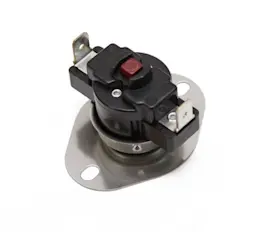
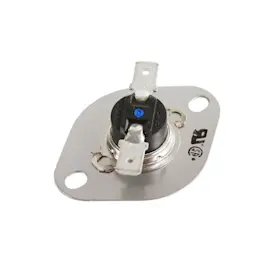
| Oven overheats or trips off | Overheat protection | Range high-limit thermostat WP4449751 |
Why it matters
A wall oven that runs hot, heats unevenly, or cannot move cooling air properly puts extra stress on the control system and wiring. Correcting heating and airflow problems early helps protect expensive components and keeps cooking results consistent.
Last updated: January 2026
Are KitchenAid wall ovens good?
KitchenAid wall ovens, including the KitchenAid KODE507ESS21 electric wall oven, are a solid choice for most kitchens because they typically deliver even baking, strong convection performance, and a premium look and feel. The main tradeoffs customers report are longer preheat times and occasional temperature accuracy concerns.
What “good” usually means for a wall oven
When we evaluate a wall oven, we focus on day-to-day cooking results and long-term serviceability.
- Cooking performance: consistent baking and broiling, especially across multiple racks
- Convection results: faster, more even roasting and baking when the fan and element are working correctly
- Controls and usability: clear display, predictable settings, reliable door operation
- Noise and cooling: normal fan noise, effective venting, safe cabinet temperatures
- Parts support: common wear parts available when something eventually fails
Common pros and cons customers notice
These are the most frequent themes we see across KitchenAid wall oven ownership.
| What owners like | What can be frustrating |
|---|---|
| Even baking and roasting | Preheat can feel slow compared to older ovens |
| Convection cooking for better browning | Temperature may need calibration if food finishes early/late |
| Premium styling (often stainless) | Fan noise during cooling can seem loud but is often normal |
If performance seems “off,” check these first
Many “not cooking right” complaints come down to airflow, calibration, or a heating component starting to weaken.
- Confirm you are using the right mode (Bake vs Convection bake) and rack position
- Allow extra preheat time; many ovens stabilize after the beep
- Avoid blocking vents; restricted airflow can affect temperature stability
- If baking is uneven, inspect the convection system; a failing convect motor assembly W11617227 can reduce airflow
- If the oven struggles to reach or hold temperature, a weak bake element such as the range bake element W11545804 is a common cause
Why it matters
A “good” wall oven is one that holds temperature and circulates heat correctly. When heating or airflow parts wear, you can see slow preheats, uneven browning, or inconsistent doneness, even if the control panel seems to work normally.
Last updated: January 2026
What is the best brand for electric wall ovens?
KitchenAid is one of the best brands to consider for electric wall ovens because it typically balances cooking performance, build quality, and long-term parts support; your KitchenAid KODE507ESS21 is a solid example of a premium double wall oven platform. The “best” brand still depends on your priorities: reliability, features (convection, smart controls), service access, and budget.
How we recommend choosing the “best” brand
- Service and parts availability: brands with strong parts pipelines are easier to keep running long-term.
- Cooking features you will actually use: true convection, temperature probe support, self-clean options.
- Control style: touch controls vs. knobs, and how easy the interface is to use.
- Installation fit: cutout size and electrical requirements must match your cabinet and circuit.
- Repairability: common wear parts should be accessible and reasonably priced.
Quick brand comparison (what matters most)
| Priority | What to look for | What it means in real use |
|---|---|---|
| Reliability | Proven platforms, fewer electronics issues | Fewer no-heat and error-code events |
| Performance | Even baking, strong broil, convection | Better browning and consistency |
| Ownership cost | Parts pricing and availability | Lower long-term repair cost |
| Support | Local service coverage | Faster fixes when something fails |
Why it matters for KODE507ESS21 owners
Even the best wall oven brand will eventually need maintenance. For a KitchenAid electric wall oven like KODE507ESS21, common repair categories include heating, cooling/venting, and convection airflow. Having the right replacement parts ready can reduce downtime.
Parts that often relate to performance complaints
- If baking is uneven or slow, the lower oven may need a heating component check such as the range bake element W11545804.
- If convection results are inconsistent, the fan system (motor and element) is worth inspecting, including the convect motor assembly W11617227.
- If the oven overheats or shuts down during high-heat cycles, an over-temperature safety device such as the range high-limit thermostat WP4449751 can be involved.
Helpful DIY skill builders (for comparing brands and maintaining any oven)
- Must have tools for appliance repair
- How to use a multimeter to test electrical parts video
- Are diy appliance repairs safe
Last updated: January 2026
How to know if the KitchenAid wall oven thermostat is bad?
On the KitchenAid KODE507ESS21 electric wall oven, a bad thermostat or overheat control typically shows up as overheating, wide temperature swings, or repeated shutdowns even after basic calibration and reset steps. The most reliable confirmation is checking for consistent temperature control and testing the related safety thermostat for proper continuity.
Common signs the thermostat circuit is failing
- Oven temperature runs consistently hot (food burns, browning happens too fast).
- Temperature swings widely during baking (long recovery times, uneven results).
- Oven shuts off mid-cycle and later works again after cooling (overheat protection opening).
- Preheat takes much longer than normal or never stabilizes.
- You smell overheating or notice the cabinet area getting unusually hot.
Quick checks we recommend before replacing parts
- Power reset: Turn the breaker off for 1 minute, then back on.
- Verify with an oven thermometer: Compare set temp vs. actual temp after 20 to 30 minutes.
- Check for airflow issues: Make sure vents are not blocked and the door closes fully.
- Look for heating pattern problems: If the bake element is damaged, temperature control can look “wrong” even when the thermostat is fine.
What “normal” temperature behavior looks like
| What you see | Usually normal | Usually a problem |
|---|---|---|
| Temperature cycles up and down | Yes, within a moderate range | No, if swings are extreme |
| Slightly hotter near the top rack | Yes | No, if baking is consistently uneven |
| Frequent shutdowns during baking | No | Yes |
Parts that commonly get blamed (and how to narrow it down)
- Overheating or random shutdowns: Check the range high-limit thermostat WP4449751.
- Poor baking or long preheat: Inspect the range bake element W11545804 for blisters, cracks, or burned spots.
- Uneven convection baking: A failing fan system can mimic temperature issues; consider the convect motor assembly W11617227.
Why it matters
A thermostat or high-limit issue can cause overheating that ruins food, stresses wiring, and can trigger repeated safety shutoffs. Confirming the symptom pattern first helps you replace the right part the first time.
Last updated: January 2026