



How do I find the right MTD part?
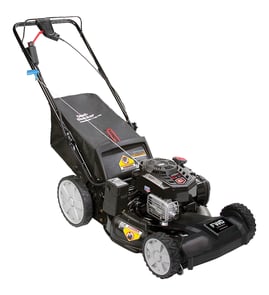
To find the right part for your MTD gas lawn mower model 11A-B2AQ793, we match parts by the exact model number and the mower’s illustrated parts breakdown; that ensures the replacement fits and installs like the original.
Step-by-step: how we recommend finding the correct part
- Confirm the full model number is 11A-B2AQ793 (use the complete tag, not a partial).
- Use the model’s parts diagrams to identify the exact component name and reference location.
- Compare the part description to what you see on the mower (bag, handle hardware, deck area, etc.).
- If multiple similar items appear, match by function and where it mounts.
- Order using the exact part listing for your model to avoid look-alike parts.
Common part-matching details to double-check
| What to match | Why it matters | Example on this model |
|---|---|---|
| Model number | Ensures compatibility | 11A-B2AQ793 |
| Part name | Confirms you are in the right section | Grass bag |
| Mounting style | Prevents fit issues | Frame hooks, chute connection |
| Condition of old part | Helps confirm you are replacing the correct item | Torn fabric, broken frame |
Example: a known compatible part for this model
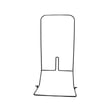
If you are replacing the catcher, use the model-specific listing for the lawn mower grass bag 664P05322A. That part is identified for MTD 11A-B2AQ793 and is the safest way to avoid ordering a similar-looking bag that will not latch or seal correctly.
Why it matters
Walk-behind mower parts often look interchangeable across MTD families, but small differences (deck opening, bag frame shape, attachment points) can cause poor fit, clogs, or unsafe operation. Matching by the exact model number and diagram prevents repeat orders and downtime.
Last updated: January 2026
How do I tell what year my MTD mower is?
For an MTD walk-behind mower model 11A-B2AQ793, the build year is identified from the serial number, not the model number. On many MTD products with an 11-character serial number, the 5th character indicates the last digit of the year it was manufactured.
Where to find the serial number on an MTD mower
We typically see the serial number on a product ID label in one of these spots:
- On the rear deck area near the discharge opening
- On the top of the mower deck near the engine mounting area
- On the back of the mower housing near the height-adjustment brackets
- Near the handle mounting points
How to decode the year (quick example)
If your serial number is 11 characters long, look at the 5th character.
- If the 5th character is “9”, the mower was built in a year ending in 9
- If the 5th character is “2”, the mower was built in a year ending in 2
What the 5th character can and cannot tell you
| What you get | What you do not get |
|---|---|
| The last digit of the manufacture year | The full 4-digit year by itself |
| A fast way to narrow the build year | The exact month/day of manufacture |
To determine the full year (for example, 2019 vs. 2009), we match that last digit to other clues such as the mower’s approximate age, engine family, and parts style used on 11A-B2AQ793.
Why it matters
Knowing the correct manufacture year helps us match the right parts and diagrams for your MTD mower, especially when there are mid-series changes to items like the blade, drive components, or bagging hardware.
If you are also checking bagging components while you identify the mower, the lawn mower grass bag 664P05322A is a model-matched part option for 11A-B2AQ793.
Last updated: January 2026
Is it cheaper to repair or replace a lawn mower?
For an MTD 11A-B2AQ793 gas walk-behind mower, it’s usually cheaper to repair when the fix is routine (blade service, tune-up, bag replacement) and the total repair cost stays under about half the price of a comparable new mower. Replace when you’re facing major engine or drive-system costs or repeated breakdowns.
Quick decision guide (repair vs. replace)
Use these checkpoints to decide what makes sense for your mower’s condition and your budget:
- Repair if the mower starts reliably and the issue is maintenance-level (blade, oil, air filter, spark plug, bagging problems).
- Repair if the total parts plus labor is under ~50% of a similar new mower.
- Replace if the engine has low compression, heavy smoking, or internal damage.
- Replace if the self-propel/drive system has major failure and repair costs stack up.
- Replace if you’ve had multiple repairs in the last 1 to 2 seasons and performance keeps dropping.
Cost comparison table
These are typical decision thresholds that work well for most walk-behind mowers, including the MTD 11A-B2AQ793.
| Situation | Usually cheaper choice | Why |
|---|---|---|
| Routine maintenance or minor wear items | Repair | Low parts cost, fast turnaround |
| One moderate repair but mower is otherwise solid | Repair | Extends useful life at reasonable cost |
| Major engine repair or multiple big issues at once | Replace | Costs can approach a new mower quickly |
| Repeated failures season after season | Replace | Reliability and downtime become the real cost |
Model-specific parts that can keep repair costs low
If your mower is still running well and you mainly need to restore bagging performance, replacing the bag is often a cost-effective repair.
Why it matters
A walk-behind mower is a simple machine; when you keep up with basic maintenance, repairs are often economical. Once you’re paying for major engine or drive work, replacement can be the better value because you’re buying back reliability, time, and consistent cut quality.
Last updated: January 2026
What are the most common lawn mower repairs?
The most common repairs on the MTD 11A-B2AQ793 gas walk-behind mower are fuel-related no-start issues, ignition problems, and airflow or cutting-performance problems. Most fixes come down to refreshing fuel, cleaning or replacing basic tune-up items, and correcting blade, deck, or bagging restrictions.
Most common repairs we see (and what they usually mean)
- Won’t start or starts then dies: stale fuel, clogged carburetor passages, dirty air filter, or a failing spark plug
- Runs rough or surges: partially clogged carburetor, water in fuel, restricted fuel cap vent
- Hard to pull or won’t crank: blade obstruction, bent blade, or engine internal resistance (stop and inspect)
- Cuts uneven or leaves clumps: dull/bent blade, deck packed with wet grass, mowing too fast
- Poor bagging or blowout: clogged chute, overfilled bag, or restricted airflow through the bag
Quick checks before you buy parts
- Turn the engine off and remove the spark plug wire.
- Drain old gas and refill with fresh fuel (gas can go stale quickly).
- Inspect the air filter and spark plug; replace if dirty, oil-soaked, or worn.
- Tip the mower only as recommended for walk-behind mowers (avoid flooding the air filter/carb).
- Clear grass buildup under the deck and in the discharge path.
Bagging-related problems on this model
If the mower runs fine but bagging performance is poor, the bag or airflow path is often the issue. Check for tears, clogged mesh, or a poor seal at the rear door.
| Symptom | Likely cause | What to do |
|---|---|---|
| Bag won’t fill | Chute/deck clogged | Clean deck and discharge path |
| Grass blows out | Bag clogged or torn | Clean or replace bag |
| Clumps on lawn | Wet grass or dull blade | Mow when dry; sharpen blade |
If you need a replacement, match it to the model-specific part: lawn mower grass bag 664P05322A.
Why it matters
Addressing fuel, spark, and airflow issues early prevents repeated no-starts, reduces engine strain, and improves cut quality. Keeping the deck and bagging system clear also helps the mower maintain proper airflow for efficient cutting.
Last updated: January 2026
What kind of gas do I put in my push lawn mower?
For the MTD 11A-B2AQ793 gas walk-behind mower, use fresh regular unleaded gasoline; in most cases, fuel with up to 10% ethanol (E10) is acceptable. Avoid high-octane “premium” fuel unless your engine label specifically calls for it.
What to use (and what to avoid)
- Use: Fresh regular unleaded gasoline (typically 87 octane)
- Usually OK: E10 (10% ethanol) if that is what’s commonly available
- Avoid: Old/stale gas (more than 30 days without stabilizer)
- Avoid: E15 or higher ethanol blends (often labeled 88), unless the engine explicitly approves it
- Avoid: E85/flex-fuel blends
- Avoid: Gas mixed with oil (unless your mower has a 2-cycle engine, which most walk-behind mowers do not)
Quick fuel decision table
| Fuel type | Good choice for MTD 11A-B2AQ793? | Why it matters |
|---|---|---|
| Regular unleaded (87) | Yes | Reliable starting and normal combustion |
| E10 | Usually | Commonly supported; reduces phase-separation risk vs. higher blends |
| E15 (88) | No | Can cause hard starting, lean running, fuel-system issues |
| E85 | No | Too much ethanol for small engines |
| Premium (91-93) | Not needed | Higher octane does not add power in small engines |
Best practices for fewer starting and carburetor problems
- Buy gas in small quantities so it stays fresh.
- If the mower will sit, add fuel stabilizer and run the engine a few minutes.
- Store fuel in an approved container, tightly sealed.
- Keep the fuel cap area clean so debris does not fall into the tank.
Why it matters
Using the right gasoline helps your mower start easier, run smoother, and reduces varnish buildup that can clog the carburetor and fuel lines.
If you’re doing seasonal storage or bagging a lot of clippings, keeping the mower maintained (and using the correct accessories like the lawn mower grass bag 664P05322A) helps overall performance.
Last updated: January 2026