




What is the rough opening for a GE dishwasher?
For the GE dishwasher model GDF630PMM4ES, the rough cabinet opening is typically 24 inches wide, 24 inches deep, and about 34-1/2 inches high (floor to underside of the countertop). Plan for about 25-1/2 inches of clearance in front so the door can open fully.
Rough opening checklist (before you install)
- Measure the opening width in at least 3 spots (top, middle, bottom); aim for 24 inches minimum.
- Confirm the cabinet depth is 24 inches minimum (not counting the door).
- Measure height from finished floor to countertop underside; target about 34-1/2 inches.
- Verify the dishwasher can slide in without pinching the water line, drain hose, or power.
- Make sure adjacent cabinets and walls allow the door to open without interference.
Clearance and fit: quick reference
| Measurement | Typical target | Why it matters |
|---|---|---|
| Opening width | 24 in | Prevents binding and vibration |
| Opening depth | 24 in | Ensures the tub fits fully in the cabinet |
| Opening height | ~34-1/2 in | Allows leveling legs to adjust correctly |
| Front clearance | ~25-1/2 in | Allows full door opening and rack access |
Why it matters
A correct rough opening helps the dishwasher sit level, seal properly, and run quietly. If the opening is too tight, the door can rub, the tub can twist, and leaks are more likely over time.
If the opening is close but not perfect
- If height is tight, check whether flooring was added after the original install; you may need to adjust leveling legs or flooring transitions.
- If depth is short, confirm nothing is blocking the rear (plumbing, shutoff valve position, or wiring).
- If the unit rocks after install, re-level it; a rocking dishwasher can affect wash performance and door sealing.
For installation-related tips that help prevent movement after fitting the unit into the opening, see how to refasten a dishwasher to the cabinet video.
Last updated: January 2026
What does 4H mean on GE dishwasher?
On the GE dishwasher model GDF630PMM4ES, 4H means the Delay Start (Delay Hours) feature is set for 4 hours, so the wash cycle will begin about 4 hours after you press Start.
What to do if you did not mean to delay the cycle
- Press Delay (or Delay Start) until the display shows 0H or the delay indicator turns off.
- Press Start to begin the cycle.
- If the dishwasher still will not run, make sure the door is fully latched.
- Check for a control lock setting (some models show a lock light when enabled).
- If the display shows a different code (not a delay time), use GE electronic dishwasher error codes to identify it.
Quick guide: what the “H” display usually indicates
| Display | Meaning | What you will notice |
|---|---|---|
| 2H | Delay Start set for 2 hours | Dishwasher waits, then starts |
| 4H | Delay Start set for 4 hours | Dishwasher waits longer before starting |
| 0H / off | Delay Start not set | Cycle starts normally after Start |
Why it matters
A delay setting can look like a “won’t start” problem even though the dishwasher is working normally. Clearing the delay is often the fastest fix before checking parts like the door latch.
When a part is the likely issue
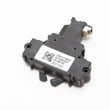
If the delay is off and the dishwasher still will not start, a common cause is a door latch that is not engaging. For this model, the latch component is GE dishwasher door latch lock WD21X10490.
Last updated: January 2026
How many years does a GE dishwasher last?
A GE dishwasher like model GDF630PMM4ES typically lasts 10 to 12 years. With consistent cleaning and prompt repairs (especially for draining, heating, and wash performance issues), many households see around 10 to 15 years of service.
Typical lifespan and what changes it
Most dishwasher life depends on how hard it works and how clean the wash system stays.
- Daily use tends to shorten lifespan compared to light weekly use
- Hard water can speed up scale buildup on the heater and inside the sump
- Clogging (filters, sump area, drain path) strains the pump and motor
- Overloading can reduce cleaning and increase wear on racks and spray arms
- Small leaks that go unchecked can damage wiring and components
What to do to reach the high end of the range
These steps help the GDF630PMM4ES run efficiently and reduce stress on key parts.
- Clean the filter area and remove debris from the sump regularly
- Run a dishwasher cleaner periodically if you have hard water
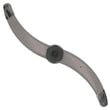
- Keep spray arm holes clear; replace a damaged arm such as the dishwasher spray arm, lower WD22X33499
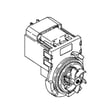
- Fix slow or no-drain symptoms early; a failing dishwasher drain pump WD19X25461 can shorten overall life
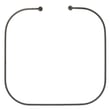
- If drying gets weak, check heating performance; the dishwasher heating element WD05X35098 is a common wear item
Quick guide: symptoms that often signal end-of-life wear
| Symptom | Most common system involved | What it usually means |
|---|---|---|
| Not draining or standing water | Drain system | Pump or hose restriction/wear |
| Poor cleaning, gritty dishes | Wash system | Spray arm blockage, sump issues, weak wash pump |
| Not drying well | Heating system | Heater circuit issue, scale buildup, control problem |
| Random stopping or beeping | Controls/sensors | Error code, latch, control board, sensor input |
Why it matters
A dishwasher near the end of its typical lifespan can still be worth repairing when the issue is isolated (like a drain pump or spray arm). Using error codes to pinpoint the failure helps avoid replacing good parts; start with GE electronic dishwasher error codes.
Last updated: January 2026
What is the most common problem with GE dishwashers?
The most common problems we see with GE dishwashers like model GDF630PMM4ES are draining issues (water left in the tub), not starting (door not latching or control issue), and poor cleaning (spray arm or wash system problems). These usually trace back to clogs, a failed pump, or a latch that is not closing fully.
Most common symptoms and what to check first
- Not draining: check the drain path for food debris; listen for the drain pump running.
- Won’t start: confirm the door closes firmly; a weak latch can stop the cycle.
- Not cleaning well: inspect spray arms for blocked holes and confirm they spin freely.
- Not filling: verify the water supply valve is on and the inlet screen is not clogged.
- Not drying: confirm heated dry is selected; heating problems can reduce drying.
Parts that commonly solve these problems on GDF630PMM4ES
If basic checks do not help, these model-matched parts are common fixes:
| Problem area | What fails | Model-matched part to consider |
|---|---|---|
| Draining | Pump not running or weak | Dishwasher drain pump WD19X25461 |
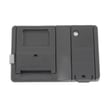
| Starting | Door not latching consistently | GE dishwasher door latch lock WD21X10490 |
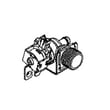
| Filling | Valve not opening or restricted | Dishwasher water inlet valve WD15X26078 |
| Cleaning | Lower spray arm clogged or cracked | Dishwasher spray arm, lower WD22X33499 |
Quick troubleshooting steps (safe, no tools)
- Cancel the cycle and let the unit attempt to drain; note any humming or silence.
- Remove and rinse the filter area and sump inlet (food debris is the most common cause).
- Spin the lower spray arm by hand; clear blocked jets with warm water.
- Run hot water at the sink for 30 to 60 seconds before starting a cycle.
- If the dishwasher stops when you press the door, suspect the latch alignment.
Why it matters
Drain, latch, and spray issues can look like “the dishwasher is bad,” but they are usually one failed component or a simple blockage. Fixing the root cause restores normal wash pressure, proper fill levels, and reliable cycle starts.
For display codes or beeping patterns, use GE electronic dishwasher error codes to match the symptom to the most likely circuit or component.
Last updated: January 2026





