Owner’s manual
 Error Codes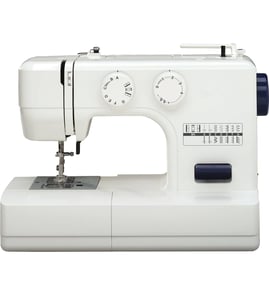

What year is the Kenmore sewing machine model 38518830490?
Kenmore sewing machine model 38518830490 does not map to one single published “model year”; Kenmore 385-series machines were produced across multiple decades, and the exact build date is identified by the serial number on your machine’s nomenclature plate. Use the owner's manual to confirm where to find and record that serial number.
How to find the date information on your machine
The most reliable way to narrow the year is to use the identification plate information the manual calls out.
- Unplug the sewing machine before handling it around the motor area or light.
- Locate the nomenclature plate (ID plate) on the machine.
- Write down the model number (38518830490) and the serial number.
- Keep that information with your paperwork for parts lookup and service history.
- If the plate is hard to read, take a clear photo in good light and zoom in.
What we can tell from the manual for this model family
Your documentation identifies this as a household, mechanical Kenmore zigzag machine and notes it is a center needle, low bar design. That helps with compatibility decisions (needles, presser feet, and some accessories), but it does not assign a single manufacturing year.
Quick reference
| Item | Where to find it | What it helps with |
|---|---|---|
| Model number | Nomenclature plate | Correct parts diagrams and manual match |
| Serial number | Nomenclature plate | Narrowing production timeframe |
| Machine type | Manual description | Accessory and setup compatibility |
Why it matters
Knowing the approximate production timeframe helps you choose compatible accessories (foot controller, bobbins, needles) and speeds up parts identification when you are troubleshooting issues like a motor that will not run, fabric not moving, or a machine that locks up.
Related troubleshooting help
If you are seeing a code or unusual behavior, use these model-family resources:
Last updated: February 2026
Is it worth repairing an old sewing machine?
Yes, repairing an older Kenmore sewing machine like model 38518830490 is usually worth it when the machine has a solid mechanical “head,” the repair is a normal wear item (belt, motor, switch, cleaning), and the total cost stays below the price of a comparable replacement. Use the 38518830490 owner's manual to match symptoms to safe checks and maintenance.
Quick way to decide (cost vs. value)
Use this checklist before you spend money on parts or service:
- Worth repairing when it sews well after cleaning, oiling (if specified), and correct threading
- Worth repairing when the issue is isolated (foot controller, power cord, on/off switch, drive belt)
- Worth repairing when you use it often or need its stitch quality for heavier fabrics
- Maybe not when the machine has severe internal damage (bent shafts, cracked castings) or repeated timing failures
- Maybe not when repair cost approaches the cost of a dependable replacement machine
What typically fails on older mechanical machines
Most “old sewing machine” repairs are straightforward and parts-related:
| Symptom | Common cause | Typical fix |
|---|---|---|
| Won’t turn on | Power cord, foot controller, on/off switch | Inspect cord, test controller, replace switch if needed |
| Motor runs but needle won’t move | Loose/broken drive belt, jammed mechanism | Clear jam, replace belt |
| Fabric not moving | Feed dogs down, lint buildup, incorrect presser foot pressure | Raise feed dogs, clean lint, adjust settings |
| Locks up | Thread jam in hook/bobbin area, dried lubricant | Remove jam, clean and service |
Safety and “when to stop”
We recommend following the safety guidance in the 38518830490 owner's manual, especially around electrical issues and moving parts.
- Unplug before cleaning the bobbin area or removing covers
- Keep fingers clear of the needle and take-up lever area
- Do not run the machine with blocked ventilation openings (lint buildup matters)
- If the cord or plug is damaged, stop using the machine until it’s repaired
Why it matters
A well-maintained mechanical Kenmore can deliver consistent stitch quality for decades. Repairing common wear items often restores performance for far less than replacing the machine, and it helps you avoid new-machine learning curves and accessory compatibility issues.
Last updated: February 2026
When did Kenmore stop making sewing machines?
Kenmore sewing machines (including the Kenmore 38518830490) are discontinued; Kenmore-branded machines were produced for Sears by outside manufacturers for many years, and Sears later stopped selling new Kenmore sewing machines as stores and catalogs wound down. For model-specific history and identification details, use the 38518830490 owner's manual.
What we can say for Kenmore 38518830490
This model is part of the Kenmore 385 series, a long-running line of mechanical machines sold through Sears. The manual also shows that 385-series model numbers cover many variants (the “xxx” portion represents different versions), which is why the exact end date varies by model family and sales channel.
Quick timeline (practical view)
| Era | What it means for Kenmore sewing machines | What you should do today |
|---|---|---|
| Vintage production years | Kenmore machines were built by contract manufacturers and sold under the Kenmore name | Use the model number to match parts and accessories |
| Later Sears retail years | New Kenmore machines became less common and eventually stopped being sold new | Shop by model number for compatible parts |
| Today | New Kenmore sewing machines are not in regular production | Maintain and repair existing machines; parts availability varies |
How to identify your machine and order the right parts
We recommend using the model and serial number from the nomenclature plate (typically on the back of the machine) whenever you look up parts or service information.
- Confirm the full model number: 38518830490
- Record the serial number from the machine’s plate
- Match the part description to your exact machine version
- Use the parts list section in the manual to cross-check names
- Keep notes on symptoms (locks up, sluggish, needle not moving) to narrow the repair
Why it matters
Because Kenmore sewing machines were made by multiple manufacturers over time, “Kenmore” alone is not enough to date the machine or guarantee part fit. The model number (and sometimes the version suffix used in manuals) is what keeps repairs accurate and prevents ordering the wrong motor, belt, switch, or presser foot.
Related help for Kenmore 385 models
If your question is tied to a fault code or a machine that will not run, our Kenmore 385 error codes guide is the fastest way to translate the display or symptom into the most likely repair path.
Last updated: February 2026
Is Kenmore sewing machine 38518830490 low shank?
Yes. Kenmore sewing machine model 38518830490 uses a low-shank presser-foot system, so accessories labeled low shank (including many walking foot or even-feed feet) fit this machine.
How we confirm low shank on this model
Your 38518830490 manual identifies the machine as a center needle model with a low bar configuration; in practical accessory terms, that corresponds to the common low-shank presser-foot mounting style. See the wording in the owner's manual.
- Check the accessory section for presser feet and attachments
- Verify the presser foot attaches with the standard low-shank screw-on mount
- Match any new foot to the label low shank on the packaging
- Avoid feet labeled high shank or slant shank
Low shank vs high shank: what changes when you buy feet
Low shank is the standard for most household mechanical Kenmore machines; high shank sits higher and will not align correctly.
| Presser-foot system | Typical mounting height (approx.) | Common on | What to buy |
|---|---|---|---|
| Low shank | ~1/2 inch | Most household machines | Feet labeled “low shank” (walking foot, zipper foot, quilting feet) |
| High shank | ~1 inch | Some specialty machines | Feet labeled “high shank” only |
Why it matters
Using the correct shank style keeps the presser foot aligned with the needle and feed dogs. The wrong shank height can cause needle strikes, poor feeding, skipped stitches, or a foot that will not mount securely.
If fabric still does not feed after installing a foot
Use our troubleshooting steps for feed issues in sewing machine fabric not moving.
Last updated: February 2026
What is the most trouble-free sewing machine?
The most trouble-free sewing machine is a simple mechanical model with fewer electronics, kept correctly threaded, cleaned, and oiled. Your Kenmore 38518830490 is a mechanical, center-needle, low-bar zigzag machine; follow the care and setup steps in the owner's manual for consistently reliable sewing.
What “trouble-free” means in real use
A sewing machine has fewer problems when it:
- Uses mostly mechanical controls (fewer boards and sensors)
- Is easy to clean lint from the bobbin area and feed dogs
- Holds tension consistently with correct threading
- Gets routine oiling at the specified points
- Is matched to fabric, thread, and needle size
Reliability-first choices (quick comparison)
| Need | Most trouble-free style | Why it stays reliable |
|---|---|---|
| Everyday sewing | Basic mechanical machine | Fewer settings and fewer electronic failures |
| Heavy fabrics | Heavy-duty mechanical | Stronger drive, steadier feeding |
| “Set it and forget it” | Well-maintained Kenmore 385-series | Proven design; maintenance prevents most issues |
How we keep the Kenmore 38518830490 running smoothly
- Re-thread with the presser foot up so thread seats in the tension discs
- Change needles often; use the right type and size for the fabric
- Clean lint and thread bits from the bobbin area regularly
- Oil only where and when the manual specifies (extra oil attracts lint)
- Stop immediately if it binds; clear snarls before turning the handwheel again
When “reliable” turns into “needs attention”
| Symptom | Common cause |
|---|---|
| Fabric not moving | Feed dogs packed with lint, presser foot pressure, stitch length setting |
| Locks up | Thread jam in hook/bobbin area |
| Motor won’t run | Power/foot control issue, seized mechanism |
Use sewing machine locks up and sewing machine fabric not moving for step-by-step troubleshooting.
Why it matters
Most “machine problems” come from threading, tension, lint buildup, or needle mismatch; a mechanical Kenmore like the 38518830490 stays low-hassle when those basics are controlled.
Last updated: February 2026