 Installation guide
 Owner’s manual





What is the life expectancy of a GE dishwasher?
A GE dishwasher like model GDT630PYM6FS typically lasts 10 to 12 years with normal household use. Regular care (cleaning, correct detergent, and fixing small leaks early) helps you reach the high end of that range.
Most modern GE dishwashers fall into these real-world ranges:
- 8 to 10 years: heavy daily use, hard water, limited maintenance
- 10 to 12 years: typical family use with basic upkeep
- 12 to 15 years: lighter use plus consistent cleaning and prompt repairs
These factors have the biggest impact on service life:
- Water quality (hard water speeds up mineral buildup)
- Cleaning routine (filter area, spray arms, and tub)
- Detergent and rinse aid choices (helps reduce film and buildup)
- Loading habits (overloading blocks spray and strains the wash system)
- Early repair of leaks and drain issues (prevents secondary damage)
We recommend following the care guidance in the GDT630PYM6FS owner's manual and doing these basics:
- Wipe the control panel with a lightly damp cloth; dry thoroughly
- Run periodic cleaning cycles to reduce film and mineral buildup
- Inspect and clear spray paths; replace worn spray components when needed
- Watch for slow draining and address clogs before the pump is stressed
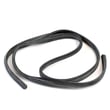
- Keep the door sealing surfaces clean to help prevent leaks
| If your GDT630PYM6FS is... | Usually makes sense to... |
|---|---|
| Under ~8 years old | Repair common wear items (seals, pumps, valves) |
| 8 to 12 years old | Compare repair cost vs. overall condition |
| Over ~12 years old | Replace if multiple major issues stack up |
A dishwasher near the end of its expected lifespan is more likely to develop wash, drain, or leak problems. Staying on top of cleaning and fixing small issues early helps protect major components like the wash pump, drain pump, and heating system.
Last updated: January 2026
Can a clogged drain cause an FTD error?
Yes. On the GE GDT630PYM6FS dishwasher, an FTD (fail to drain) condition commonly happens when the drain path is restricted, so the drain pump cannot push water out of the tub. Clearing the blockage in the air gap, disposer connection, filter, or drain hose typically restores normal draining.
- Cancel the cycle and wait for the drain portion to run.
- Check for standing water in the bottom of the tub.
- Clean the air gap (if your installation has one).
- Run the garbage disposer (if the dishwasher drains into it).
- Make sure the sink drains normally; a slow sink often points to a shared clog.
For model-specific care and cleaning steps, follow the GDT630PYM6FS owner’s manual.
A clog can be anywhere water exits the tub. These are the most common:
- Ultra-fine filter area: food debris blocks flow before the pump.
- Air gap: buildup under the cap can stop draining.
- Disposer inlet: a blocked port or knockout plug issue restricts flow.
- Drain hose: kinks, grease, or debris reduce flow.
- Pump/impeller area: debris can jam the drain pump.
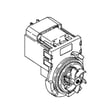
If you suspect a damaged or weak pump after clearing clogs, the model uses the dishwasher drain pump WD19X25461.
Improper drain routing can mimic a clog.
| Setup item | What “good” looks like | What causes FTD symptoms |
|---|---|---|
| High drain loop | Hose rises up under the counter | Low loop lets water backflow |
| Air gap (if used) | Cap and passage are clear | Clogged air gap blocks drain |
Use the GDT630PYM6FS installation guide to confirm the correct high loop or air gap configuration.
When water cannot drain, the dishwasher can stop mid-cycle, leave dirty water in the tub, and prevent proper washing and drying. Fixing the restriction protects the drain pump and gets cycles back to normal.
Last updated: January 2026
What is GE's best dishwasher?
GE’s “best” dishwasher depends on what you value most (quietness, drying, smart features, or price). For many homes, GE Profile models are the best all-around choice; for value, standard GE models deliver solid cleaning; for premium design and ultra-quiet operation, GE Café is the top tier. For feature details and cycle options similar to your GE GDT630PYM6FS, use the GDT630PYM6FS owner's manual.
We match the “best” model to your priorities, then confirm the features you will actually use.
- Best overall for most families: GE Profile (strong cleaning, strong drying, more feature depth)
- Best value: Standard GE (reliable core wash system, fewer premium extras)
- Best premium experience: GE Café (design-forward finishes, very quiet options)
- Best for troubleshooting and ownership: Choose a model with clear diagnostics and support content like GE electronic dishwasher error codes
Use this list when comparing GE, GE Profile, and GE Café dishwashers.
- Noise rating (dBA) if your kitchen is open-concept
- Drying system and whether you routinely wash plastics
- Rack layout (third rack, adjustable tines, bottle jets)
- Cycle selection and options (heavy, normal, 1-hour, sanitize, heated dry)
- Soil handling (filter vs hard-food disposer style)
- Controls (top control vs front control, smart connectivity)
| Line | Best for | Typical tradeoff |
|---|---|---|
| GE (standard) | Budget-friendly reliability | Fewer premium drying and rack features |
| GE Profile | Best overall balance | Higher price than standard GE |
| GE Café | Premium look and quiet performance | Highest cost; features vary by model |
A dishwasher can clean well but still disappoint if it is loud, leaves plastics wet, or does not fit your loading style. Picking the “best” GE dishwasher means choosing the best fit for your kitchen and habits, then using the right cycle, detergent, and rinse aid for consistent results.
Last updated: January 2026
What is the most common problem with GE dishwashers?
The most common problems we see with GE dishwashers (including model GDT630PYM6FS) are draining problems, not starting, and poor cleaning or drying. These issues usually trace back to a clogged drain path, a door that is not fully latched, or wash system problems such as spray arm blockage.
- Not draining: Check the filter area for food debris, then confirm the drain hose is not kinked or clogged.
- Won’t start: Make sure the door closes firmly; a failing latch can prevent operation.
- Poor cleaning: Confirm spray arms spin freely and are not blocked by tall dishes.
- Suds in the tub: Using the wrong detergent can cause sudsing and poor wash performance.
- White film or spots: Hard water minerals and low rinse aid use are common causes.
Start with these simple checks before replacing parts:
- Reset power at the breaker for 1 minute, then try a normal cycle.
- Verify the dishwasher is getting power (some installs use a wall switch near the disposer).
- Use only automatic dishwasher detergent (never hand dish soap).
- Avoid blocking the detergent dispenser with large dishware.
- If water is extremely hot entering the dishwasher, lower the water heater setting (etching can occur above about 150°F).
If basic checks do not fix the problem, these model-matched parts are common suspects:
| Symptom | Common part to inspect | What it affects |
|---|---|---|
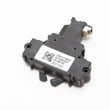
| Won’t start or stops mid-cycle | GE dishwasher door latch lock WD21X10490 | Confirms the door is closed so the control will run |
| Not draining | Dishwasher drain pump WD19X25461 | Pumps water out through the drain hose |
| Not filling or fills slowly | Water valve assembly WD15X27703 | Controls water entering the dishwasher |
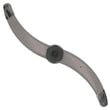
| Poor cleaning | Dishwasher spray arm, lower WD22X33499 | Delivers wash water to the lower rack |
Drain clogs, latch problems, and spray issues can make the dishwasher appear “dead” or leave dishes dirty even though the unit runs. Catching the root cause early helps prevent repeat cycle failures, odors from standing water, and unnecessary part replacement.
For model-specific operating and troubleshooting guidance, use the GDT630PYM6FS owner's manual. For installation-related causes (drain routing, power connection, future service access), use the GDT630PYM6FS installation guide.
Last updated: January 2026





